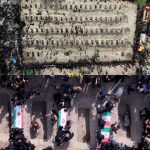
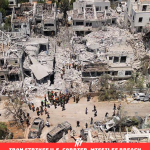
Report Reveals Scale of Iranian Missile and Drone Attacks on U.S. Bases Across the Middle East
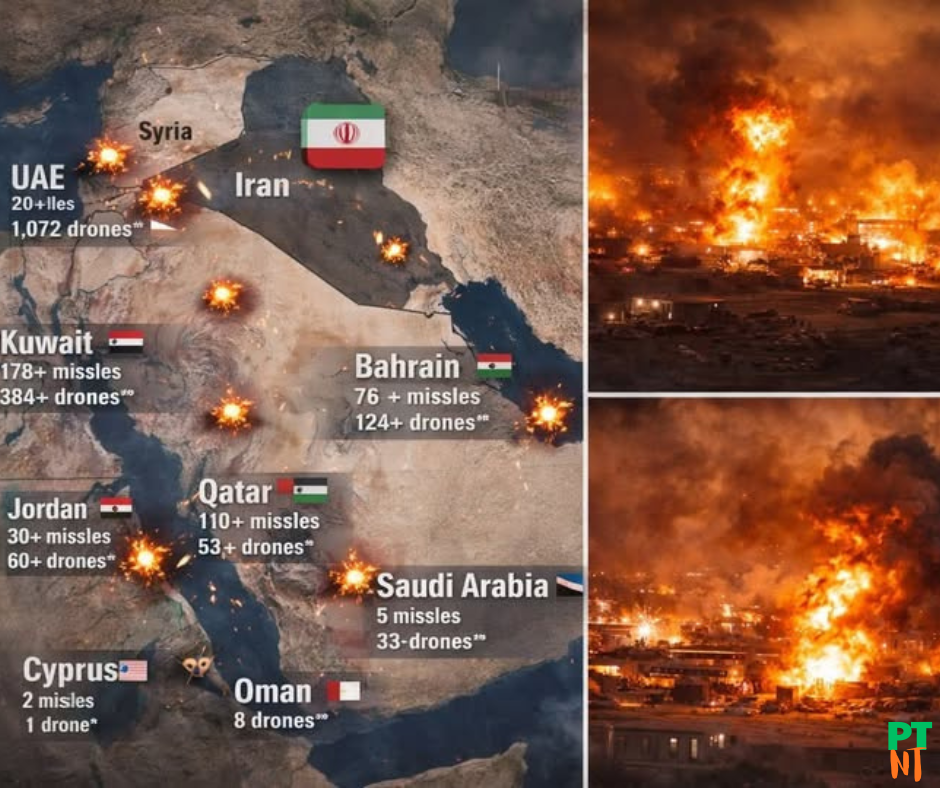


According to the report, the United Arab Emirates experienced the largest volume of attacks, with approximately 204 missiles and 1,072 unmanned aerial vehicles (UAVs) directed toward U.S. military positions. Kuwait recorded the second-highest level of activity, with more than 178 missiles and over 384 drones reportedly launched.
Other countries hosting American military infrastructure also experienced strikes. Bahrain reported 76 missiles and 124 drones, while Qatar faced 110 missiles and 53 drones. In Jordan, the report counted more than 30 missiles and over 60 drones targeting installations linked to U.S. forces.
Smaller numbers of aerial attacks were documented elsewhere. Saudi Arabia reportedly saw five missiles and 33 drones, while Iraq registered more than 12 drones. Oman recorded eight drones, and Cyprus experienced two missiles and one drone associated with the broader campaign.
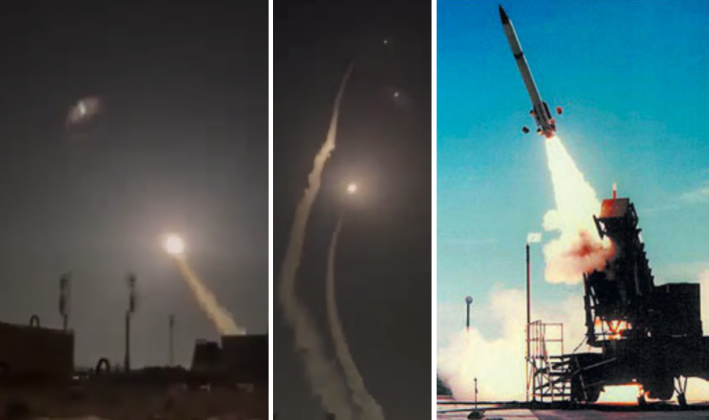
Analysts say the data highlights the increasing role of long-range missiles and unmanned aerial systems in modern warfare. Compared with traditional military operations, these technologies allow strikes to be conducted across vast distances while reducing direct risk to personnel.
Security experts warn that the geographic spread of the attacks illustrates the fragile security environment in the Middle East. With multiple countries hosting U.S. forces and strategic infrastructure, even limited escalations can quickly affect a wide area.
As regional tensions continue to rise, governments across the Middle East are reinforcing air defense systems and monitoring developments closely to prevent further escalation.