Iran’s Shahed VS US Missiles: What’s Winning The Aerial War – $20,000 Drones Or This $4 MN Weapon?hl
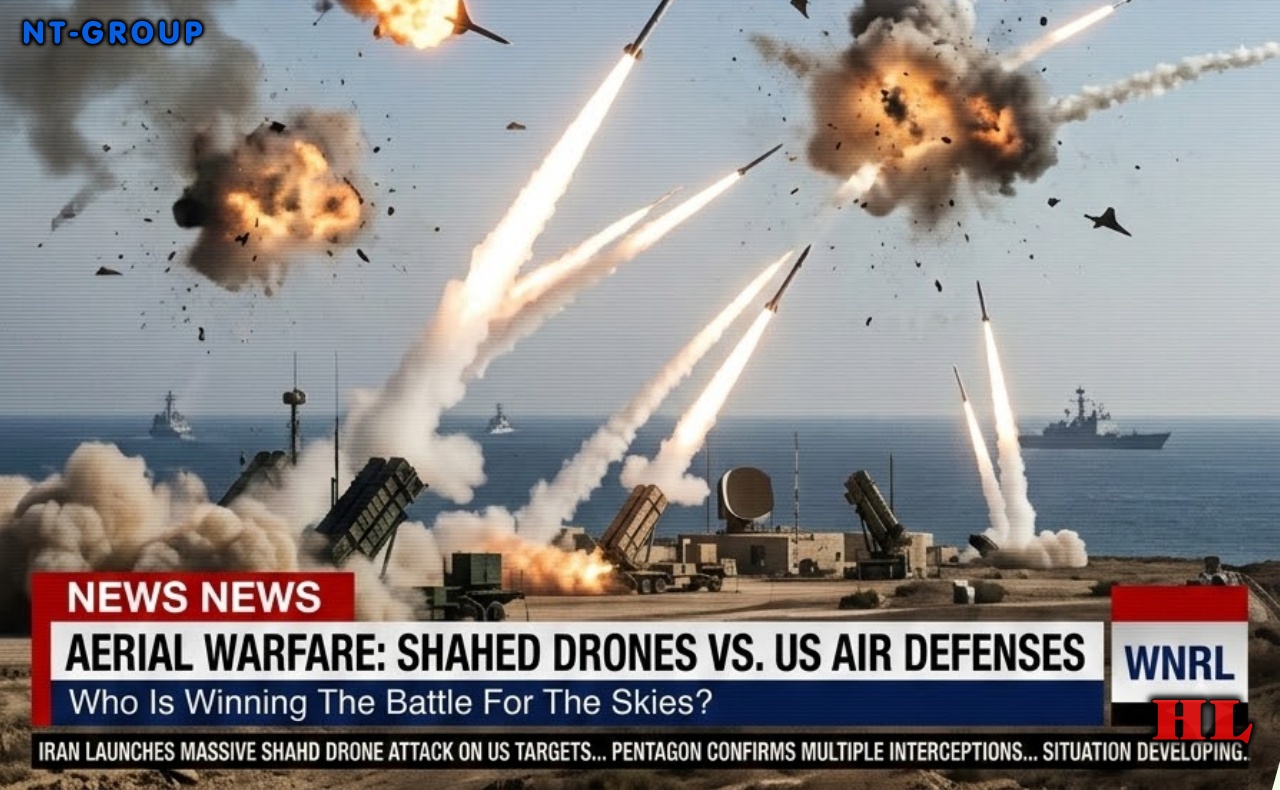
In the new Middle Eastern air war, the most telling battle isn’t always visible on radar—it’s on the balance sheet. Iran’s Shahed “kamikaze” drones, often priced at around $20,000 a unit, are being pitted against US‑made interceptor missiles that can cost up to $4 million each.
Every time a low‑flying Shahed buzzes toward a fuel depot, radar site or power plant, commanders face a brutal calculation: spend a multi‑million‑dollar shot to stop a bargain‑basement drone—or risk flames on the ground and shockwaves on social media. For Iran and its proxies, that’s the point. Swarm attacks are designed to saturate defenses, drain interceptor stockpiles and force Washington and its partners into an unsustainable war of attrition.
US officials argue the math isn’t so simple. One successful strike on an air base, a refinery or a busy civilian airport can cause hundreds of millions in damage, far outweighing the price of a single interceptor. Behind closed doors, however, planners admit they are racing to field cheaper drones, lasers and electronic warfare to break the Shahed’s cost advantage.
On paper, the $4 million missile “wins” every duel it intercepts. But in the broader contest of budgets, politics and public opinion, Iran’s $20,000 drone is punching far above its weight—forcing the world’s most advanced militaries to rethink how much air defense they can afford.