Göbekli Tepe, Turkey: Could This Be the World’s First Temple?
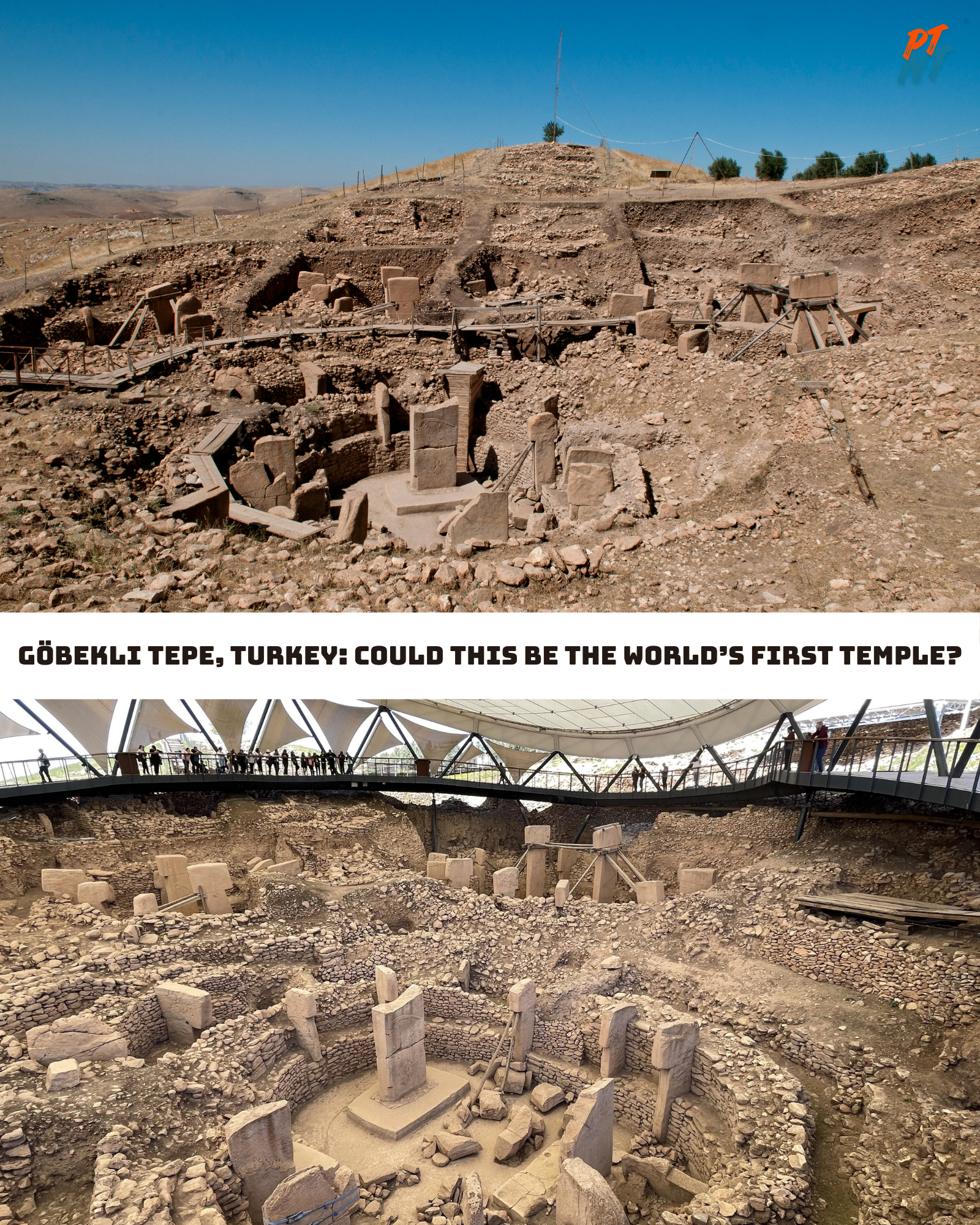
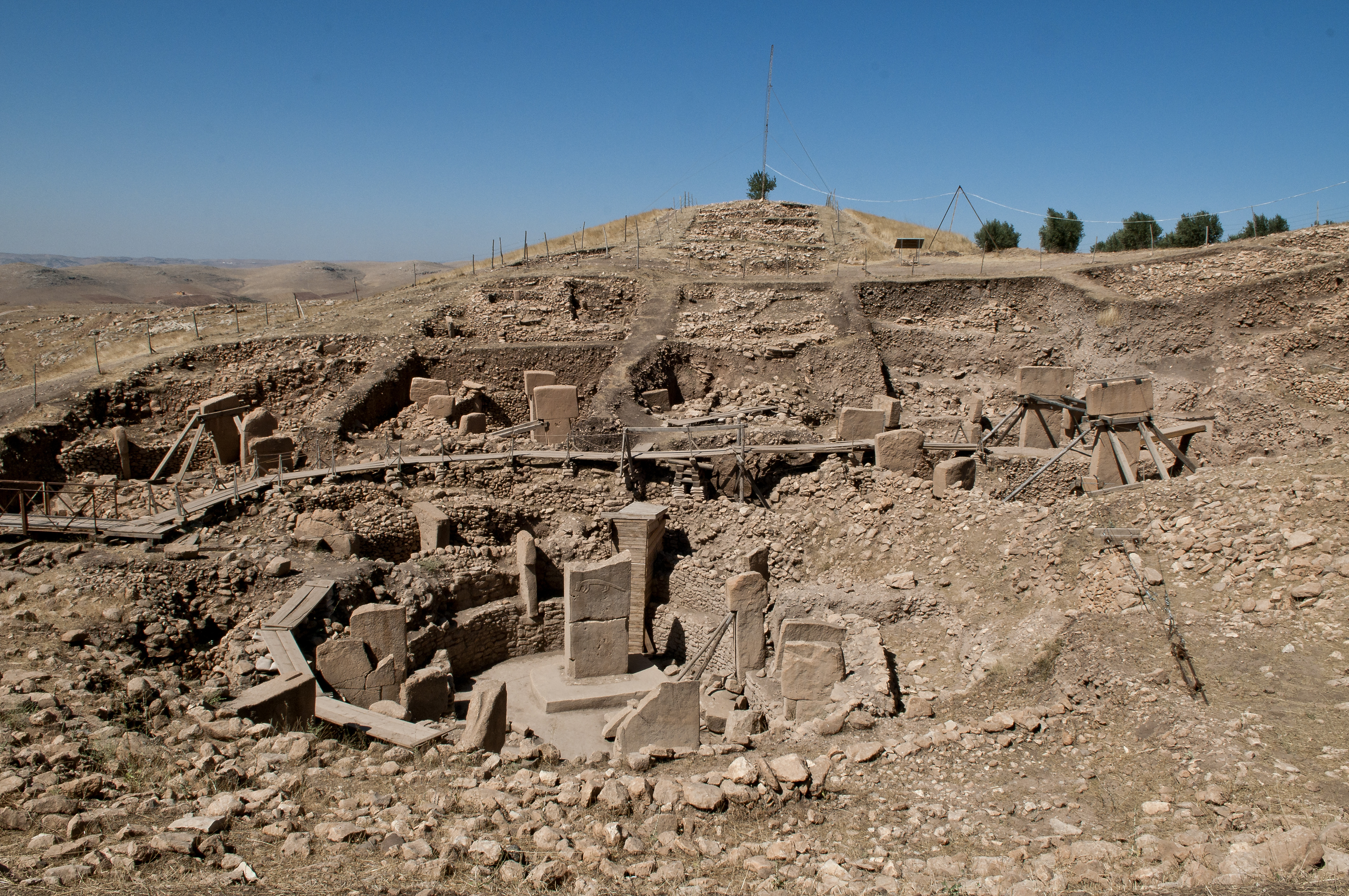
Discovered in the 1990s near the city of Şanlıurfa, Göbekli Tepe has stunned archaeologists with its age and complexity. Researchers estimate the site dates back nearly 12,000 years, placing it thousands of years before many of the world’s most famous ancient monuments.
If these estimates are correct, Göbekli Tepe predates Stonehenge in England by around 6,000 years and the Great Pyramid of Giza in Egypt by approximately 7,500 years.
The site features massive T-shaped stone pillars, some reaching more than five meters tall and weighing several tons. Many of these pillars are carved with detailed reliefs of animals such as lions, snakes, foxes, and birds. The structures appear to form circular enclosures, suggesting that the site may have served as a place for rituals or religious gatherings.
What makes Göbekli Tepe even more puzzling is that it was built by hunter-gatherers, long before the development of agriculture or large permanent settlements. This challenges the long-held belief that organized religion only emerged after humans formed complex agricultural societies.
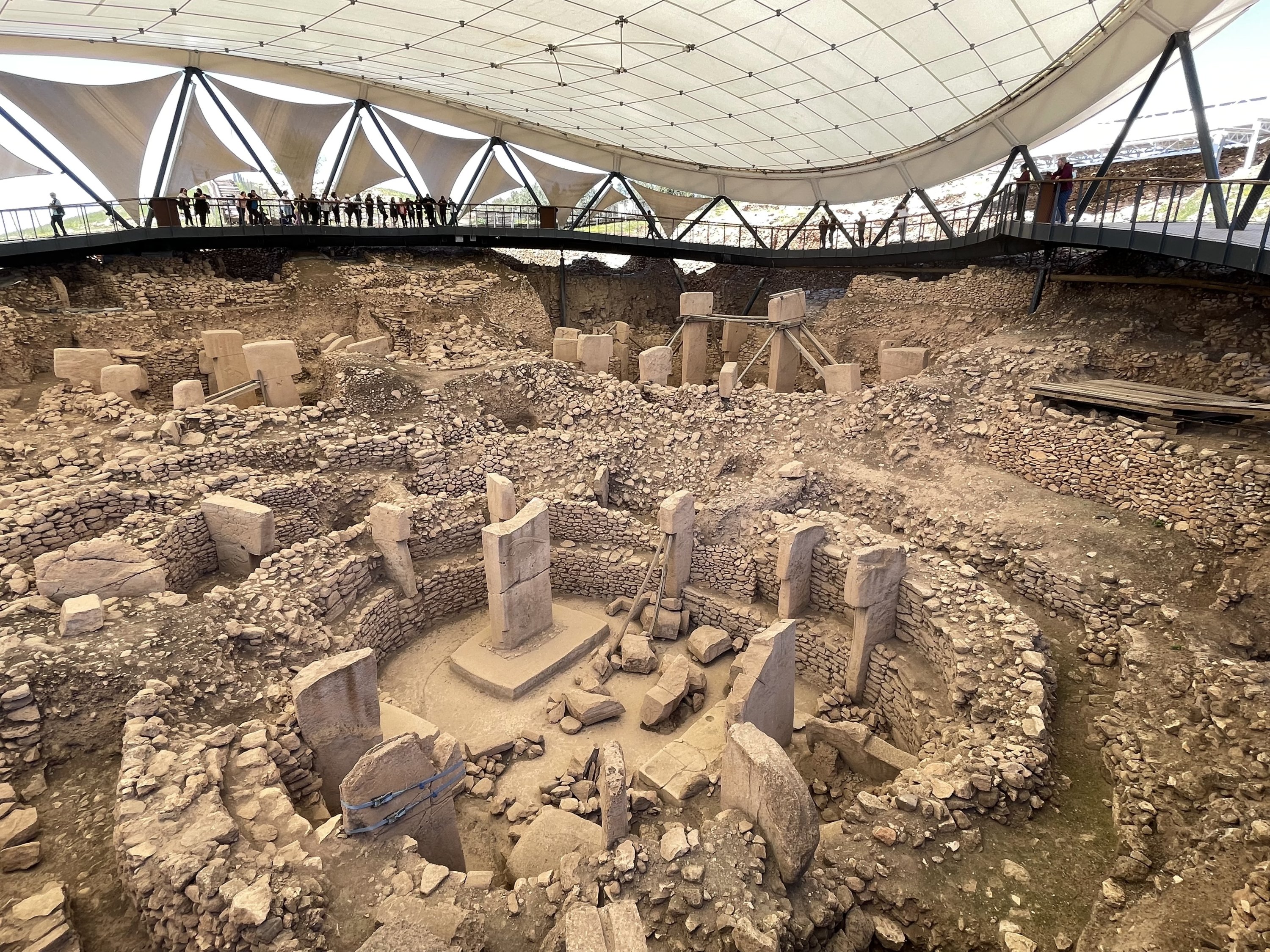
Instead, some scholars believe the opposite may be true: religion may have helped bring people together, encouraging early communities to settle and eventually develop agriculture.
Because of its extraordinary age and significance, Göbekli Tepe is often described as a discovery that could rewrite the early chapters of human civilization. Even today, only a small portion of the site has been excavated, meaning many secrets may still lie buried beneath the earth.
For archaeologists, Göbekli Tepe remains one of the most fascinating mysteries of the ancient world.