Strait of Hormuz Tensions Raise Fears of Global Energy and Food Supply Shock
- ManhAn
- March 5, 2026
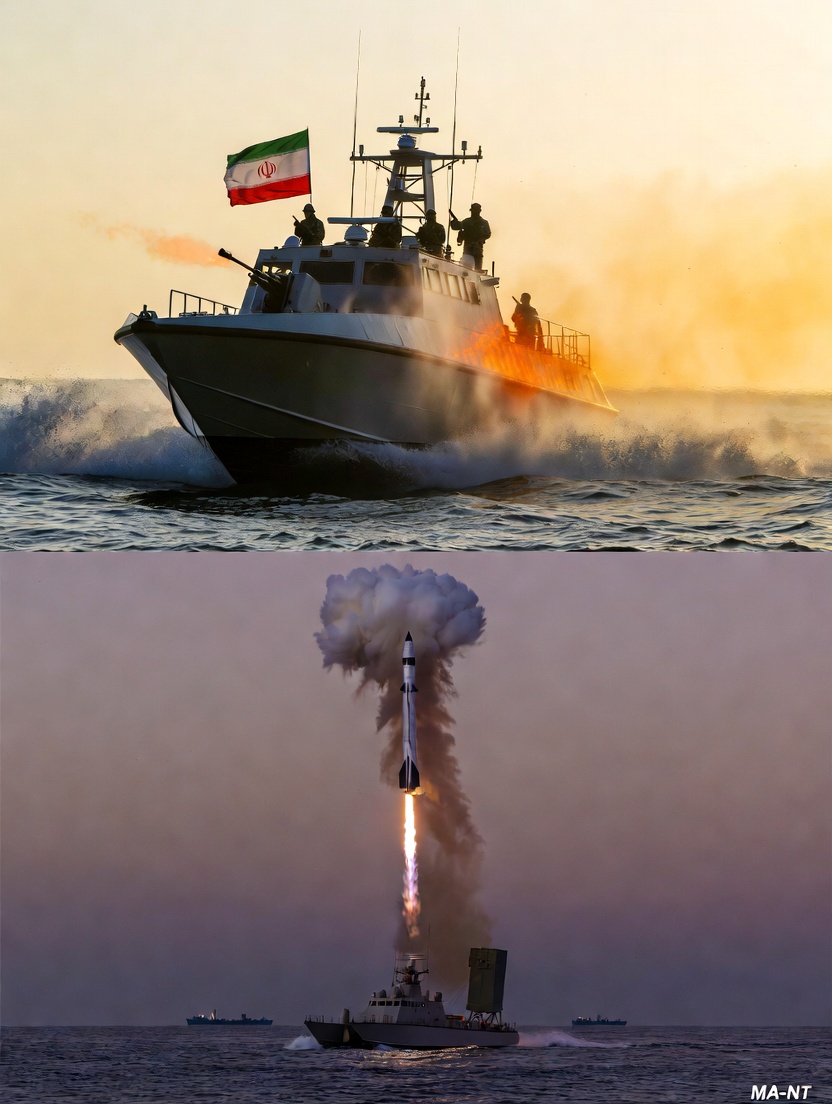
Strait of Hormuz Tensions Raise Fears of Global Energy and Food Supply Shock
Rising tensions around the Strait of Hormuz have sparked warnings of potential global economic disruption, with energy and agricultural markets closely watching developments. The narrow maritime corridor, situated between Iran and Oman, is one of the world’s most critical shipping chokepoints, handling a significant share of global oil and liquefied natural gas (LNG) exports.

Reports circulating in regional media claim that shipping traffic has been disrupted, with dozens of vessels delayed or rerouted. Energy analysts warn that any prolonged interruption could tighten global oil and gas supplies, pushing prices higher and increasing volatility in international markets.
Beyond energy, attention has turned to fertilizer supply chains. Russia has reportedly cautioned that restricted transit through the waterway could affect shipments of key agricultural inputs such as sulfur, urea, and ammonia. These materials are essential to global food production, and disruptions could raise input costs for farmers worldwide, potentially translating into higher grocery prices for consumers.
Market observers note that fertilizer trade is already sensitive to geopolitical tensions and export controls. A sustained blockade or security crisis in the Gulf region could amplify existing supply pressures, particularly for countries heavily dependent on imports.
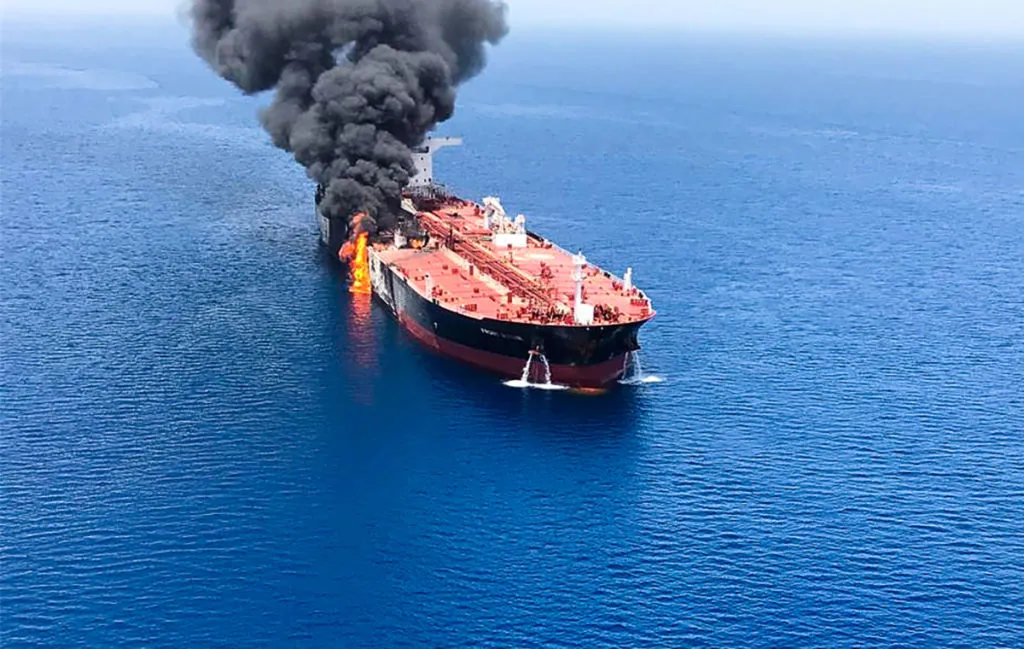
Diplomatic efforts are ongoing as governments seek to prevent further escalation. Economists emphasize that while short-term disruptions can often be managed through alternative routes and reserves, a prolonged closure of the Strait would carry broader consequences for global trade, energy security, and food supply stability.