U.S. and Israel Launch Coordinated Multi-Front Campaign as Conflict With Iran Expands
- ManhAn
- March 4, 2026
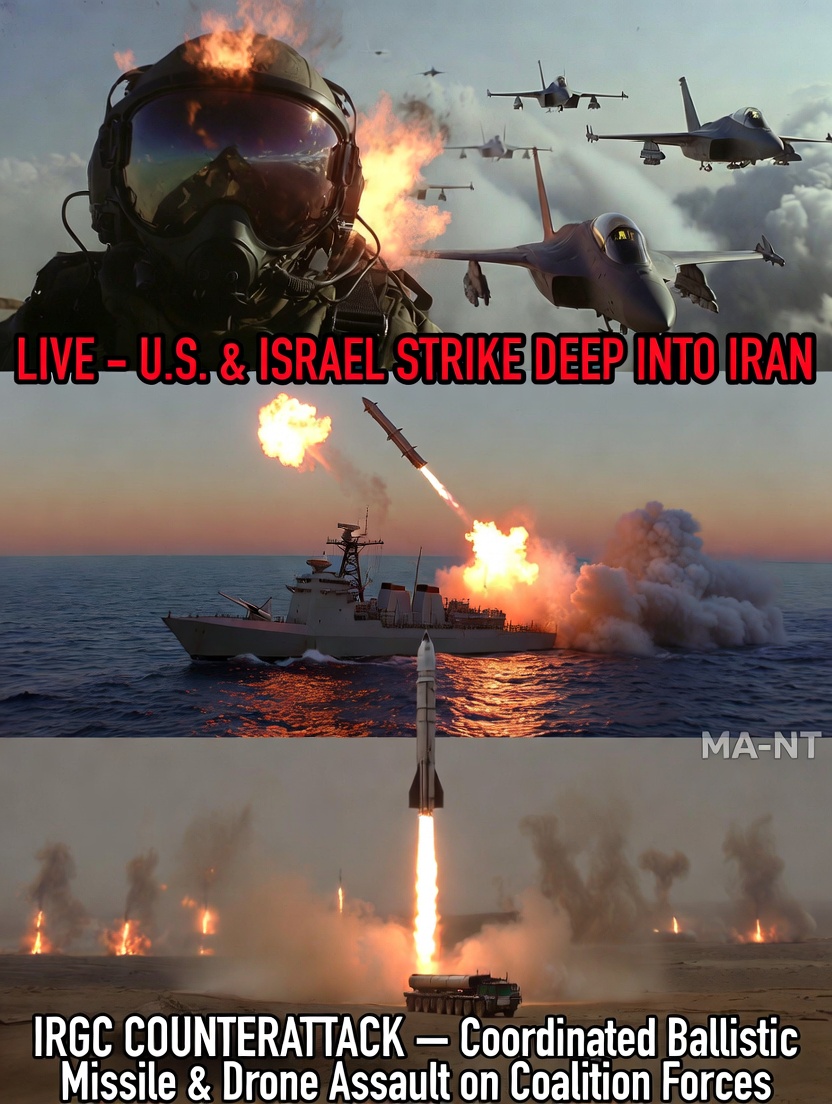
U.S. and Israel Launch Coordinated Multi-Front Campaign as Conflict With Iran Expands
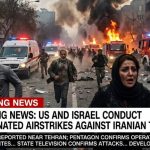
Gulf Region / Tehran / Jerusalem — The confrontation with Iran has escalated into a broad regional conflict, as the United States and Israel initiate coordinated operations across air, sea and land domains, while Tehran responds with missile barrages, drone swarms and proxy attacks stretching from the Mediterranean to the Gulf.
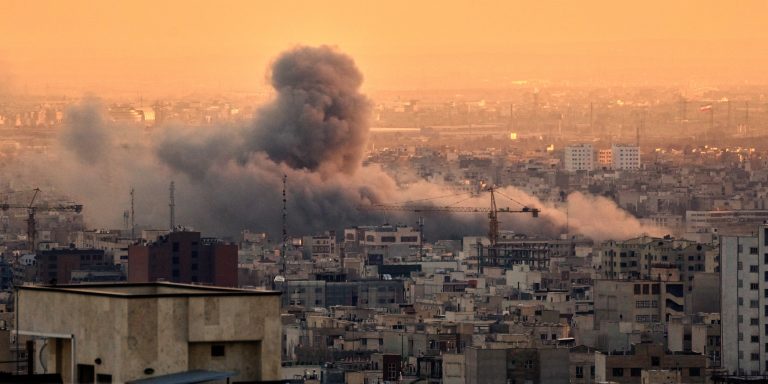
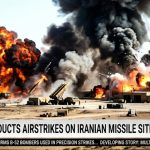
U.S. and Israeli forces are conducting sustained strike missions from aircraft carriers in the Arabian Sea and from military airbases across the Middle East. According to defense sources, the joint campaign targets key Iranian military infrastructure, including Revolutionary Guard command centers, missile brigades, drone production and launch facilities, and integrated air-defense networks near Tehran, Isfahan, Shiraz and along the strategic Strait of Hormuz.

Naval assets are also playing a central role. Cruise missiles launched from submarines and guided-missile destroyers are striking coastal radar installations and naval bases, aiming to degrade Iran’s surveillance capabilities and open corridors for expanded air operations. Ground elements are reportedly involved in supporting intelligence, targeting and force protection missions, though details remain limited.
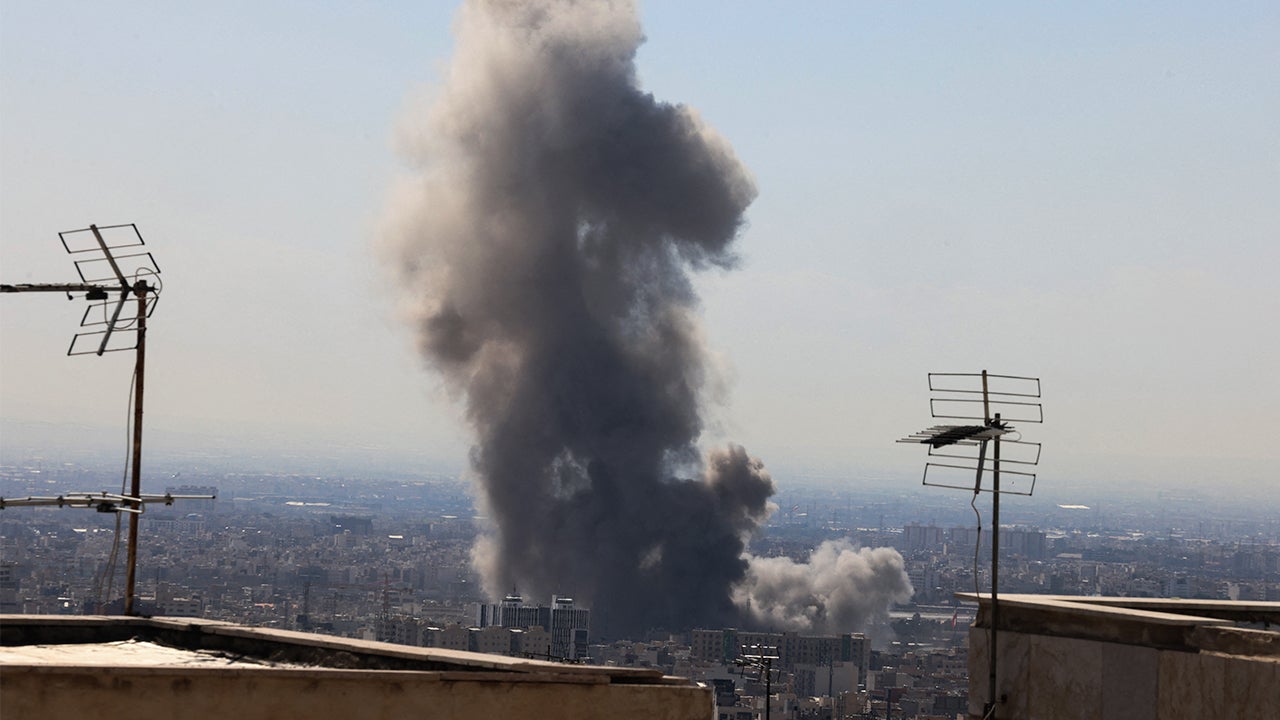
In response, Iran has intensified its retaliatory actions, launching waves of ballistic missiles and deploying drone formations toward military targets while activating allied proxy groups across multiple fronts in the region. The exchanges have heightened fears of a prolonged and widening war with significant implications for regional stability and global energy routes.
While official casualty and damage assessments remain incomplete, the scale and coordination of operations on both sides signal a dangerous new phase in the conflict, with no immediate signs of de-escalation.