Why Scientists Fear Opening the Tomb of Qin Shi Huang
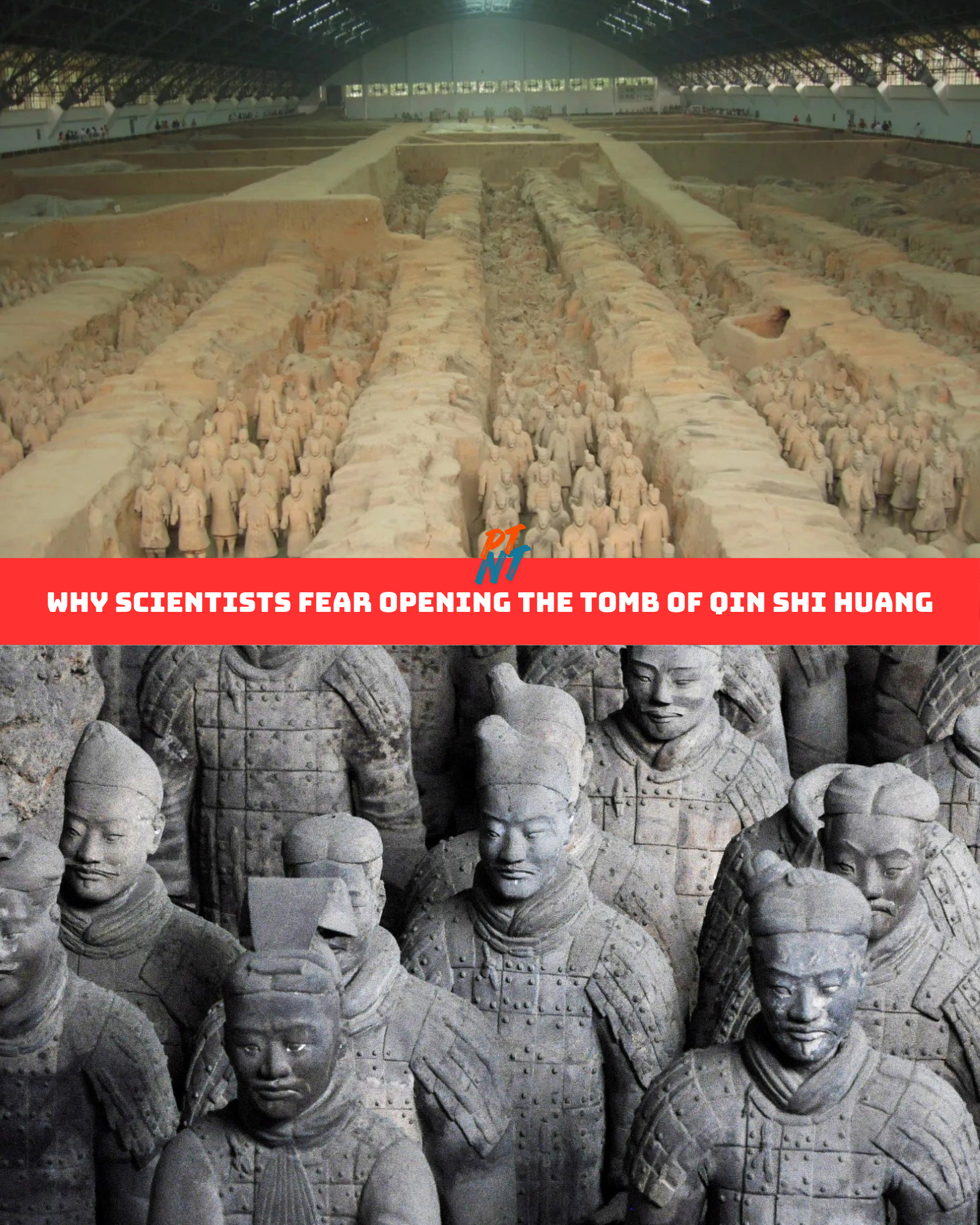

Ancient records written by historian Sima Qian describe a tomb filled with deadly traps, including automatic crossbows designed to fire at intruders. While these accounts have yet to be fully verified, researchers cannot rule out the possibility that hidden mechanisms still exist within the sealed chamber.
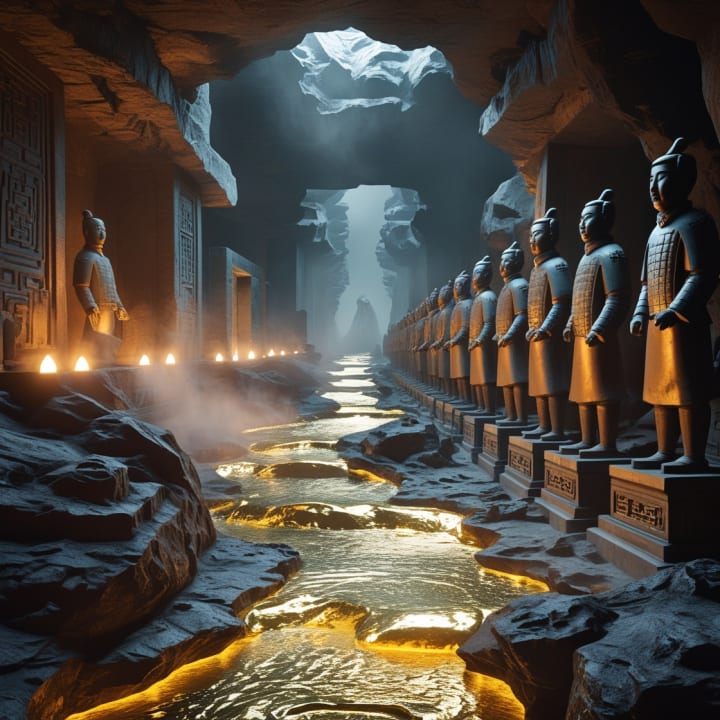
Even more concerning is the presence of extremely high mercury levels detected in the soil above the tomb. According to historical texts, rivers of mercury were used to simulate China’s waterways inside the burial complex. Modern surveys appear to support this claim, raising fears that opening the tomb could release toxic vapors dangerous to both humans and the surrounding environment.
Beyond physical dangers, there is a major scientific dilemma: preservation. Past excavations, including the famous Terracotta Army, revealed how fragile ancient artifacts can be. Many painted surfaces deteriorated rapidly upon exposure to air. Experts worry that opening the tomb prematurely could destroy priceless relics before they can be properly studied.
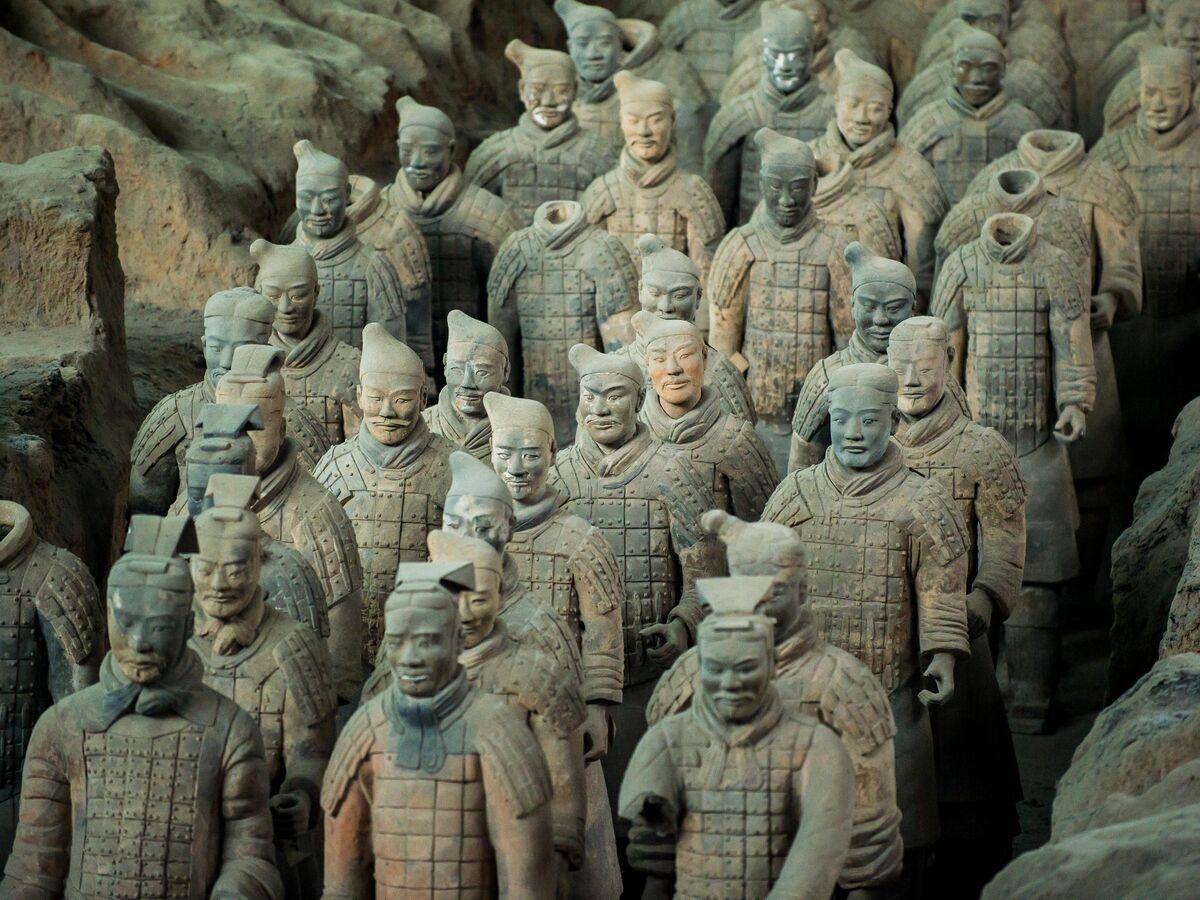
Today, most archaeologists agree on a cautious approach—waiting until technology advances enough to safely explore and preserve everything inside. Until then, the tomb of Qin Shi Huang remains sealed, guarding secrets that have survived for over 2,200 years.