Is the U.S. Military Operation in Iran Legal Under International Law?
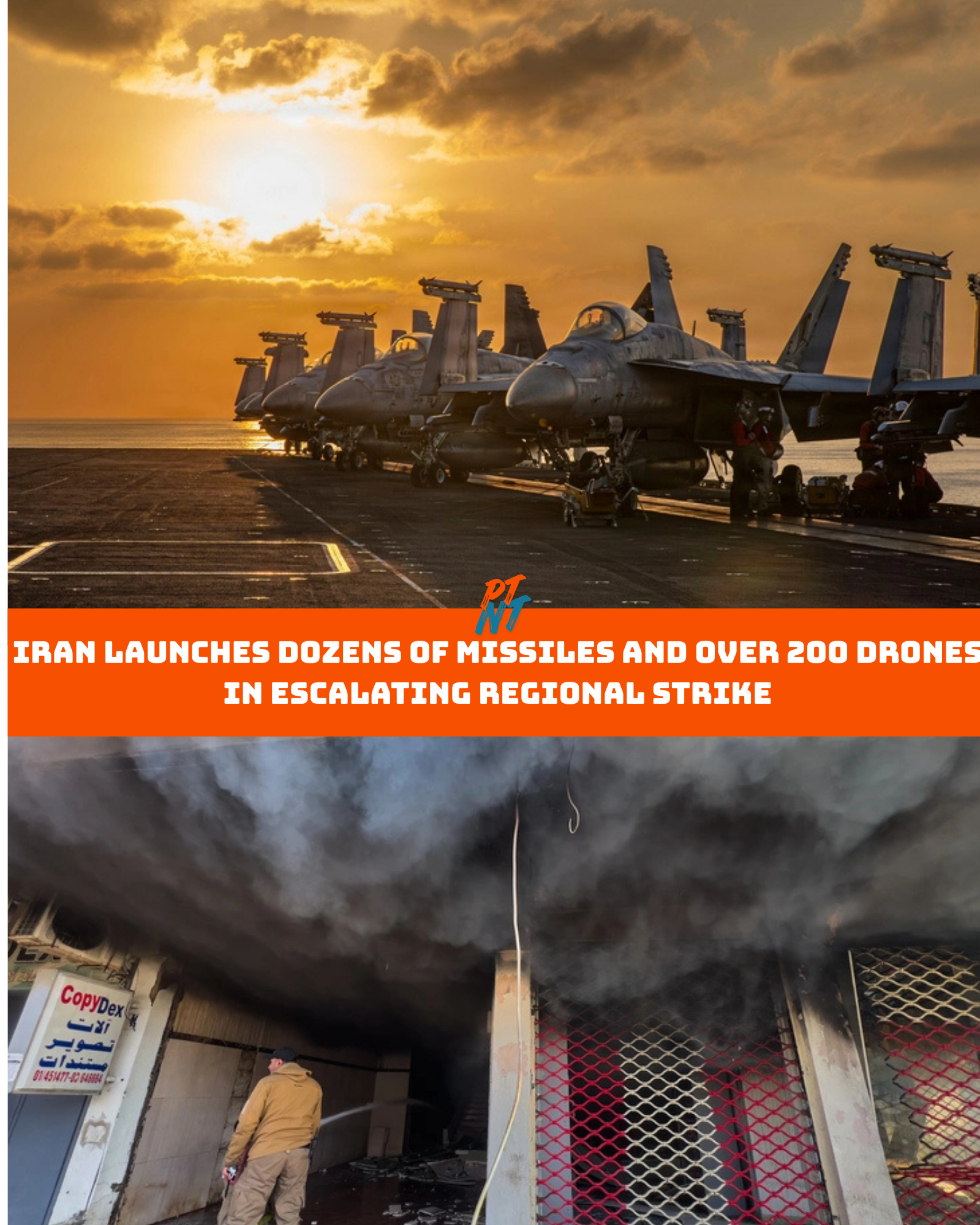
The legality of a potential U.S. military operation in Iran has become one of the most debated questions in global politics, as tensions in the Middle East continue to rise.
Under international law, the use of force between states is strictly limited. According to the United Nations Charter, military action is generally prohibited unless it falls under two narrow exceptions: authorization by the UN Security Council or the right to self-defense.
Legal experts emphasize that for self-defense to be justified, an “armed attack” must either have occurred or be imminent. Additionally, any response must meet the criteria of necessity and proportionality.
However, in the case of Iran, critics argue that these conditions may not be clearly satisfied. There has been no widely accepted evidence of an imminent large-scale attack that would justify immediate military intervention. Furthermore, no UN Security Council resolution has been issued to authorize such action.
Some analysts suggest that without these legal foundations, any large-scale strike risks being viewed as a violation of international law, particularly the prohibition on the use of force against another state’s sovereignty.
On the other hand, U.S. officials have historically defended military actions abroad as necessary to protect national security interests and prevent future threats—highlighting the gray areas that often define modern warfare.
As the situation evolves, the question remains unresolved: is this a legitimate act of self-defense—or a dangerous precedent that could reshape the rules of global conflict?