The Accidental Discovery of China’s Terracotta Army
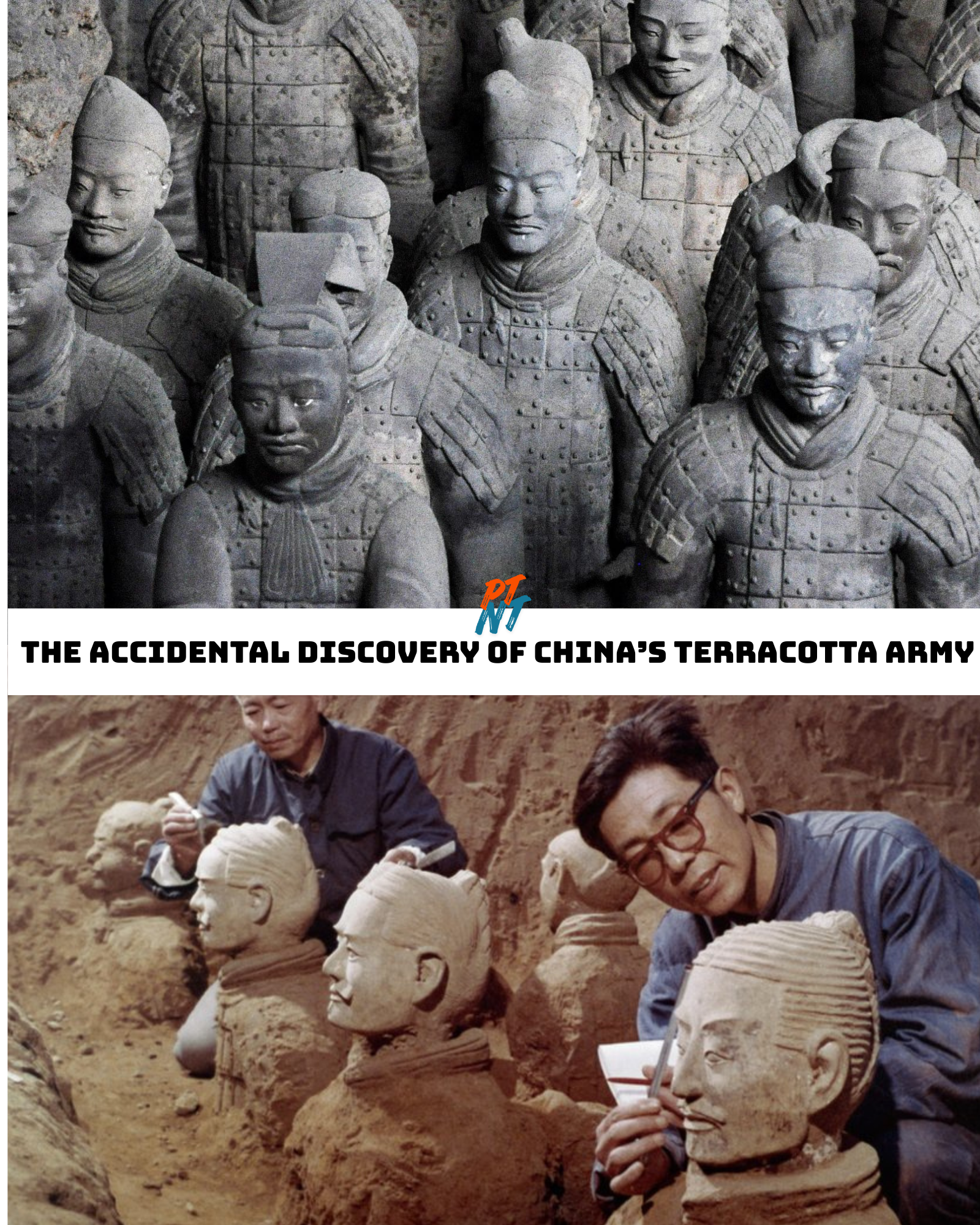
The site lies near Xi’an, close to the massive burial complex of Qin Shi Huang, the first emperor who unified China over 2,200 years ago. What began as a routine farming task quickly turned into a historic moment that would reshape global understanding of ancient Chinese civilization.
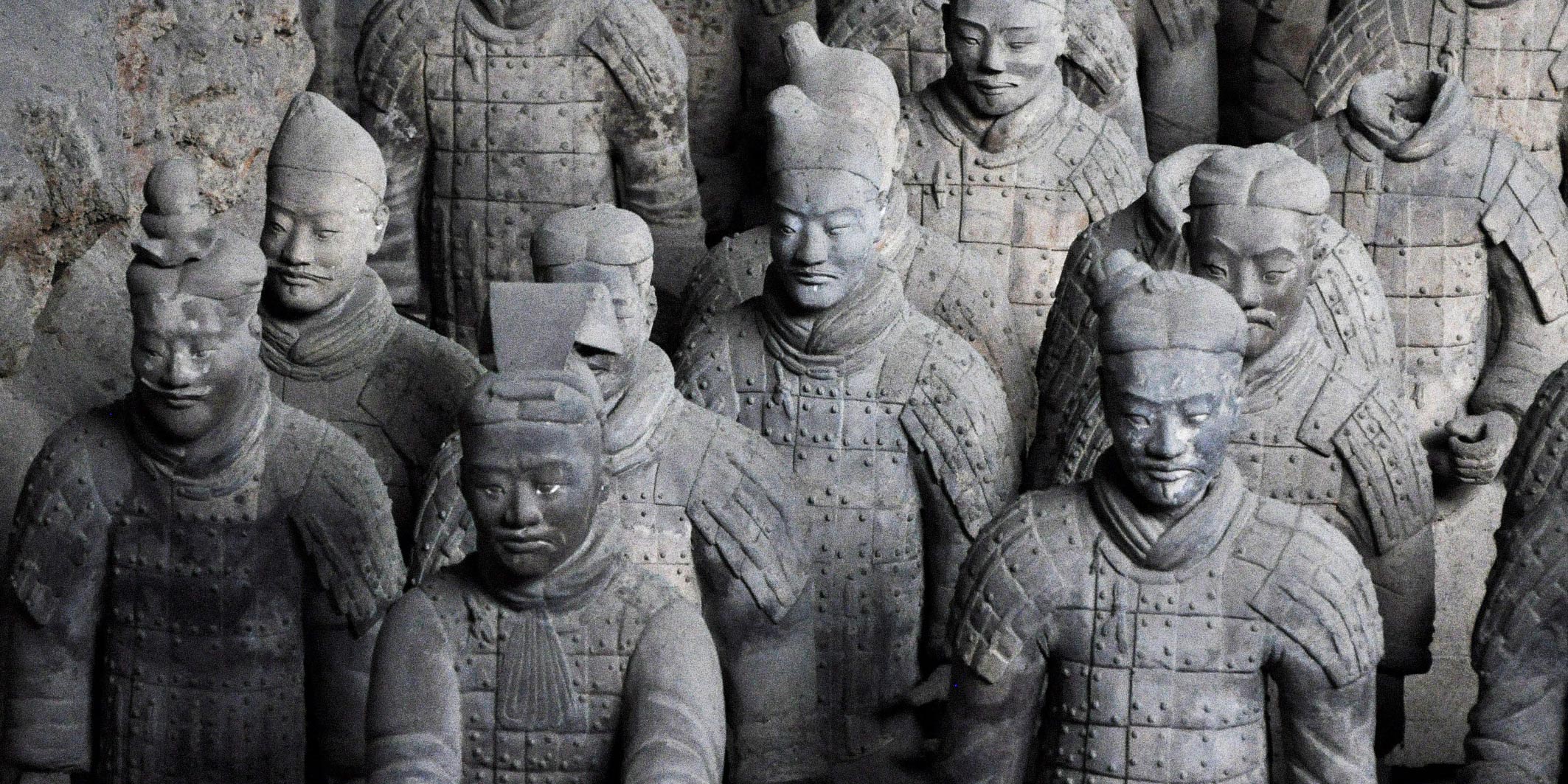
As the farmers dug deeper, they uncovered fragments of life-sized clay figures. Archaeologists were soon called to the scene, revealing an underground army of thousands of soldiers, horses, and chariots—each uniquely detailed. The figures were arranged in battle formation, believed to serve as guardians of the emperor in the afterlife.
Experts estimate that over 8,000 soldiers were crafted, along with hundreds of horses and war chariots. Each statue features distinct facial expressions, armor, and hairstyles, showcasing an extraordinary level of craftsmanship and organization.
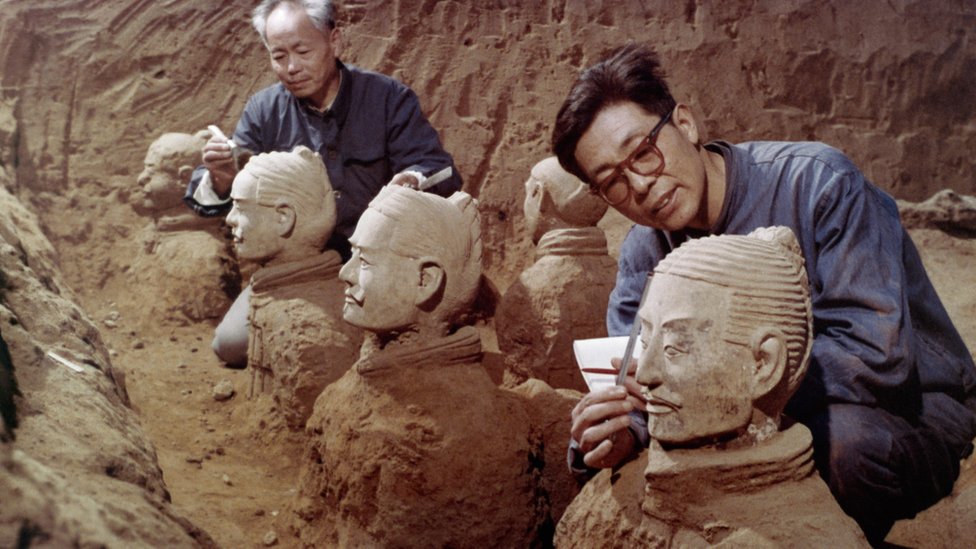
The Terracotta Army forms only part of a much larger mausoleum complex, much of which remains unexcavated. Historians believe the tomb itself may contain even greater treasures—and dangers, including ancient traps and high levels of mercury.
Today, the site is recognized as one of the greatest archaeological discoveries ever made and has been designated a UNESCO World Heritage Site. What started as a farmer’s simple act of digging a well ultimately revealed a silent army that had stood guard for millennia beneath the earth.