Olmec Stone Heads: A Discovery That Rewrote Ancient History

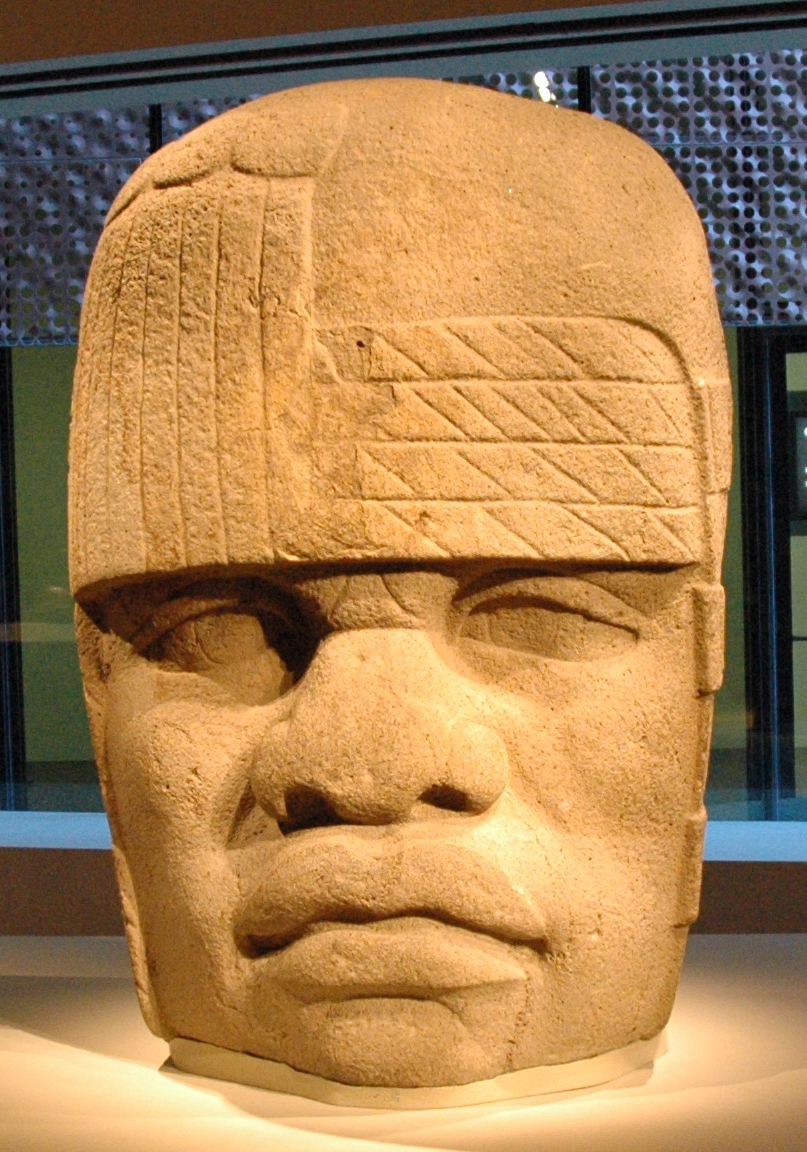
These massive sculptures—some weighing up to 20 tons—were uncovered at sites such as San Lorenzo Tenochtitlán and La Venta in present-day Mexico. Carved from basalt, a volcanic rock transported from distant mountains, the heads are believed to date back over 3,000 years.
Each head features distinct facial characteristics, suggesting they may represent individual rulers or elite figures rather than generic depictions. The figures appear to wear helmet-like headgear, leading some researchers to speculate about their connection to ritual ballgames or warfare.

The logistics behind their creation continue to puzzle experts. Without the use of metal tools or wheeled transport, the Olmec managed to carve and move these enormous stones across vast distances—an achievement that highlights their advanced engineering capabilities.
Often referred to as the “mother culture” of Mesoamerica, the Olmec laid the foundation for later civilizations such as the Maya and Aztec. The stone heads stand as powerful symbols of their artistic and political sophistication.

Decades after their discovery, these monumental sculptures continue to challenge assumptions about early American civilizations, offering a glimpse into a society far more complex than once imagined.