Iran ‘Revenge Attack’: Kuwait On Alert After Tehran’s 130+ Drone Barrage, Refinery, US Embassy Hit
Iran ‘Revenge Attack’: Kuwait On Alert After Tehran’s 130+ Drone Barrage, Refinery, US Embassy Hit
March 2026 – In a major escalation of regional tensions, Iran has launched a devastating series of drone strikes, marking what many are calling a “revenge attack” against the U.S. and its allies in the Middle East. The strikes, which targeted key strategic sites in Kuwait, have set off alarm bells across the Gulf region, as fears of further retaliation and conflict grow.
The Attack
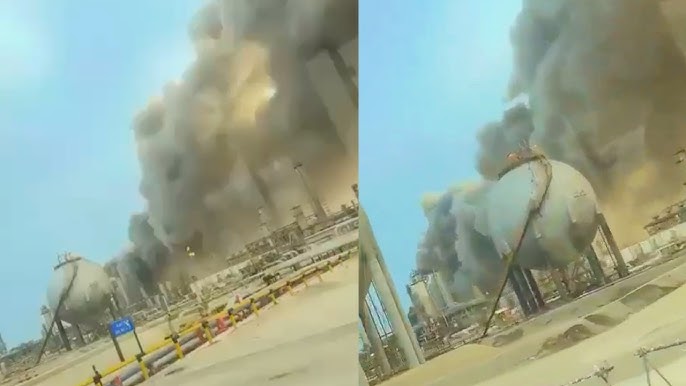
On the night of March 3rd, over 130 drones were launched from Iran, targeting high-profile sites in neighboring Kuwait, a crucial ally of the U.S. and a central hub for American military presence in the region. Among the struck locations were the massive oil refinery in the southern part of the country, the U.S. Embassy in Kuwait City, and military installations associated with American forces.
The refinery, a vital part of Kuwait’s energy infrastructure, suffered significant damage, with large fires erupting at the site and creating a massive black plume visible across the city. Kuwaiti authorities have confirmed casualties, though the exact toll remains unclear as rescue operations continue. Early estimates suggest that the economic impact of the attack could be catastrophic, disrupting oil exports and triggering widespread fuel shortages.
At the U.S. Embassy, multiple drone strikes hit the perimeter and adjacent compounds. Though reports suggest that the building itself remains standing, the drone assault sparked fires and caused structural damage, leaving diplomats and military personnel scrambling to secure the embassy. American officials have not confirmed any casualties but are treating the attack as a major security breach.
The Iranian Motive
Iran has not officially claimed responsibility for the attacks, but Tehran’s leaders have hinted at retaliation for perceived U.S. provocations in the region. The drone barrage comes amidst increasing Iranian frustration over U.S. involvement in Middle Eastern conflicts, especially in Syria and Iraq, as well as Washington’s backing of Israel in its ongoing tensions with Iran.
The Iranian government’s rhetoric has consistently portrayed the U.S. as the primary adversary in the region, accusing Washington of meddling in Iranian sovereignty and exacerbating regional instability. The drone attacks appear to be a direct response to a series of U.S.-led airstrikes on Iranian positions, which Iranian officials describe as violations of their territorial integrity.
Kuwait On High Alert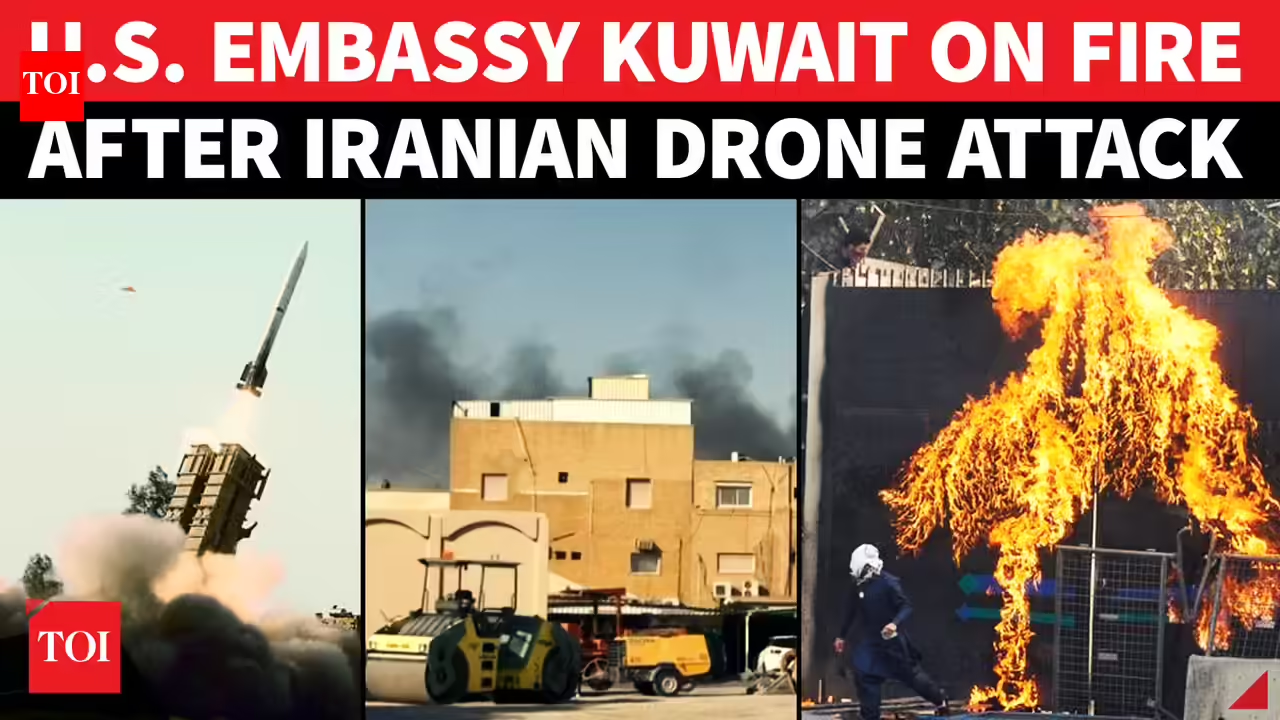
In the wake of the attacks, Kuwait has declared a state of heightened alert. Military and police forces are patrolling key infrastructure sites and border areas with Iraq and Saudi Arabia, fearing further attacks or a potential escalation in the coming days.
Kuwaiti Prime Minister Sheikh Ahmad Nawaf Al-Sabah condemned the attacks, calling them a “breach of sovereignty” and pledging to strengthen the nation’s defense capabilities. The country is also reportedly in talks with the U.S. and neighboring GCC states to enhance air defense systems, as the effectiveness of Kuwait’s current missile defense infrastructure has been questioned after the drone strike.
US Response
The United States has condemned the drone strikes as an “unprovoked and reckless act of aggression.” President Biden has pledged to “hold Iran accountable” for the attacks and reassured both Kuwait and regional allies of Washington’s commitment to security in the Gulf.
In response to the attack, U.S. forces have reportedly mobilized air and naval assets in the region, with additional missile defense systems being deployed to Kuwait and neighboring areas. Secretary of State Antony Blinken has called for an emergency UN Security Council meeting to discuss the incident, which many fear could spiral into a broader regional conflict.
Regional Fallout
The attacks on Kuwait represent a major escalation in the ongoing conflict between the U.S. and Iran, with fears that other countries in the region could be drawn into the conflict. Saudi Arabia, the UAE, and Bahrain have all expressed concern over the situation and are said to be coordinating with Western allies to ensure their own security.
The damage to Kuwaiti infrastructure, particularly the oil refinery, could have far-reaching consequences for global energy markets. With much of the world’s oil shipping passing through the Gulf, any disruption to Kuwait’s production could lead to significant price hikes and fuel shortages.
The Road Ahead
As tensions rise, both sides have continued to prepare for possible further action. Iran has indicated that this may be just the beginning of a series of retaliation strikes aimed at U.S. and regional assets. The international community remains on edge, watching for any signs of further escalation.
For now, Kuwait remains on high alert, and all eyes are on Tehran and Washington, as the region braces for what could be the next chapter in the ongoing conflict. The situation is rapidly evolving, with the possibility of more drone attacks or even military confrontations looming large.