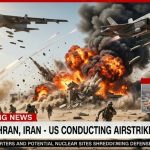
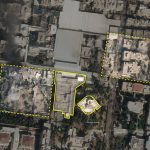
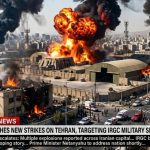
Middle East Tensions Escalate: Israel and Iran Announce Expanded Attacks, Trump Considers Ground Troops
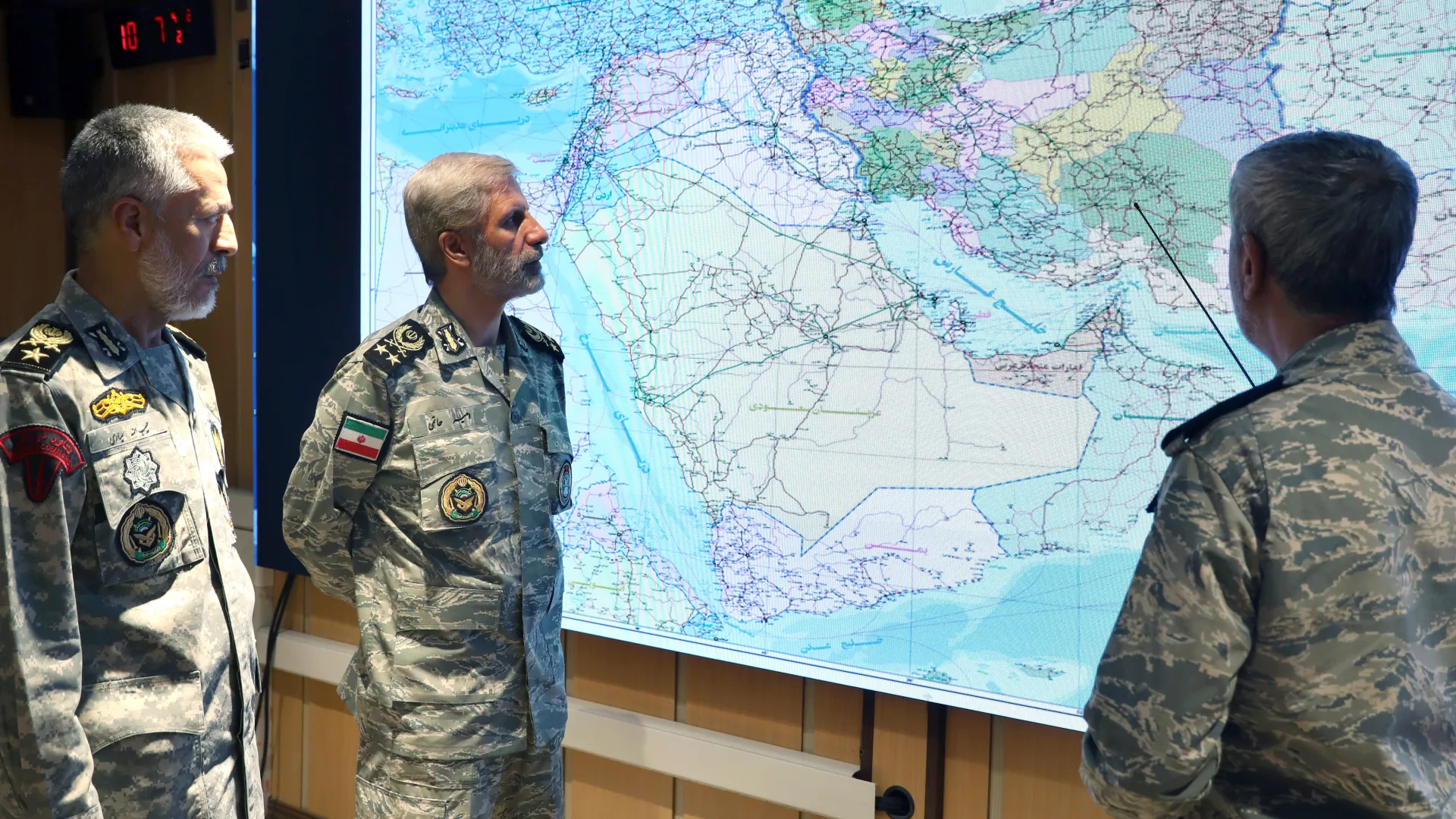
Middle East Tensions Escalate: Israel and Iran Announce Expanded Attacks, Trump Considers Ground Troops
A Dangerous Escalation in the Middle East
As tensions in the Middle East reach new heights, both Israel and Iran have announced that they will be expanding their military operations against each other. Israel has vowed to intensify its airstrikes and military interventions, while Iran has ramped up its missile and drone attacks. The conflict between the two nations, already marked by decades of hostilities, has now entered a more dangerous phase.
In an unprecedented move, former President Donald Trump has not ruled out the possibility of deploying U.S. ground troops to Iran, further heightening fears of an all-out regional war. While Trump’s statement has sparked a flurry of international concern, the geopolitical ramifications of such a decision could reshape the Middle East for years to come.
Israel’s Expanding Military Campaign
Israel has made it clear that it will continue to expand its military operations in Iran, citing its need to protect itself from what it views as an increasing existential threat from Iranian-backed forces in Syria, Lebanon, and other parts of the region. Israeli airstrikes have reportedly targeted Iranian military infrastructure and weapons storage facilities, while Israeli ground forces are said to be on high alert along the borders with Syria and Lebanon.
Israeli officials have stated that their primary goal is to dismantle Iran’s military infrastructure in the region, including its missile and drone capabilities, which have posed a growing threat to Israeli security. The Israeli Defense Forces (IDF) have warned that if Iranian aggression continues, they will not hesitate to take further steps, including direct action inside Iran.
Iran’s Retaliation: Escalating Attacks on Israel and U.S. Targets
On the other side, Iran has vowed to retaliate with expanded attacks against Israel, as well as U.S. military installations in the region. Iranian-backed groups have already carried out multiple attacks on Israeli targets in Syria, Iraq, and Lebanon, and Tehran has indicated that it will continue its campaign to undermine Israeli military operations.
Iran’s leadership has also threatened to target U.S. assets in the region if the U.S. continues to support Israel’s military actions. Iranian officials have made it clear that they will not back down in the face of what they view as Western interference in their sphere of influence.
In recent statements, Iran’s Supreme Leader Ali Khamenei has called for increased support for groups like Hezbollah and the Houthis, further complicating the already volatile situation.
Trump’s Ground Troops Statement: A Game-Changer?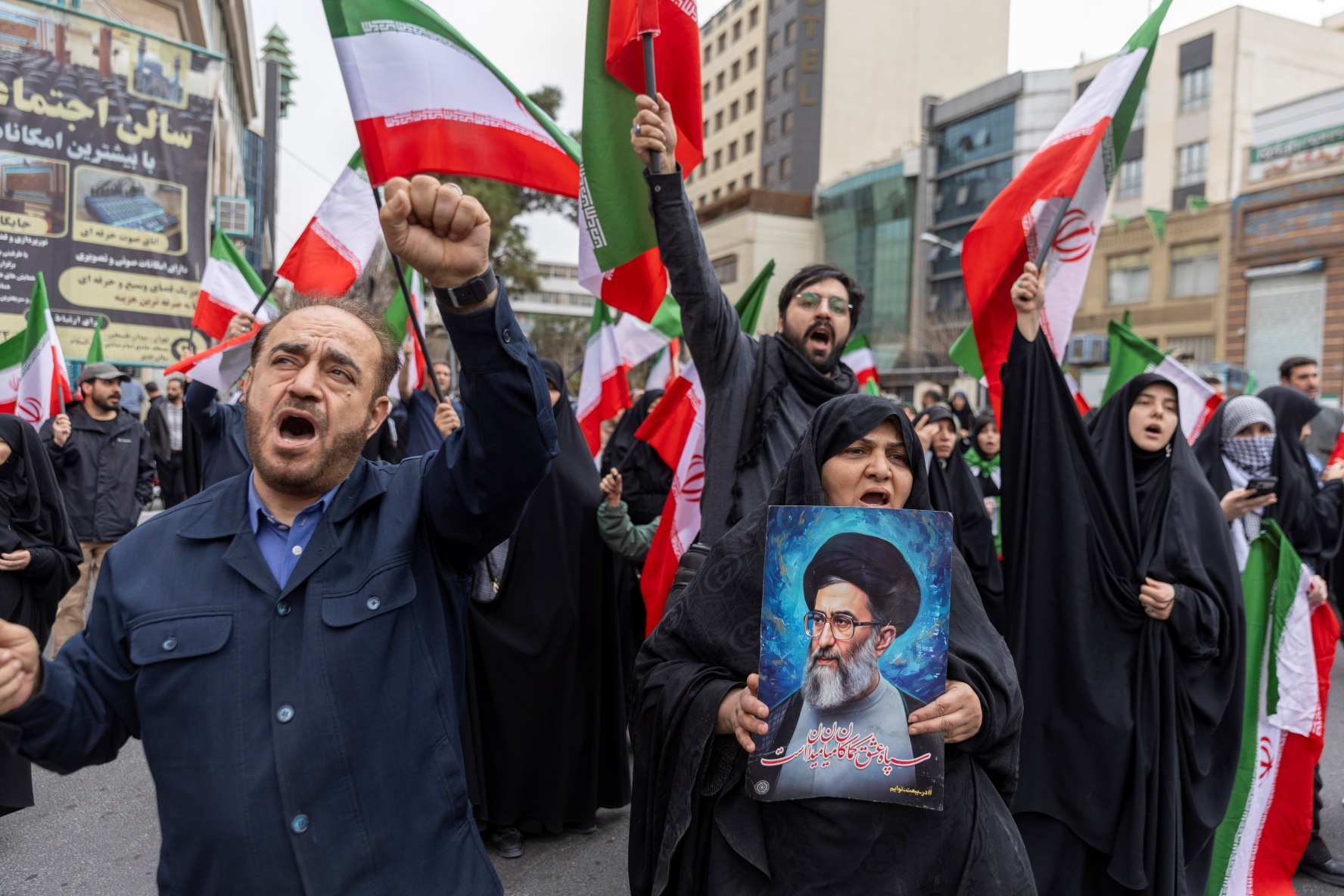
Amid this escalating conflict, former President Donald Trump’s comments about the possibility of deploying U.S. ground troops to Iran have sent shockwaves through international diplomatic channels. Although Trump has not explicitly confirmed whether this is a realistic option, his statement has raised the stakes in the Middle East, where U.S. troops are already stationed in several countries, including Iraq, Syria, and Kuwait.
The prospect of U.S. ground forces being deployed to Iran would mark a significant shift in American foreign policy. Since the early days of the Iraq War, the U.S. has sought to limit ground troop deployments in the region, with some calling for a more hands-off approach. A decision to send troops into Iran would undoubtedly have severe geopolitical consequences, possibly drawing the U.S. into a full-scale regional conflict.
The Global Impact: Diplomatic and Economic Fallout
The growing conflict between Israel and Iran, along with the potential for U.S. intervention, could have far-reaching effects on global stability. Already, oil prices are fluctuating due to concerns over disruptions in the Strait of Hormuz, a key shipping lane for global oil transport. Any further military escalation could send shockwaves through global markets, destabilizing economies and heightening the potential for broader international involvement.
The United Nations and other international bodies have called for restraint and diplomatic solutions, but the situation on the ground remains volatile. The risk of unintended escalation, particularly in such a heavily militarized region, remains a constant concern.
What’s Next? The Path Forward
As Israel and Iran prepare for further military actions, the world is watching closely to see if any diplomatic breakthroughs can be achieved. With Trump’s comments about ground troop deployments hanging in the balance, the possibility of a wider war looms larger than ever. The next steps will likely determine not only the fate of the Middle East but also the future of global security.