The Untouched Tomb of Qin Shi Huang After 2,200 Years
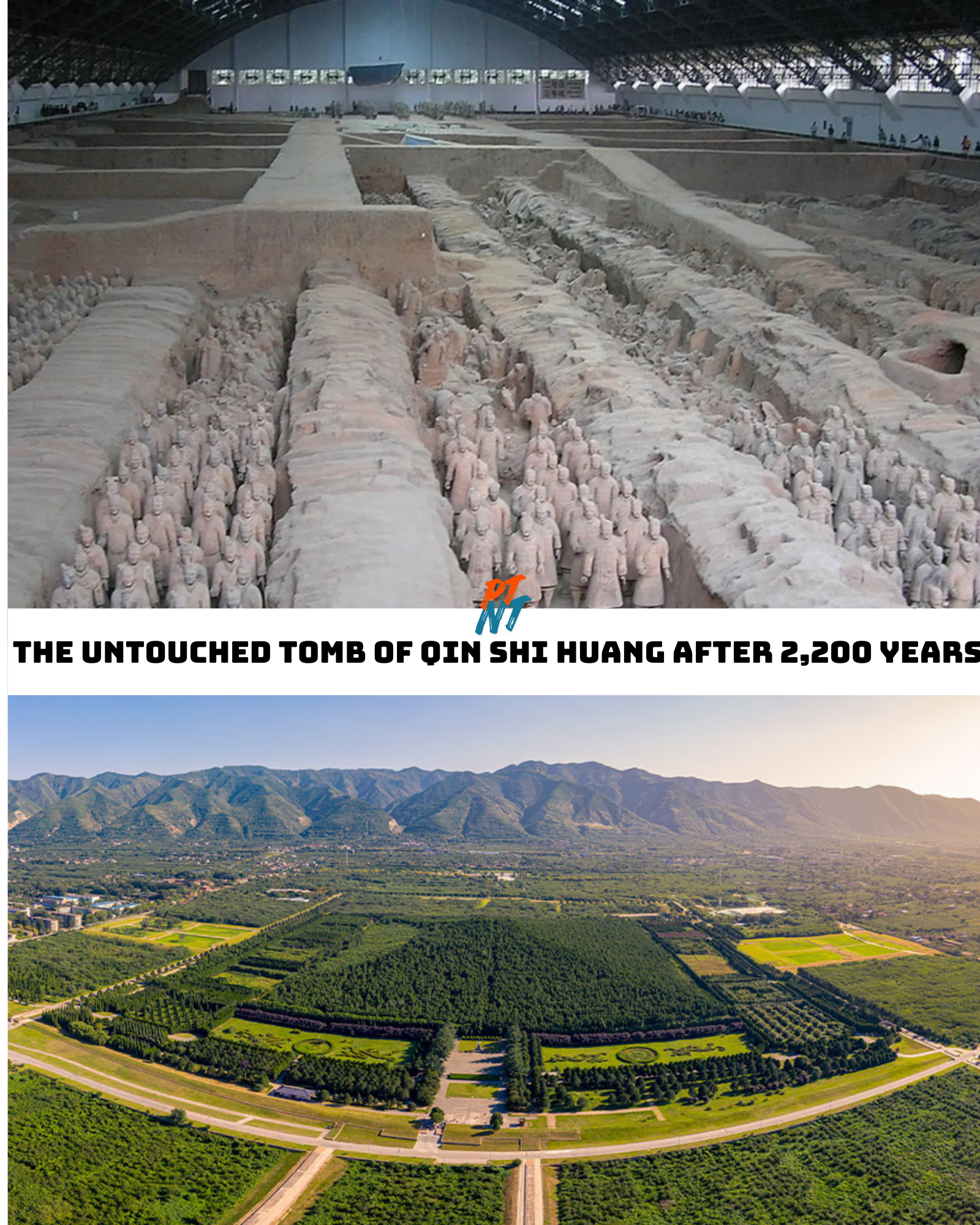
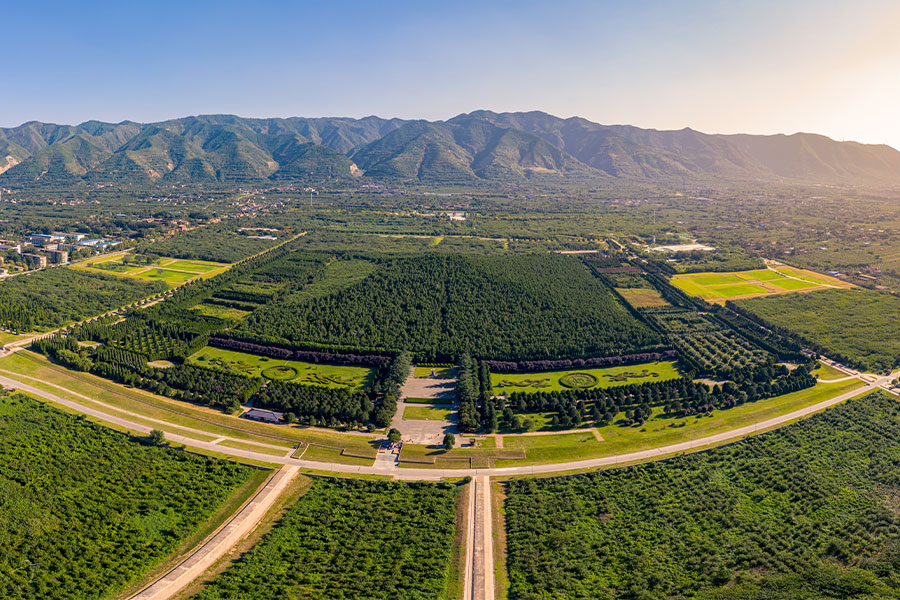
Located near modern-day Xi’an, the massive burial complex is best known for the discovery of the Terracotta Army—thousands of life-sized clay soldiers created to guard the emperor in the afterlife. Yet the central tomb itself has never been opened.
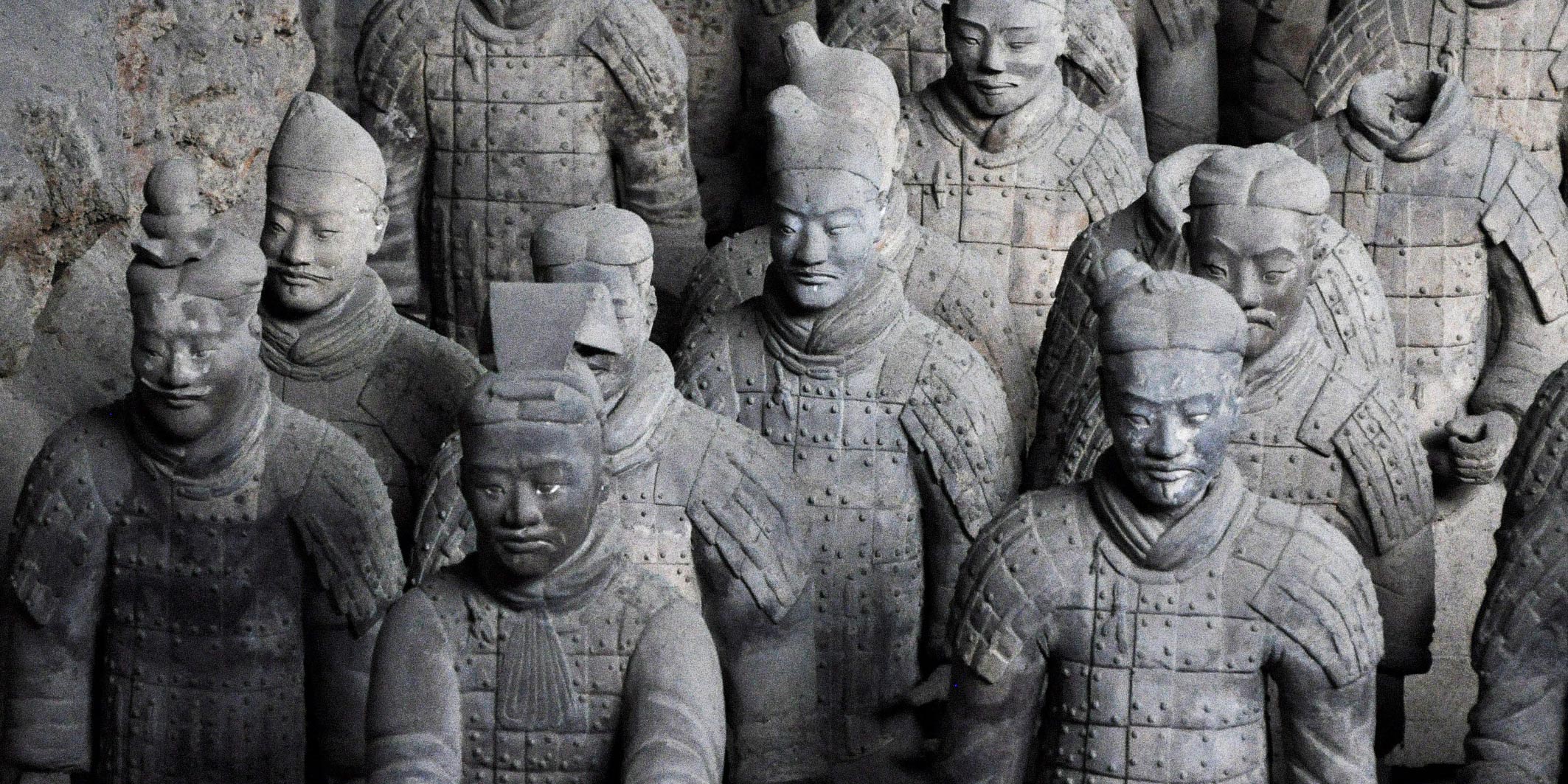
Historical texts, particularly those written by Sima Qian, describe an underground palace filled with rivers of mercury, deadly traps, and priceless treasures. Modern scientific surveys have detected unusually high levels of mercury in the soil around the tomb, lending credibility to these ancient accounts.
Despite advances in technology, archaeologists have chosen not to excavate the main chamber. Experts fear that opening the tomb could irreversibly damage fragile artifacts, just as early excavations once caused the vibrant colors of the Terracotta Army to rapidly fade upon exposure to air.

“The technology to safely preserve everything inside does not yet fully exist,” researchers explain. “It is better to wait than to risk losing history forever.”
For now, the tomb of Qin Shi Huang remains a silent time capsule, holding secrets of imperial China that may one day reshape our understanding of ancient civilization.