Ancient 500,000-Year-Old Stone Tools Discovered in Iran Reveal Early Human Presence
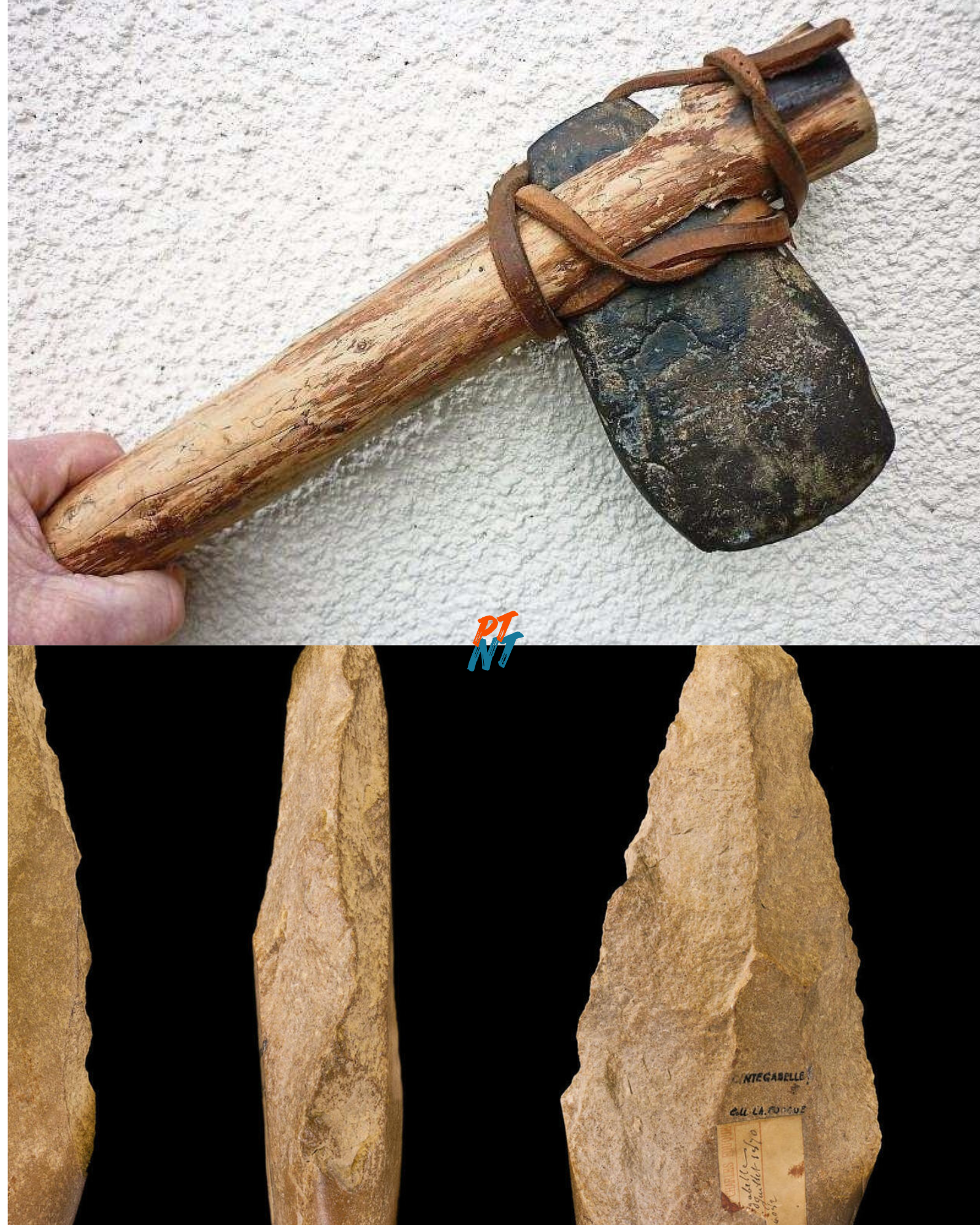

The discovery, made in areas near the Persian Gulf and northern regions of Iran, includes hand axes, large flakes, and bifacial tools associated with the Acheulean culture—a hallmark of early human technological development. These tools were likely crafted by ancient hominins during the Lower Paleolithic period, a time when survival depended heavily on hunting and tool-making skills.
Researchers say the site’s environment—rich in stone resources, seasonal water sources, and favorable terrain—would have made it an ideal location for early human settlement. Similar discoveries in northern Iran have previously revealed tools dating back around 400,000 years, reinforcing the idea that the region was a significant corridor for early human migration.

Experts emphasize that these tools are more than just ancient objects—they represent some of the earliest evidence of human innovation and adaptation. By studying wear patterns and manufacturing techniques, archaeologists hope to better understand how early humans hunted, processed food, and interacted with their environment.
This latest find adds to a growing body of evidence that Iran played a crucial role in prehistoric human history, potentially serving as a bridge between Africa, Asia, and Europe during early migration waves.
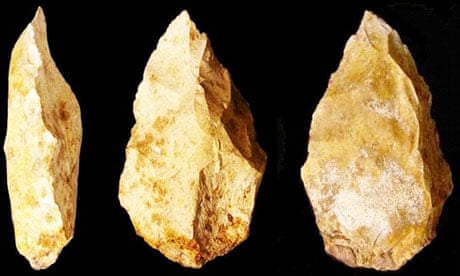
As excavations continue, scientists believe even older artifacts could still be waiting beneath the surface—hidden pieces of a story that stretches back hundreds of thousands of years.