Tensions Rise! USS Gerald R. Ford (CVN-78) Arrives in the Middle East.hl
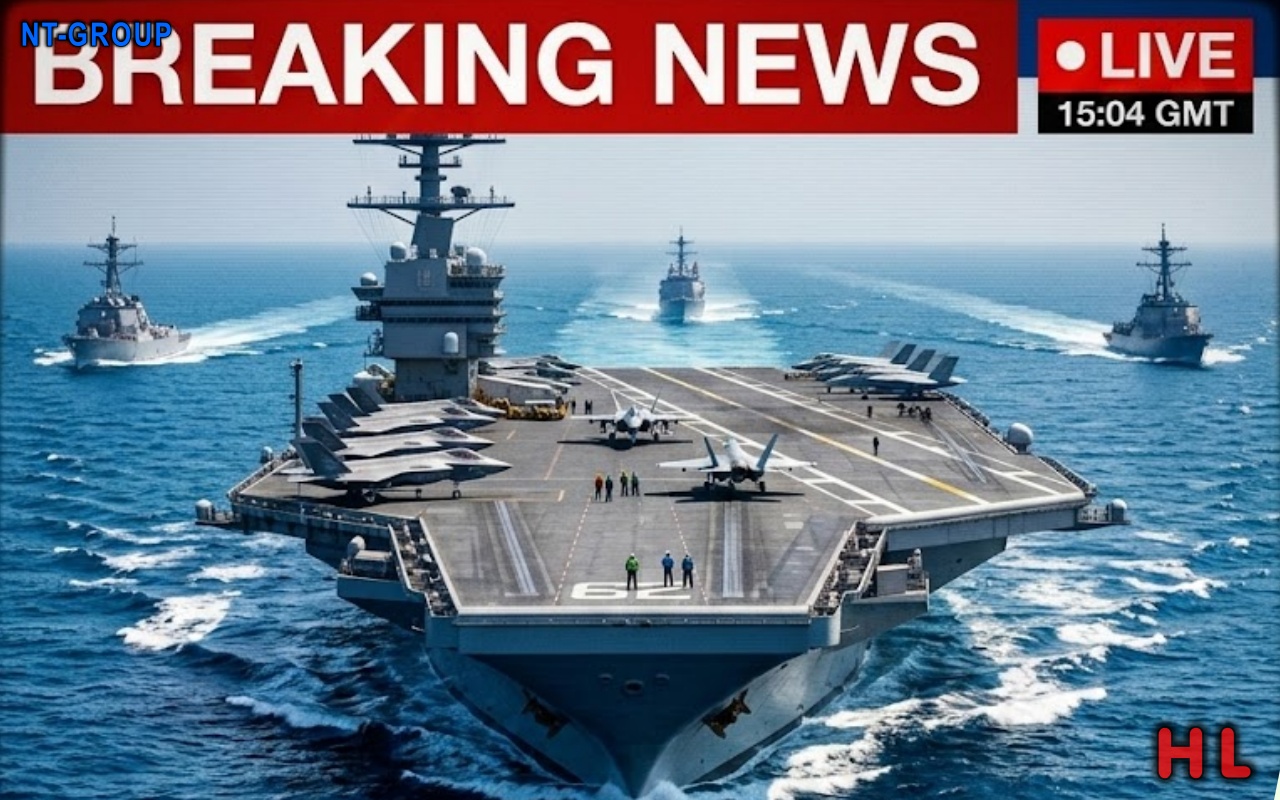
Gulf Region — The world’s most advanced aircraft carrier, the USS Gerald R. Ford (CVN‑78), has sailed into Middle Eastern waters, instantly raising the temperature in an already volatile region and sending a clear message to Iran and its allies that U.S. firepower is now on their doorstep.
Escorted by cruisers, destroyers and a nuclear‑powered submarine, the Ford brings with it a floating air force: F‑35C and F/A‑18 Super Hornet fighters, electronic‑warfare jets, early‑warning aircraft and armed helicopters now operating within rapid striking distance of key flashpoints from the Strait of Hormuz to the eastern Mediterranean. Flight operations began within hours of arrival, with deck crews working under blazing floodlights as sorties roared off the angled deck into the night.
Pentagon officials insist the deployment is “purely defensive,” aimed at protecting shipping lanes, U.S. troops ashore and regional partners from escalating missile and drone threats. But in Tehran, hardline media are denouncing the Ford as a “floating invasion base,” warning that any attack launched from its decks will trigger retaliation against U.S. facilities and allied capitals across the Gulf.
Gulf monarchies, heavily dependent on American security but terrified of open war, are quietly placing air defences, oil terminals and ports on heightened alert while publicly welcoming the carrier as a stabilizing presence. Energy markets are already reacting, with traders nervously pricing in the risk that one miscalculation between the Ford’s strike group and Iranian forces could turn tense skies and crowded sea lanes into the opening shots of a wider regional conflict.