Terracotta General Statues Guard the Legacy of Qin Shi Huang
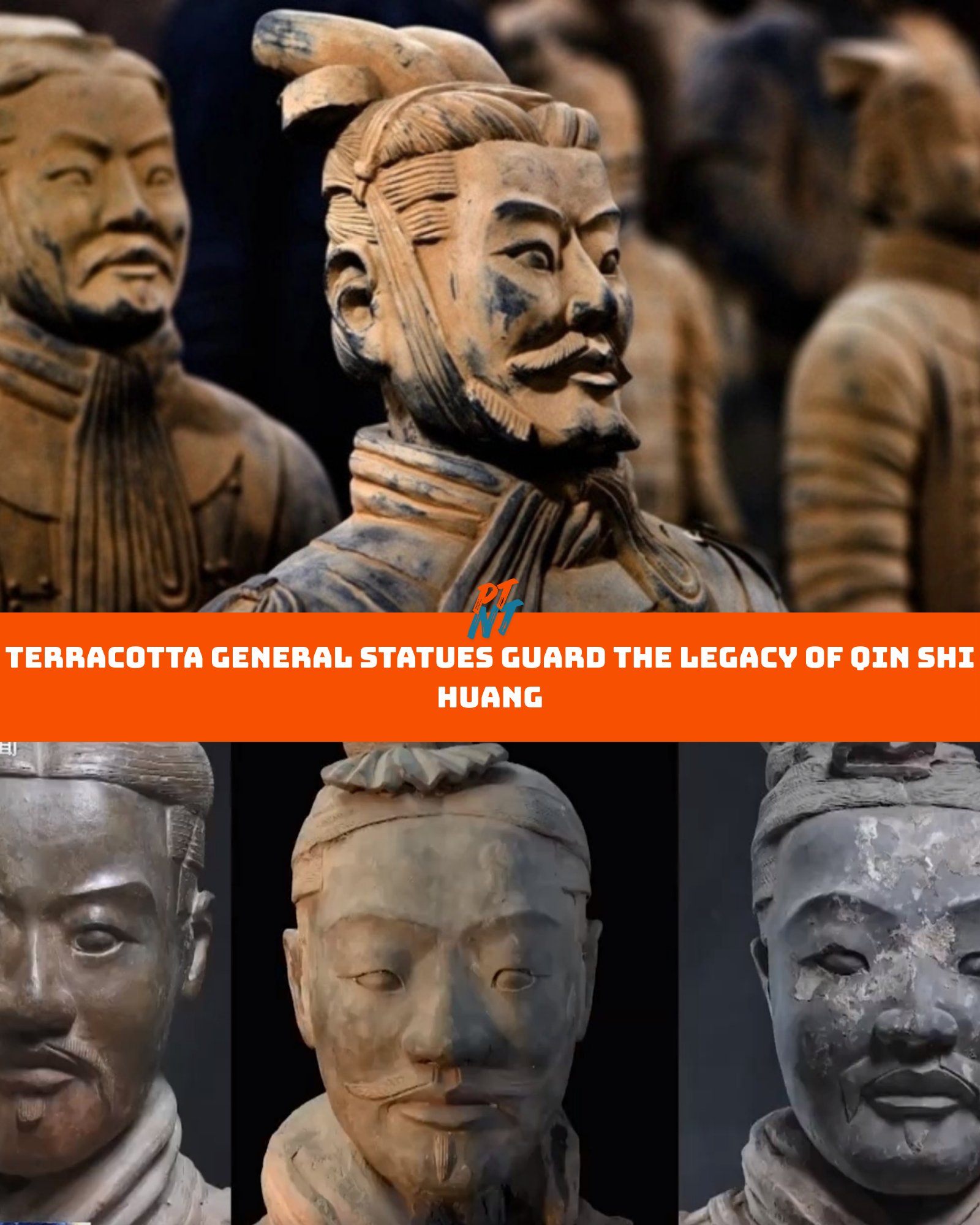
Terracotta General Statues Guard the Legacy of Qin Shi Huang
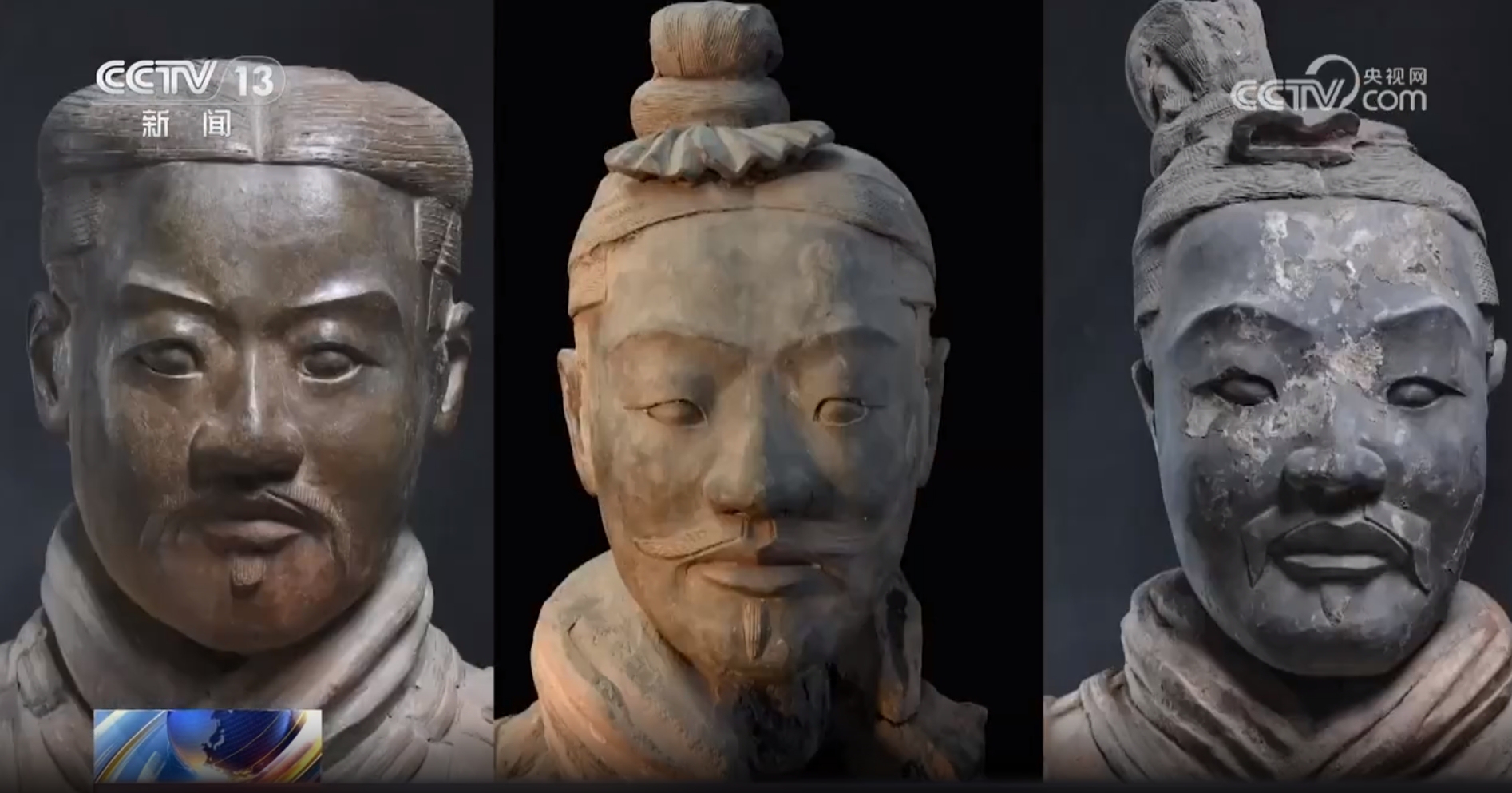
Among the thousands of life-sized clay figures buried in the vast mausoleum complex of Emperor Qin Shi Huang, the statues of high-ranking generals stand out as some of the most detailed and symbolically powerful.
Discovered as part of the world-renowned Terracotta Army near Xi’an, these terracotta generals were crafted over 2,000 years ago to serve the emperor in the afterlife. Unlike standard infantry figures, general statues are easily distinguishable by their elaborate armor, commanding posture, and unique facial features that convey authority and experience.
Archaeologists note that these figures were not mass-produced in a uniform style. Each statue appears individually sculpted, with subtle differences in expressions, hairstyles, and attire—suggesting a sophisticated level of craftsmanship during the Qin Dynasty.
The generals typically wear layered armor plates, decorated chest pieces, and distinctive headdresses that signify rank. Their stance is often upright and composed, reflecting leadership roles within the imperial army. Some are depicted with hands positioned as if once holding weapons, although the original wooden arms and weapons have long since decayed.
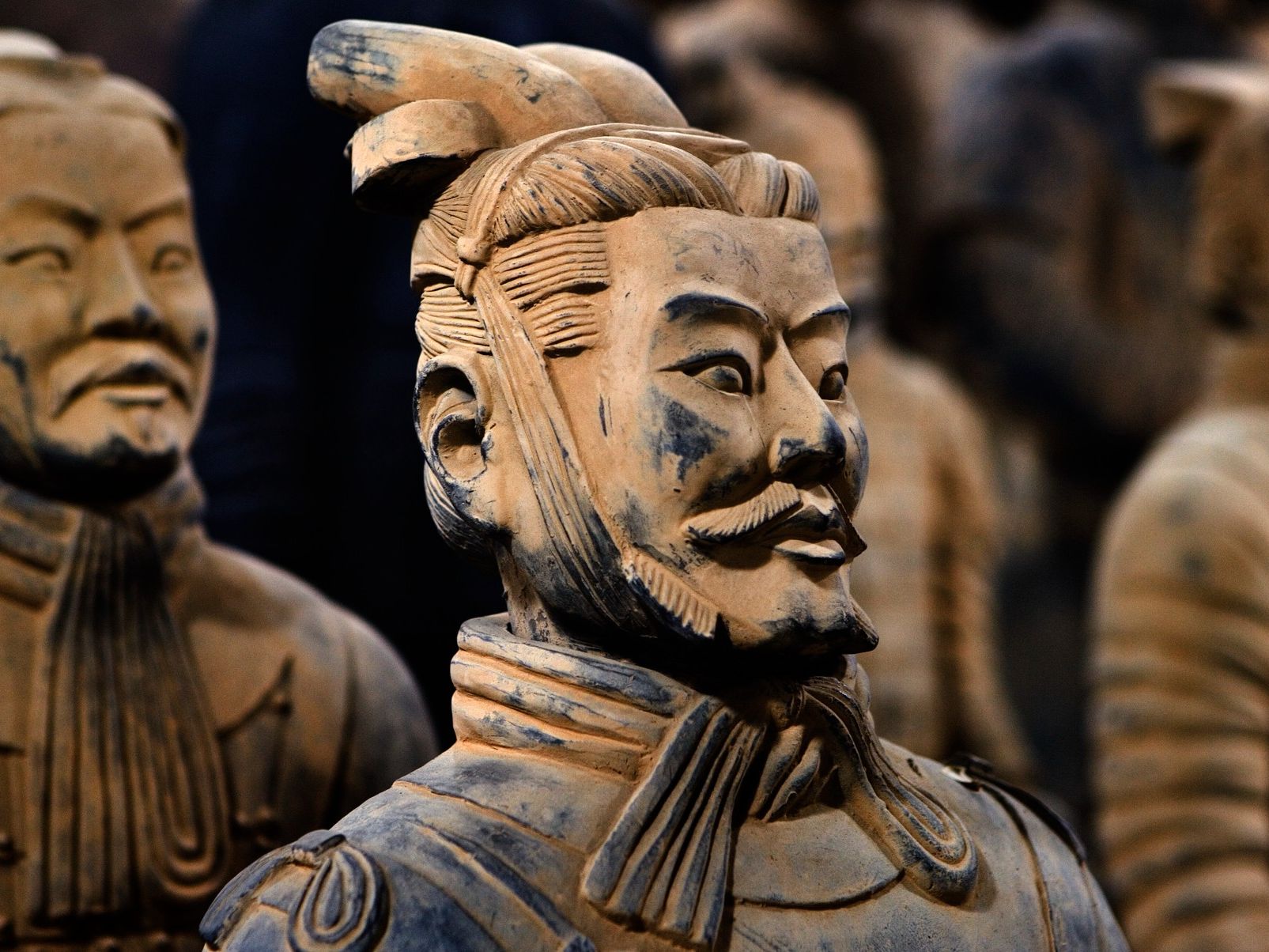
Experts believe these statues were strategically placed within the formation to command troops, mirroring real military hierarchy. This reinforces the idea that Qin Shi Huang envisioned an organized army to protect him in the afterlife.
Today, the Terracotta Army remains one of the greatest archaeological discoveries in history, offering invaluable insight into ancient Chinese military structure, artistry, and beliefs about life after death.