Egypt Unveils First Pharaoh Tomb Discovery in a Century
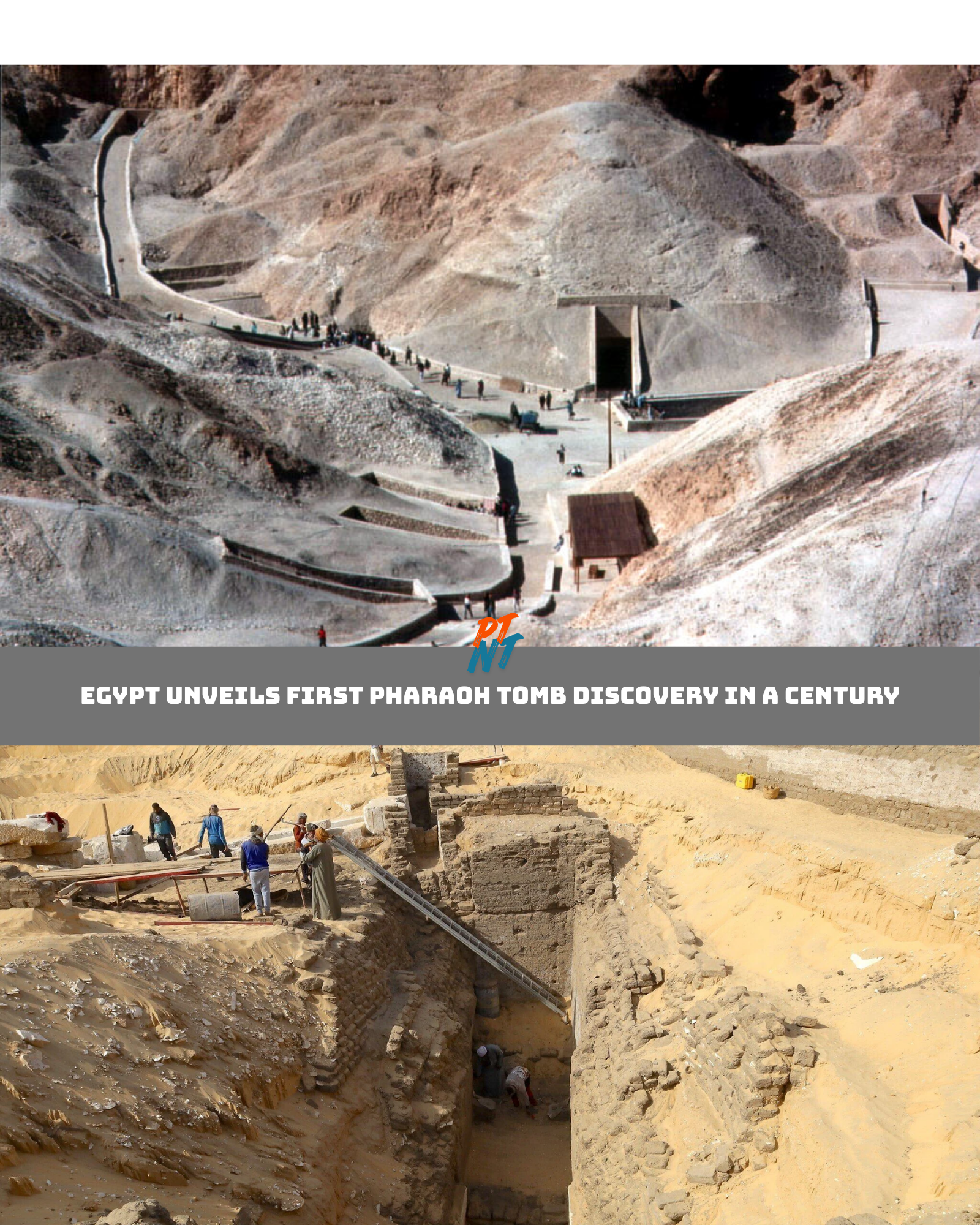
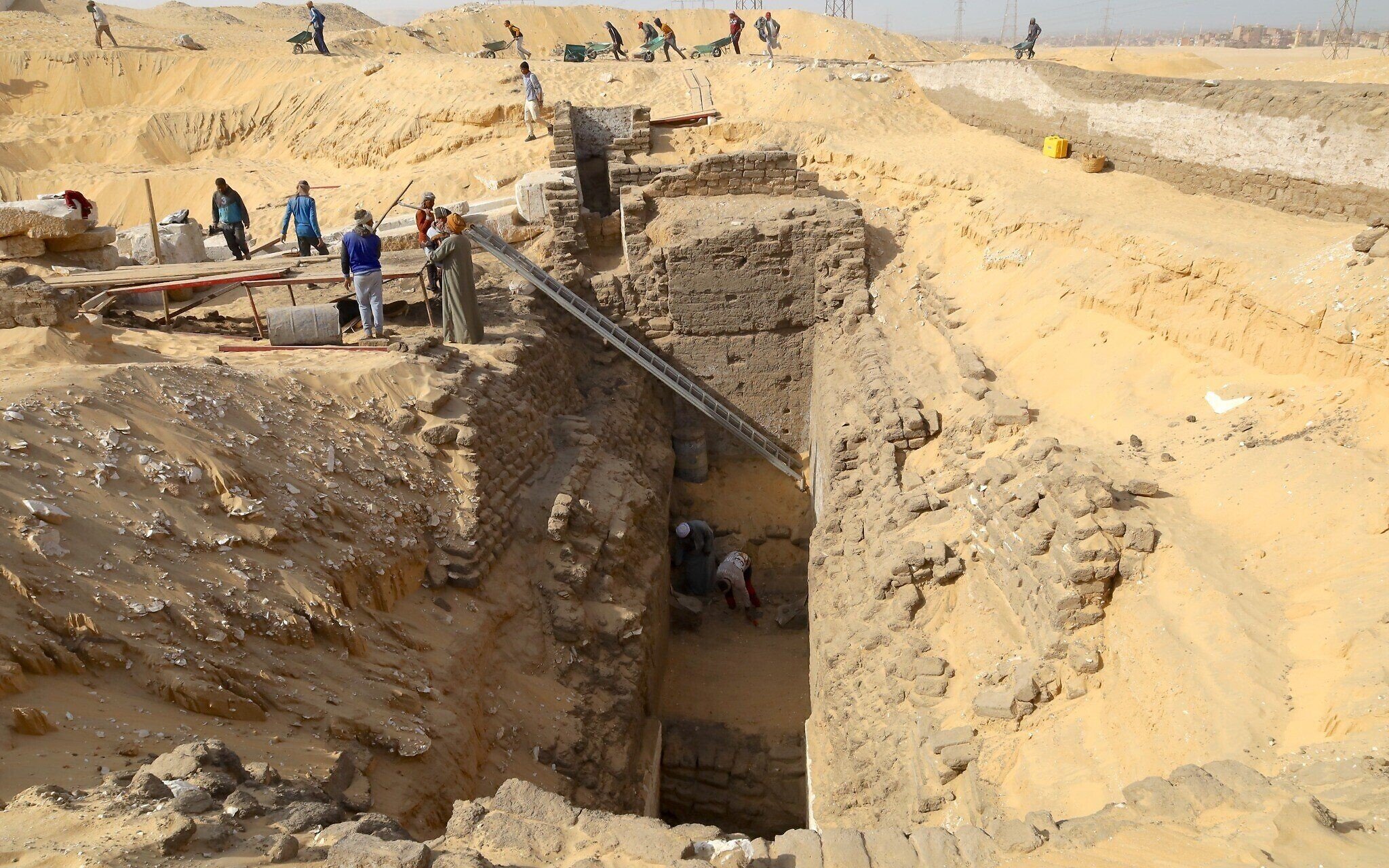
In a groundbreaking announcement, Egypt has revealed the discovery of what experts are calling the first pharaoh’s tomb found in over 100 years—marking a historic moment in modern archaeology.
The newly uncovered tomb, believed to belong to a previously undocumented ruler, was found near the legendary Valley of the Kings, the same royal burial ground that houses the famous tomb of Tutankhamun. The last comparable discovery dates back to 1922, when British archaeologist Howard Carter stunned the world with the unearthing of King Tut’s nearly intact tomb.

Archaeologists report that the newly discovered burial site contains intricate wall carvings, sealed chambers, and artifacts that could reshape our understanding of ancient Egyptian dynasties. Early inscriptions suggest the tomb may belong to a lesser-known pharaoh who ruled during a turbulent transitional period, offering rare insights into a largely mysterious era.
“This is a once-in-a-generation discovery,” said a senior official from Egypt’s Ministry of Tourism and Antiquities. “It has the potential to rewrite chapters of ancient Egyptian history.”
Preliminary scans indicate that deeper chambers may still be hidden behind sealed walls, raising hopes of further treasures yet to be uncovered. However, experts are proceeding cautiously to preserve the integrity of the site.
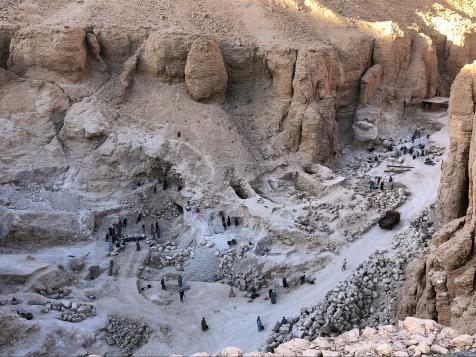
The discovery is expected to reignite global fascination with ancient Egypt and boost tourism, while also placing renewed emphasis on preservation and responsible excavation.
As excavations continue, the world watches with anticipation—wondering what secrets, buried for millennia, are finally coming to light.