Ancient Wonder at Risk: Tomb of Tutankhamun Faces Possible Collapse
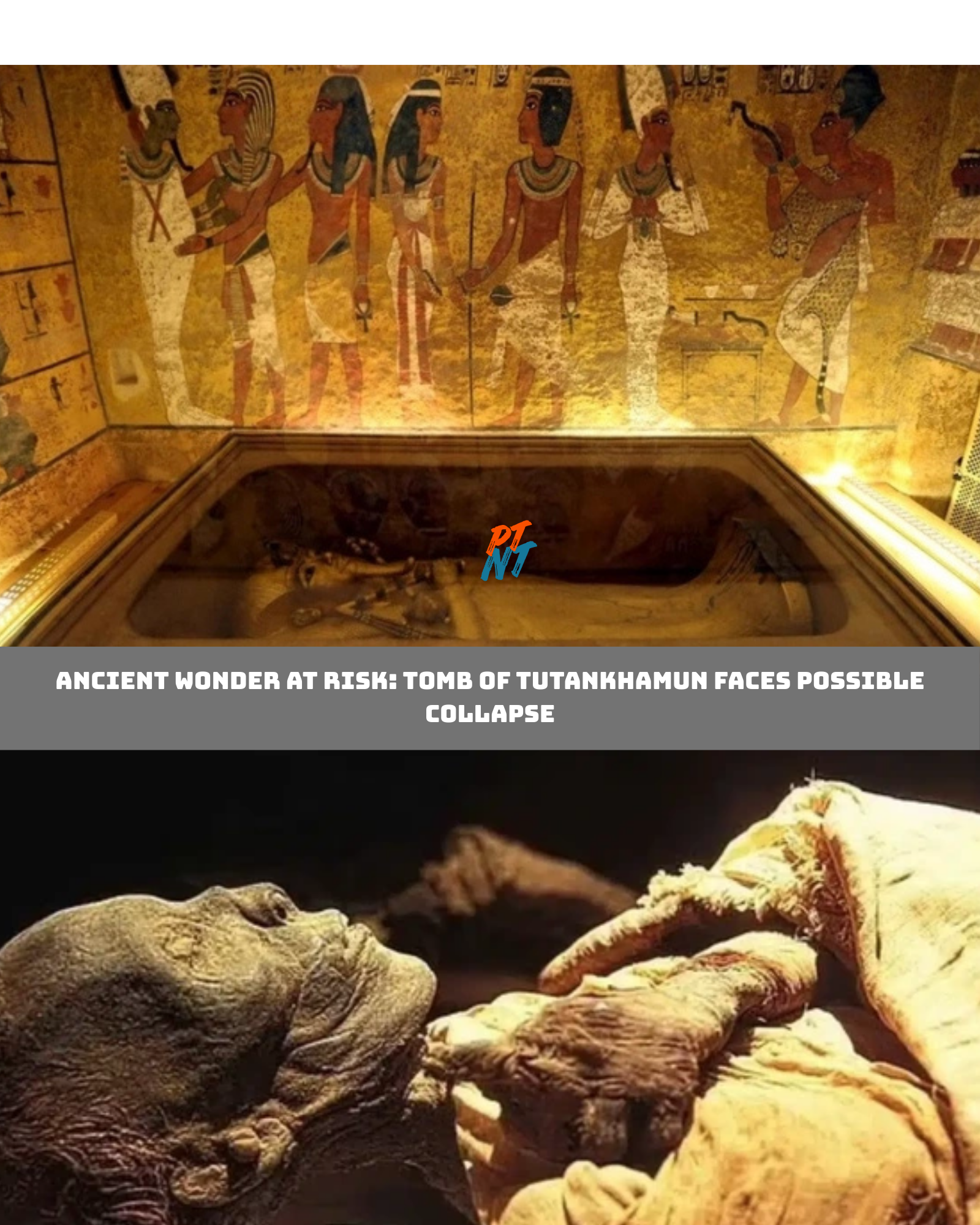
The tomb of the young pharaoh Tutankhamun—one of the most iconic archaeological discoveries in history—is now facing a growing threat of structural collapse, raising urgent concerns among experts and heritage conservationists.
Discovered in 1922 in the Valley of the Kings by British archaeologist Howard Carter, the tomb (KV62) has attracted millions of visitors over the decades. However, the very popularity that turned it into a global symbol of ancient Egypt may now be contributing to its deterioration.

According to recent reports from Egypt’s Ministry of Tourism and Antiquities, humidity from tourists’ breath, combined with temperature fluctuations and vibrations, has caused microfractures in the tomb’s delicate walls. The painted plaster surfaces—famous for their vivid depictions of the afterlife—are particularly at risk.
Specialists warn that without immediate intervention, parts of the burial chamber could weaken significantly, potentially leading to partial collapse. “This is not just about preserving a monument,” one conservation expert stated. “It is about protecting a priceless chapter of human history.”
Efforts are already underway to limit daily visitor numbers and install advanced climate-control systems. Replicas of the tomb have also been introduced nearby to reduce foot traffic in the original site.
Located in Valley of the Kings, the tomb of Tutankhamun remains a cornerstone of Egypt’s tourism industry. Yet, the challenge now lies in balancing public access with preservation.
As the world watches closely, the fate of this ancient treasure hangs in the balance—reminding us that even the most enduring legacies are not immune to time.