New Birth Brings Hope to Endangered Amazon Tribe
Pugapia and her daughters, Aiga and Babawru, lived for years as the only surviving members of the Akuntsu, an Indigenous people decimated by a government-backed push to develop parts of the Amazon rainforest. As they advanced in age without a child to carry on the line, many expected the Akuntsu to vanish when the women died.
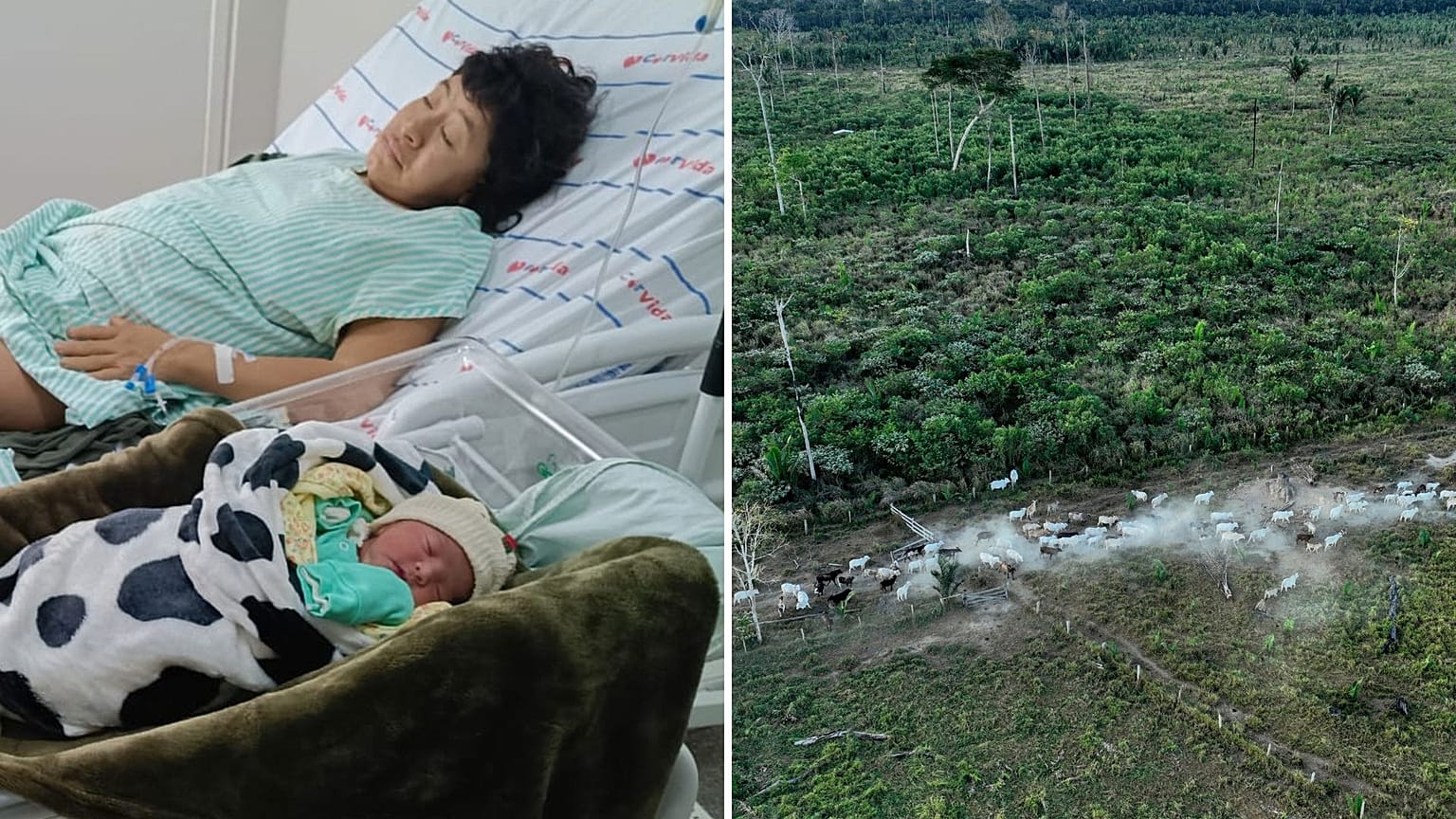
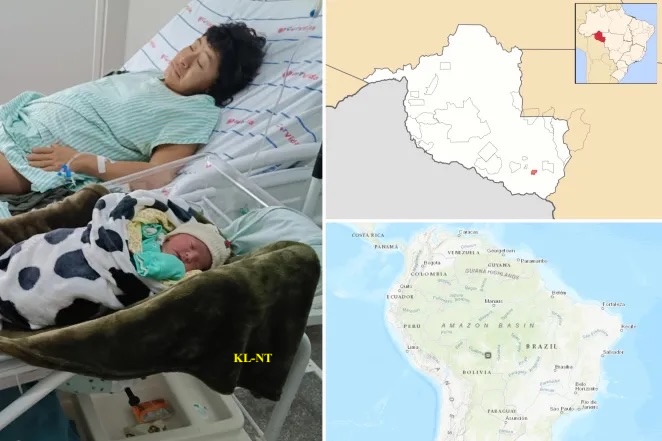
That changed in December, when Babawru — the youngest of the three, in her 40s — gave birth to a boy. Akyp’s arrival brought hope not just for the Akuntsu line but also for efforts to protect the equally fragile rainforest.
“This child is not only a symbol of the resistance of the Akuntsu people, but also a source of hope for Indigenous peoples,” said Joenia Wapichana, president of Brazil’s Indigenous protection agency, known as Funai. “He represents how recognition, protection and the management of this land are extremely necessary.”

Protecting Indigenous territories is widely seen as one of the most effective ways to curb deforestation in the Amazon, the world’s largest rainforest and a key regulator of global climate.
Researchers warn that continued forest loss could accelerate global warming. A 2022 analysis by MapBiomas, a network of nongovernmental groups tracking land use, found Indigenous territories in Brazil had lost just 1% of native vegetation over three decades, compared with 20% on private land nationwide.
In Rondonia state, where the Akuntsu dwell, about 40% of native forest has been cleared, and what remains untouched is largely within conservation and Indigenous areas. The Akuntsu’s land stands out in satellite images as an island of forest surrounded by cattle pasture as well as soy and corn fields.
In the 1980s, deforestation pushed attacks in Rondonia
Rondonia’s deforestation traces back to a government-backed push to occupy the rainforest during Brazil’s military regime in the 1970s. Around the same time, an infrastructure program financed in part by the World Bank promoted domestic migration to the Amazon, including the paving of a highway across the state.
In the 1980s, Rondonia’s population more than doubled, according to census data. Settlers were promised land titles if they cleared the forest for agriculture and risked losing claims if Indigenous people were present, fueling violent attacks by hired gunmen on Indigenous groups such as the Akuntsu.