Tomb of K’inich Janaab’ Pakal Sheds New Light on Maya Origins
The ancient Maya civilization continues to reveal its secrets, as renewed interest surrounds the tomb of K’inich Janaab’ Pakal—one of the most powerful rulers associated with the rise of the Maya city-state of Palenque.
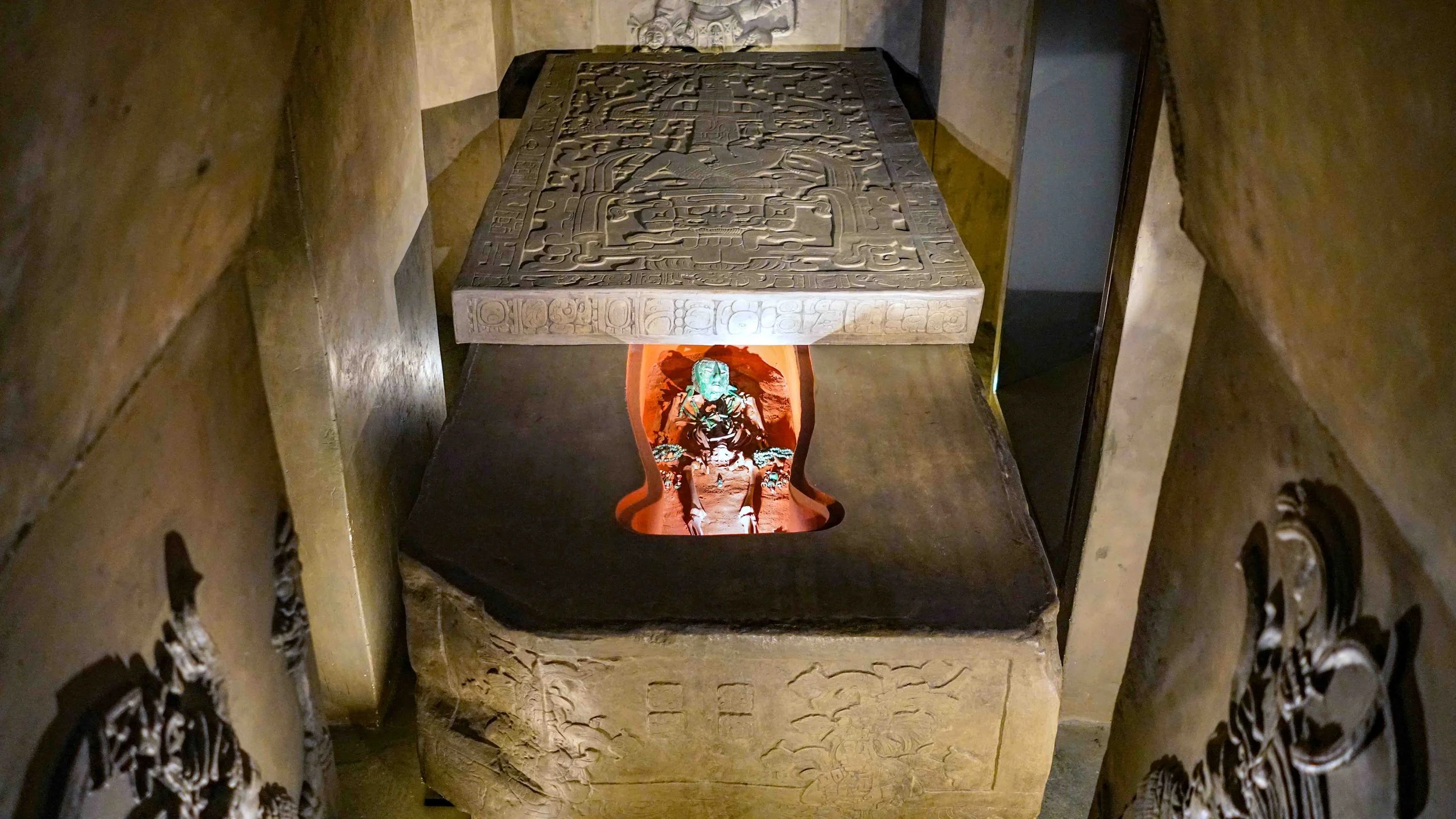
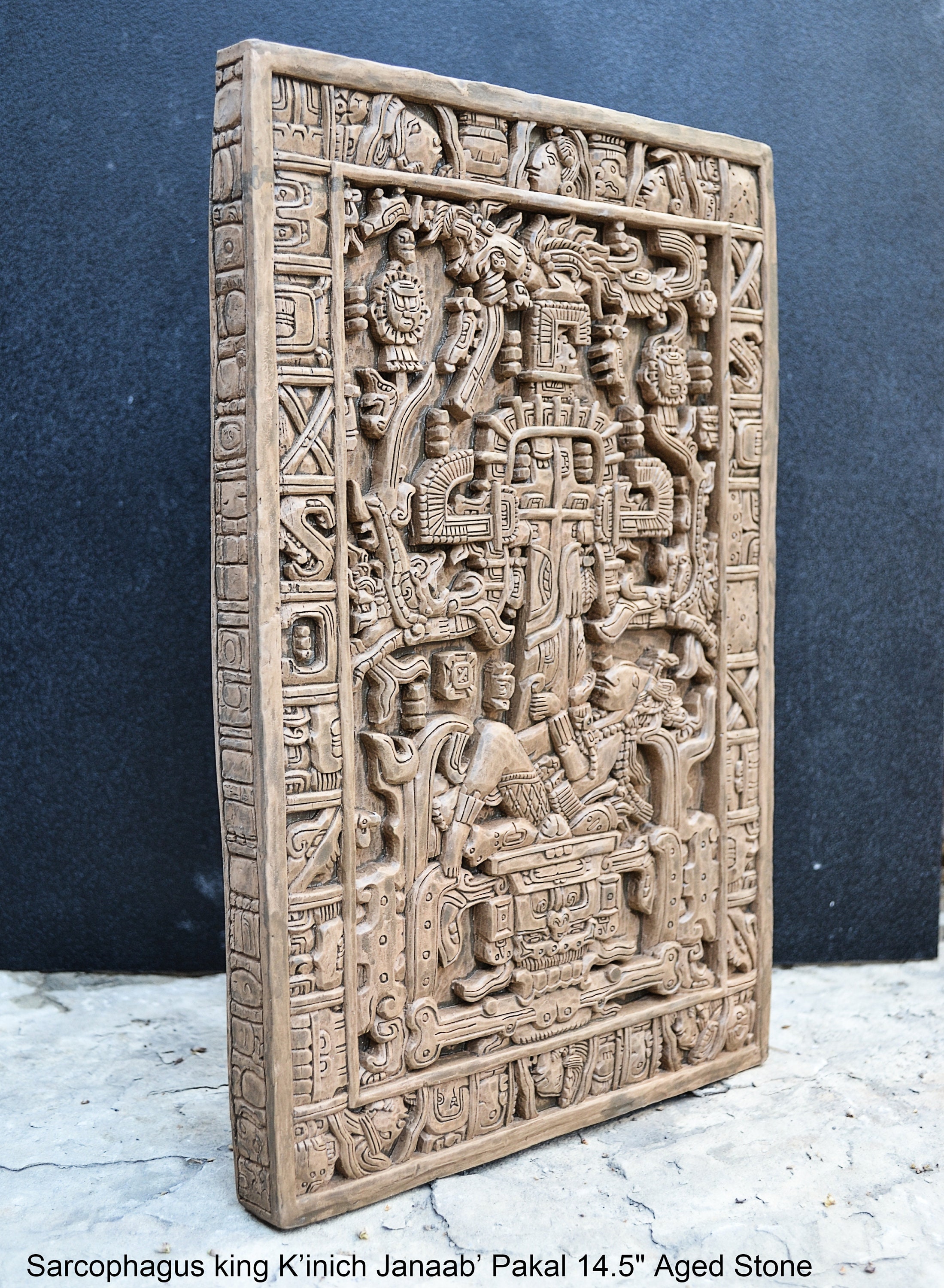
Discovered in 1952 within the Temple of the Inscriptions, Pakal’s tomb is considered one of the most significant archaeological finds in Mesoamerican history. The burial chamber lies deep within a pyramid structure, containing a massive stone sarcophagus covered in intricate carvings that depict cosmological themes, rebirth, and the Maya view of the universe.
Often referred to as a “founder figure” due to his role in strengthening and expanding Palenque’s power, Pakal ruled for nearly 70 years during the 7th century. His leadership helped establish political stability and cultural development that shaped the city’s legacy.
The sarcophagus lid has sparked widespread fascination and debate. Some fringe theories once suggested it depicted ancient technology, but scholars agree it represents traditional Maya beliefs about the journey between life, death, and the underworld.
Modern scanning technologies continue to uncover new details about the tomb’s construction and hidden chambers, suggesting there may still be undiscovered elements beneath the pyramid.
Far from myth, the tomb of Pakal stands as a testament to the sophistication of Maya civilization—where art, religion, and power were deeply intertwined in shaping one of the ancient world’s greatest cultures.