Trump’s Gains and Losses After the Hypothetical Death of Iran’s Supreme Leader
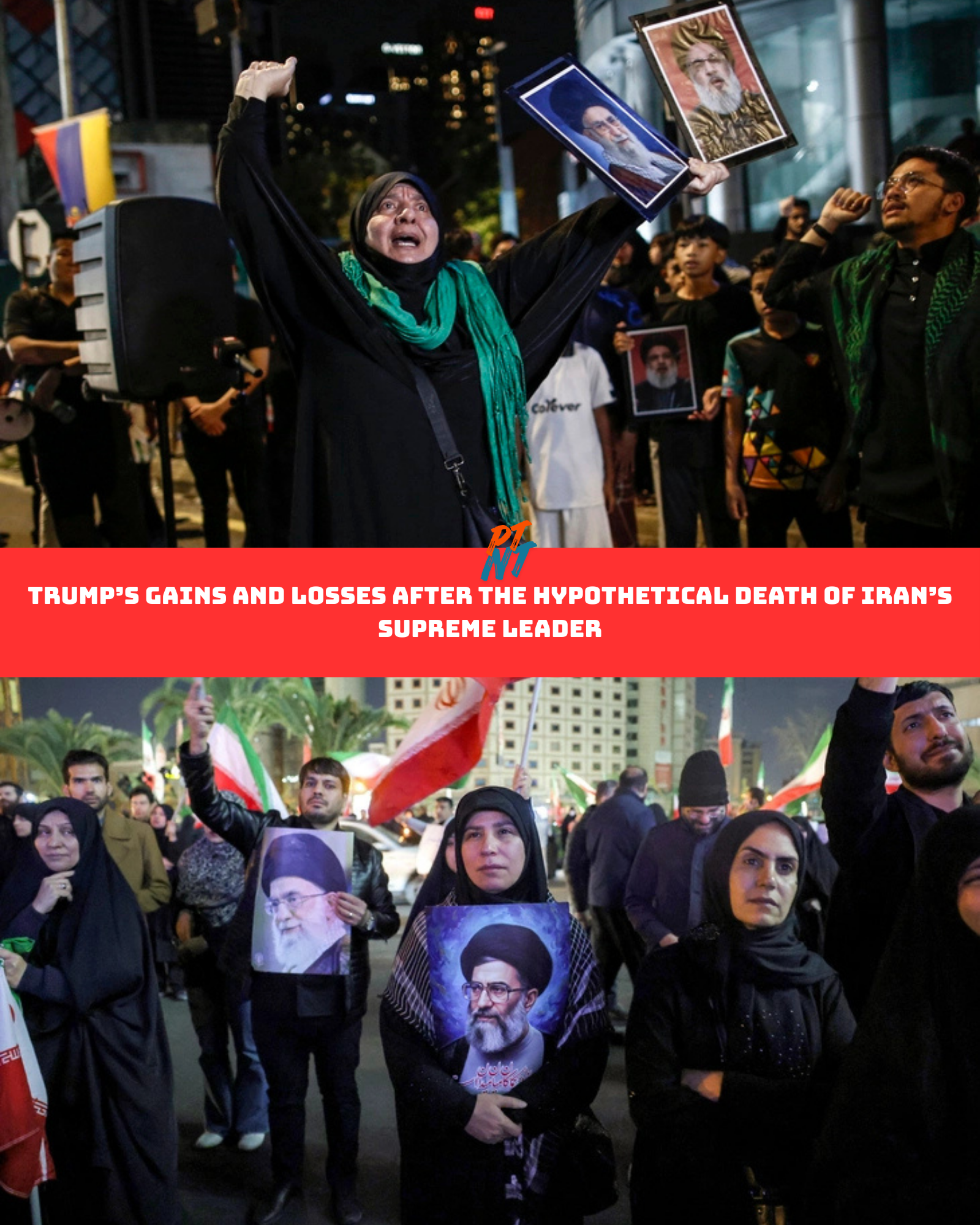
The reported death of Iran’s Supreme Leader, Ali Khamenei, if confirmed, would mark a turning point in Middle Eastern geopolitics—bringing both potential advantages and serious risks for Donald Trump.
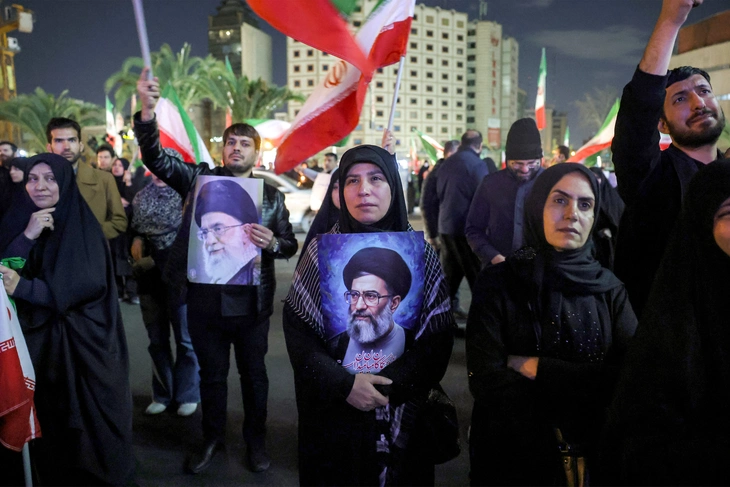
On one hand, Khamenei’s absence could weaken Iran’s centralized power structure. As the country’s most influential authority, his leadership has shaped Tehran’s hardline stance against the United States. A leadership vacuum may trigger internal divisions, offering Washington strategic leverage. For Trump, known for his “maximum pressure” policy, this could validate years of sanctions and diplomatic isolation efforts.
However, the situation is far from a clear win. Iran’s political system is designed for continuity, and a successor could emerge quickly—possibly one even more hardline. Moreover, instability in Iran could spark regional unrest, affecting global oil markets and increasing tensions across the Middle East.
Trump also faces political risks domestically. While some supporters may view this development as a strategic victory, critics could warn of unintended consequences, including escalation or long-term instability.
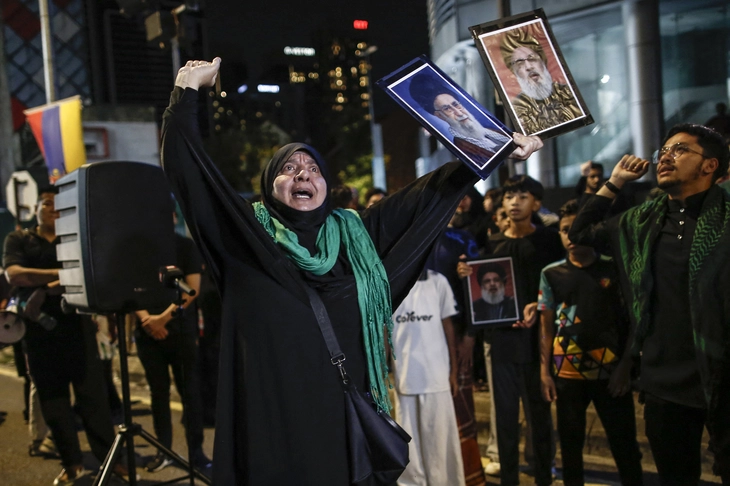
Ultimately, the death of Iran’s Supreme Leader would not guarantee a geopolitical advantage. Instead, it would open a complex and unpredictable chapter—one where gains and losses remain tightly intertwined.