Germany, UK, and France Join the US in Coordinating Middle East Security Efforts
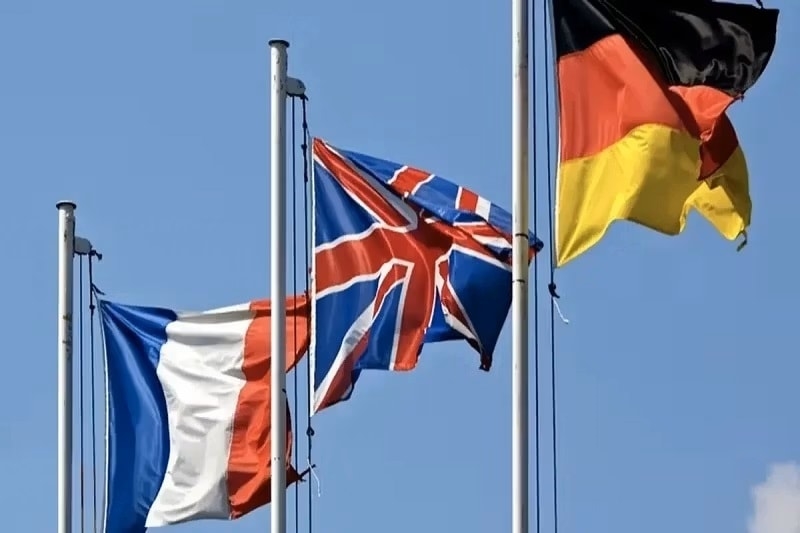
Germany, UK, and France Join the US in Coordinating Middle East Security Efforts
Berlin, London, Paris, Washington — Germany, the United Kingdom, and France have confirmed that they are coordinating with the United States to enhance their collective security interests in the Middle East. This move comes amid rising tensions in the region, with heightened concerns over Iran’s nuclear program, regional instability, and increasing military confrontations between Iran, the US, and allied forces.
The coordination involves a series of diplomatic, military, and intelligence-sharing measures aimed at safeguarding European and American interests in the region. The four countries have vowed to strengthen their security presence in the Middle East, with a particular focus on countering threats from Iran, militant groups, and terrorist organizations operating in the region.
Details of the Coordination:
-
European and U.S. Military Presence: Military leaders from the four nations have discussed enhancing their joint defense capabilities, particularly through NATO and bilateral agreements, to protect critical infrastructure and strategic assets in the Gulf. The increased focus includes maritime security, as well as air and ground defense coordination.
-
Intelligence Sharing: European intelligence agencies are reportedly working closely with their U.S. counterparts to monitor and track threats in the region, particularly from Iranian-backed militias and other hostile groups. This also includes the interception of potential cyberattacks and monitoring the movement of weapon shipments.
-
Diplomatic Efforts: In addition to military coordination, the four nations are increasing diplomatic pressure on regional actors to de-escalate tensions. This includes calls for Iran to adhere to the nuclear non-proliferation treaty and return to the Joint Comprehensive Plan of Action (JCPOA), which the U.S. and European allies have been working to restore under the Biden administration.
Focus on Iran’s Threats:
-
Iran’s Nuclear Program: European leaders have voiced growing concern over Iran’s nuclear ambitions, with many calling for renewed negotiations to curb Tehran’s nuclear activities. The European powers, alongside the U.S., have been pushing for Iran to return to the JCPOA framework, which set limits on Iran’s nuclear enrichment activities in exchange for sanctions relief. However, the recent hardline stance from Iran has made these efforts difficult.
-
Regional Stability: The four nations have emphasized the importance of regional stability in the Middle East. This includes preventing Iranian-backed forces from further destabilizing countries like Syria, Iraq, and Lebanon, where Iranian militias have significant influence. There are also concerns over Iran’s missile program and its impact on Gulf security.
Security and Energy Interests: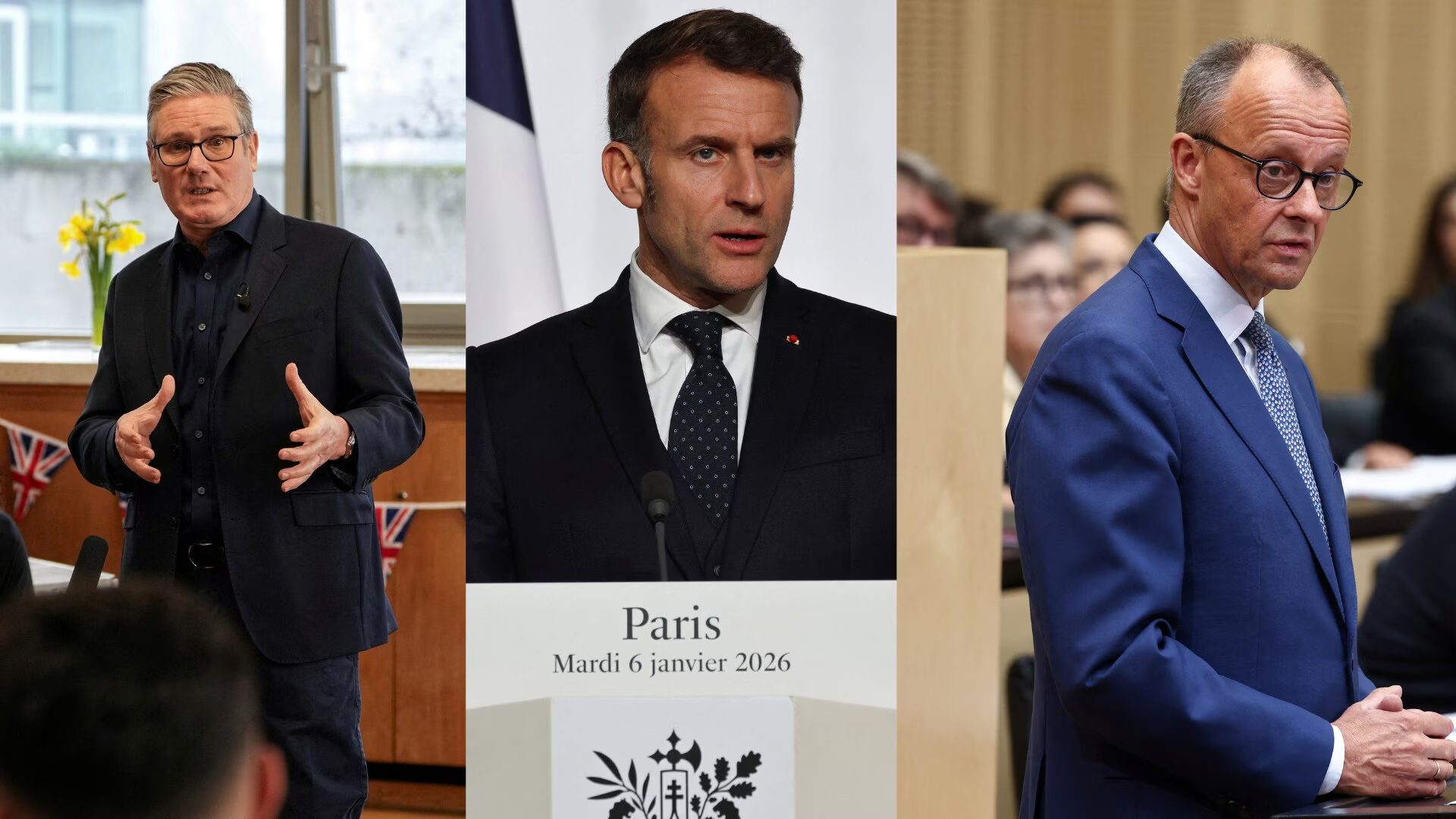
-
Oil and Gas Routes: The Strait of Hormuz, through which a large percentage of global oil and gas shipments pass, is a major focus of the coordination efforts. The U.S. and its European allies are increasingly concerned about Iranian efforts to disrupt global energy flows, particularly following a series of attacks on oil tankers and facilities attributed to Iran or its proxies.
-
Critical Infrastructure Protection: The protection of energy infrastructure, such as oil fields and gas pipelines, is another critical element of this coordination. With Iranian forces and militias operating in various conflict zones, European and American forces are ensuring that such targets remain secure from attack or sabotage.
Global Reactions:
-
U.S. Support: U.S. officials have welcomed the strengthened cooperation with European allies, reiterating that a united front in the Middle East is essential to counter Iranian aggression and ensure global stability. The Biden administration has also called for continued pressure on Tehran to prevent it from acquiring nuclear weapons.
-
Iranian Response: Tehran has strongly condemned the efforts, accusing the U.S. and its European allies of interfering in the region’s sovereignty and stoking tensions. Iranian officials have stated that they will not be deterred by external pressure and have vowed to continue their pursuit of military and nuclear capabilities.
Looking Ahead:
-
Potential for Escalation: As European powers and the U.S. coordinate their efforts in the Middle East, the potential for further military confrontations remains high. Tensions between the U.S. and Iran, as well as Iran’s growing influence in the region, will continue to be a focal point in global security discussions.
-
Diplomatic Challenges: While military and intelligence efforts are critical, the diplomatic resolution of the Iran nuclear crisis remains a significant challenge. The coordination between the U.S., Germany, the UK, and France will likely intensify, but achieving a lasting peace or a return to the nuclear agreement may require more than just military presence and economic sanctions.