Iran’s National Security Council Secretary Declares: “Iran Will Not Negotiate with the US”
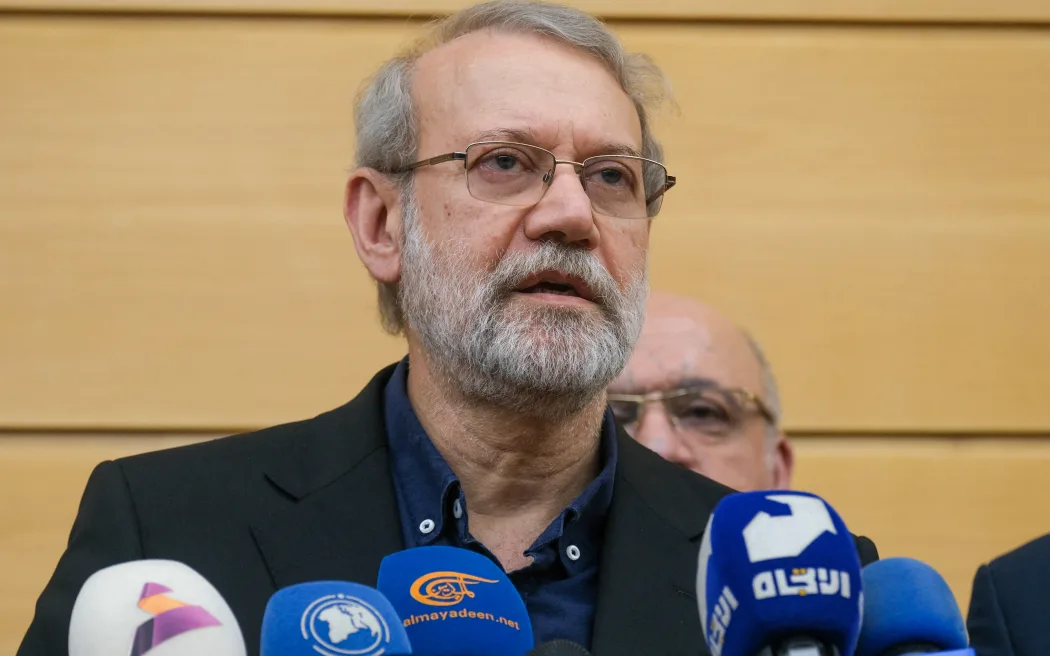
Iran’s National Security Council Secretary Declares: “Iran Will Not Negotiate with the US”
Tehran, Iran — In a decisive statement, Ali Larijani, the Secretary of Iran’s National Security Council, has firmly rejected reports claiming that he had initiated contact with the United States through intermediaries. Speaking to Al Jazeera, Larijani reaffirmed that Iran will not negotiate with the U.S. under any circumstances.
The statement comes amidst growing tensions between the two countries, especially following the recent escalation in military actions and regional unrest. Iran’s rejection of U.S. diplomatic overtures highlights the continued rift between the two nations, which has deepened since the U.S. withdrew from the Joint Comprehensive Plan of Action (JCPOA) — commonly known as the Iran nuclear deal — under President Donald Trump in 2018.
Details of Larijani’s Statement:
-
Rejection of Negotiations: Larijani emphasized that Iran had no interest in resuming talks with Washington, refuting any claims of backchannel discussions. His remarks were made in response to reports suggesting that Iranian officials had been seeking ways to restart diplomatic dialogue with the U.S.
-
Iran’s Stance on U.S. Involvement: “We will not negotiate with the United States,” Larijani stated bluntly, adding that Iran would only consider negotiations with countries that respect its sovereignty and interests. The U.S. is viewed in Tehran as an unreliable partner due to its withdrawal from the nuclear deal and other hostile actions.
-
Diplomatic Isolation: Larijani’s comments reaffirm Iran’s long-standing position of diplomatic isolation from the U.S. He also reiterated that any future talks could only take place under terms favorable to Iran’s national interests, particularly its nuclear program.
Context of the Current Tensions:
-
Nuclear Deal and Sanctions: Relations between the U.S. and Iran have been strained since the U.S. pulled out of the 2015 nuclear deal, which lifted sanctions on Iran in exchange for limits on its nuclear program. Since then, the U.S. has reinstated severe sanctions on Iran, crippling its economy, while Tehran has gradually reduced its compliance with the agreement.
-
Regional Instability: The statement also comes amid mounting tensions in the Middle East, particularly in Iraq and Syria, where Iranian-backed militias are active. The U.S. has been involved in countering these forces, leading to confrontations between American and Iranian military assets in the region.
International Reactions: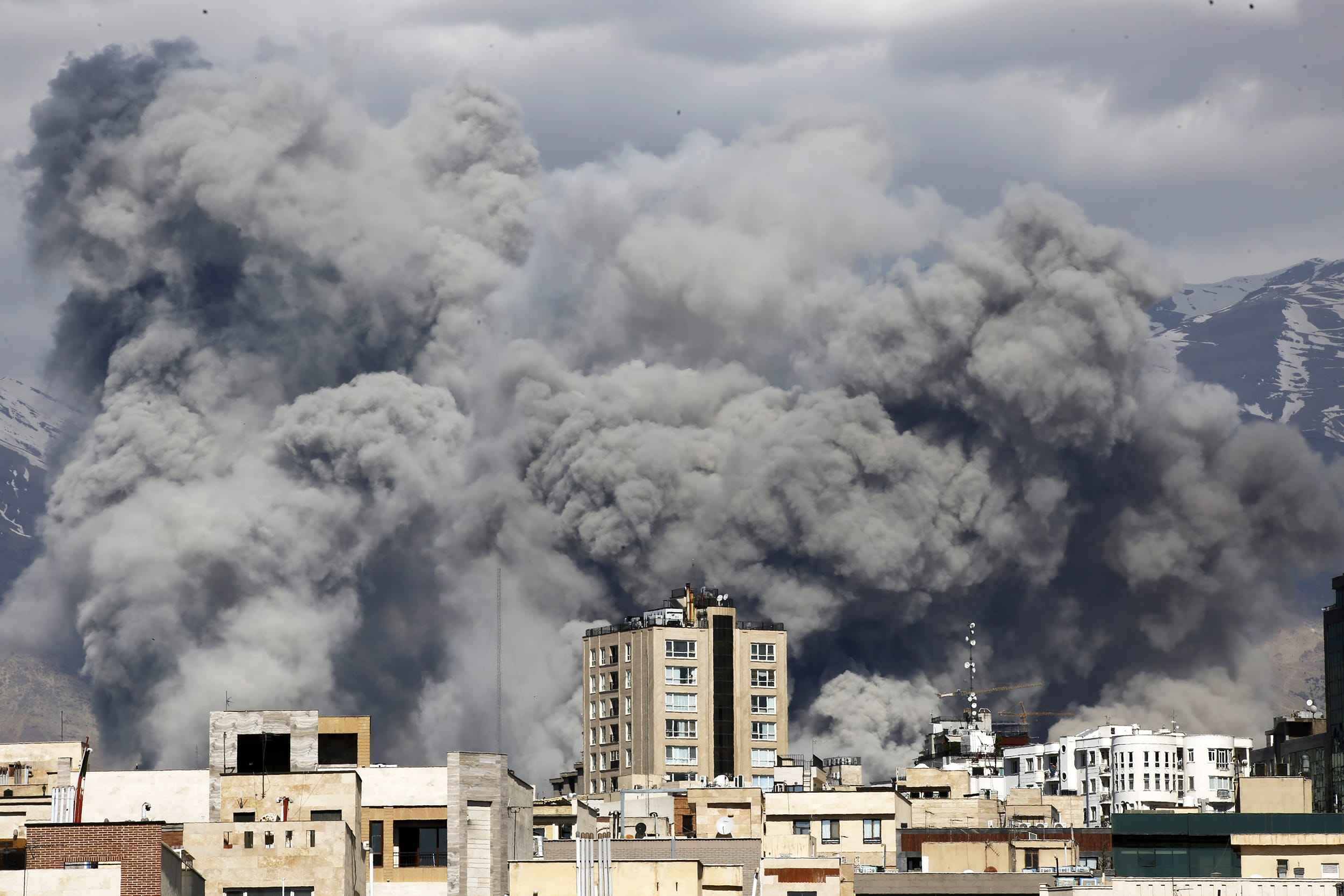
-
Global Diplomacy: Many international observers had hoped that recent developments, such as the change in U.S. administration under President Joe Biden, could lead to a resumption of talks. However, Iran’s outright rejection of negotiations with the U.S. suggests that Tehran is not yet ready to engage diplomatically.
-
European Diplomats: European leaders, who were instrumental in negotiating the nuclear deal, have expressed concern over the growing tensions. They continue to urge both sides to return to the negotiating table to avoid further escalation, particularly regarding Iran’s nuclear ambitions.
Looking Ahead:
-
Continued Stalemate: Larijani’s comments signal that Iran remains committed to resisting U.S. pressure and will likely continue to pursue its own path regarding its nuclear program. The lack of direct diplomacy between the U.S. and Iran further complicates efforts for de-escalation in the region.
-
Potential for Escalation: As the U.S. and Iran remain at odds, the potential for further military confrontations or indirect proxy conflicts in the Middle East grows. The international community remains concerned about the possibility of a broader regional conflict, particularly as Iran continues to expand its influence across the region.