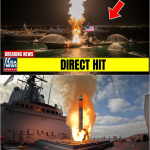
Powerful Explosions Heard in Central Israel Without Warning Sirens
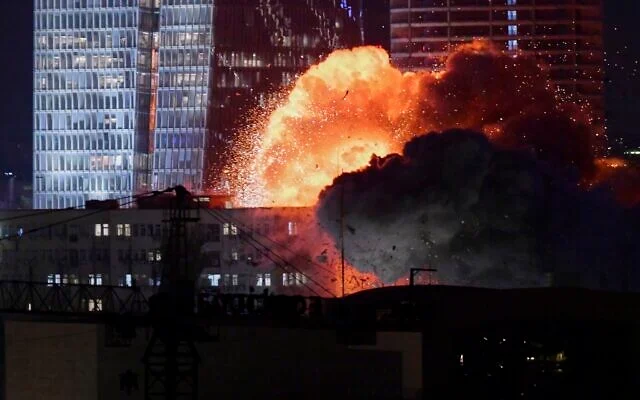
Powerful Explosions Heard in Central Israel Without Warning Sirens
Tel Aviv, Israel — A series of powerful explosions have been reported in central Israel, with loud blasts heard in the heart of Tel Aviv, Petah Tikva, and surrounding areas. The explosions occurred without the typical early warning sirens, raising serious concerns about the origin and scale of the attack.
Initial reports suggest that the explosions were likely caused by rocket fire or a missile strike, although the exact source remains unclear. Emergency responders are currently on the scene, and authorities are investigating whether the blasts were a result of a deliberate attack or a malfunction of intercepted projectiles.
Details of the Explosion:
-
Witnesses reported hearing multiple explosions within a short span of time, followed by plumes of smoke visible across central Israel. The blasts rattled windows and caused minor structural damage to buildings in the affected areas.
-
Local authorities have confirmed that the explosions did not trigger the usual Red Alert sirens that would typically warn civilians of incoming attacks, adding to the confusion and concern about potential vulnerabilities in the country’s air defense systems.
“The explosions were deafening, and there was no siren warning,” said a resident of Tel Aviv. “People are panicking, and we don’t know if this is the start of something bigger.”
Possible Causes:
-
Missile or Rocket Fire: It is believed that the explosions were caused by either ballistic missiles or rocket fire, potentially fired from Lebanon, Syria, or Gaza, all of which have active groups hostile to Israel, including Hezbollah and Palestinian militant factions. The lack of warning sirens could indicate that the projectiles bypassed Israel’s Iron Dome defense system or that they were not detected in time.
-
Internal Incident: There is also speculation that the explosions could be related to an internal incident, possibly involving military operations or equipment malfunction. However, this seems less likely given the scale of the blasts and the absence of a formal announcement.
Emergency Response: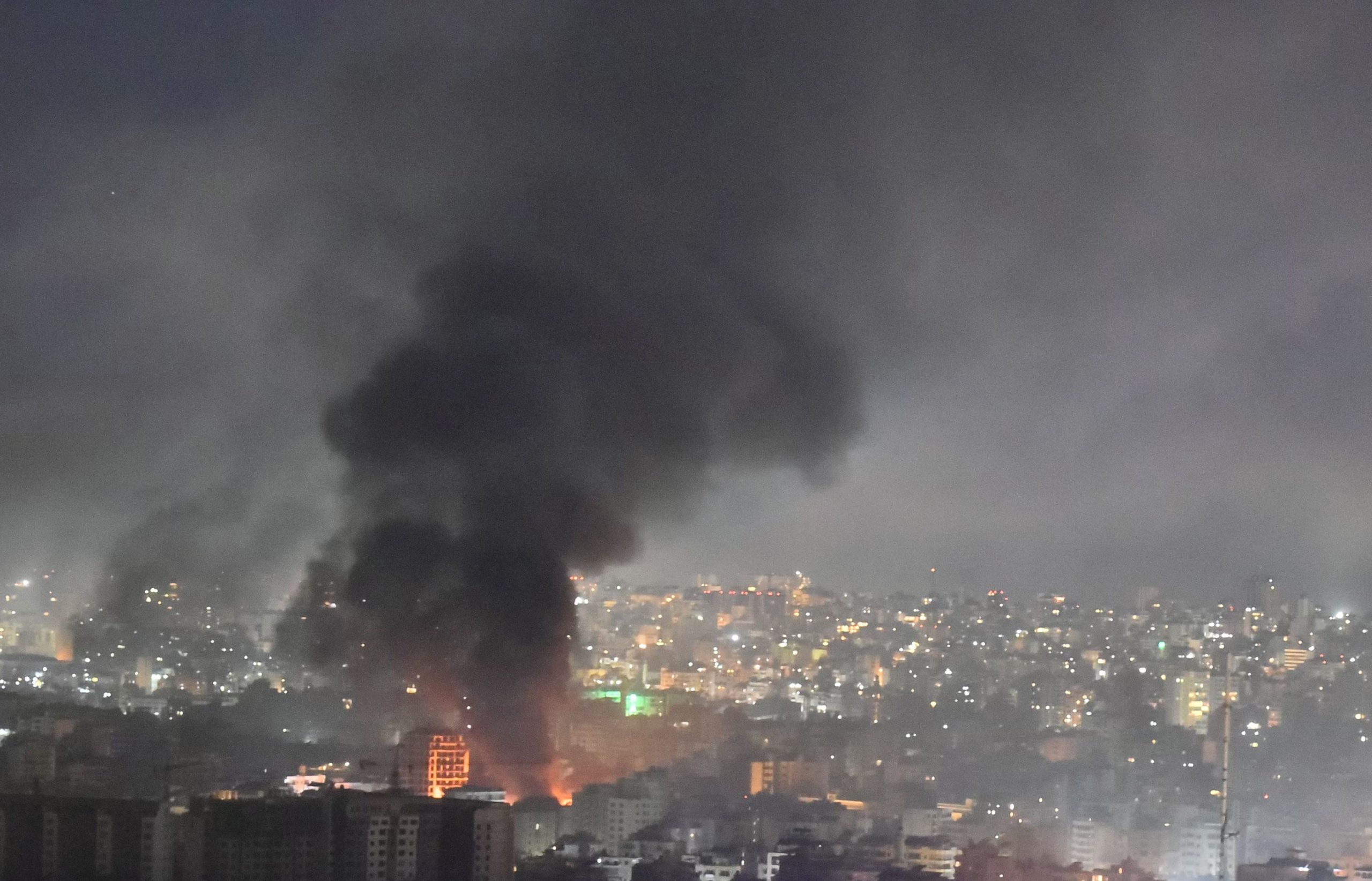
-
Emergency teams have been dispatched to the impacted areas, with fire trucks and ambulances on the scene. Authorities are asking residents to avoid the explosion sites and are advising citizens to stay indoors until further information is available.
-
At least several injuries have been reported, although authorities have not yet confirmed the exact number. The damage to civilian infrastructure is being assessed, with reports indicating fires in some buildings and damage to roads.
Security and Military Assessments:
-
Israel Defense Forces (IDF) are actively investigating the source of the explosions and are on high alert for any follow-up attacks. The IDF has confirmed that they are preparing for further potential threats and have begun reinforcing their missile defense systems in central Israel.
-
Iron Dome interceptors are believed to have engaged incoming rockets, but the absence of warning sirens has raised questions about the effectiveness of the country’s alert systems and whether any attacks managed to evade detection.
Regional Tensions and Potential Culprits:
-
The explosions come amid rising tensions between Israel and its neighbors, particularly Hezbollah in Lebanon and Palestinian militant groups in Gaza. Israel has been on high alert following a string of recent attacks and counterattacks, including airstrikes on Hezbollah targets and clashes in the West Bank.
-
Both Hezbollah and Iran-backed groups have previously carried out missile and rocket attacks against Israel, and this could be another retaliation as part of the broader regional conflict.
International Reactions:
-
International leaders have expressed concern over the rising violence and the potential for further escalation. The United States and European Union have condemned any attacks on Israel’s civilian infrastructure, reaffirming support for Israel’s right to defend itself.
-
The United Nations has called for immediate restraint from all parties, urging dialogue to prevent the situation from spiraling into a wider conflict.
Looking Ahead:
The lack of warning sirens and the timing of the explosions suggest that this may be a significant new threat to Israel’s air defense systems, or a coordinated attack aimed at undermining the country’s security. Israeli officials are likely to respond with increased military action, and the situation remains fluid.
As Israel investigates the source and cause of the explosions, the next steps in the region’s already fragile security landscape could set the stage for further military confrontation.