New Wave of Iranian Missiles Launched Toward Israel, Dubai, Kuwait, and Bahrain
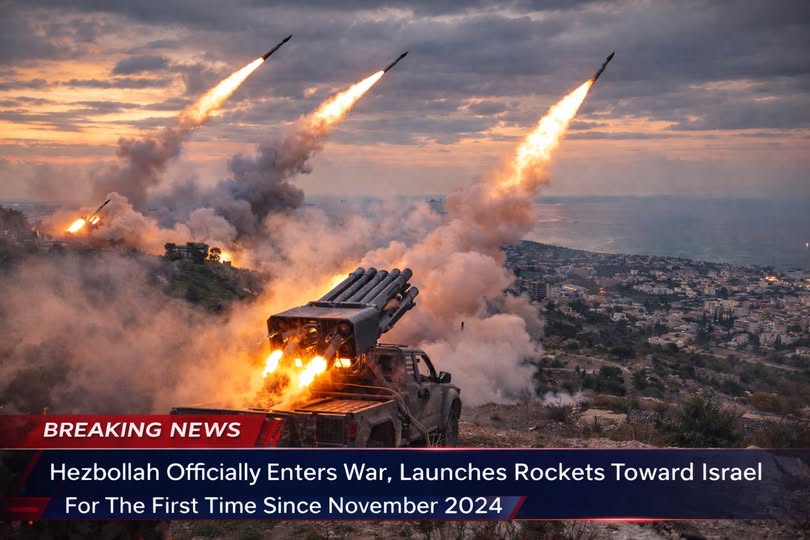
New Wave of Iranian Missiles Launched Toward Israel, Dubai, Kuwait, and Bahrain
Tehran, Iran / Tel Aviv, Israel / Dubai, UAE / Manama, Bahrain — In a dramatic escalation of the ongoing conflict, Iran has launched a new wave of missiles targeting key locations in Israel, Dubai, Kuwait, and Bahrain. The missile strikes, which began early this morning, have sent shockwaves through the Middle East, raising fears of a wider regional war as multiple countries brace for the possibility of further attacks.
The missiles, believed to be a mix of ballistic and cruise missiles, are reportedly aimed at military and civilian infrastructure, with Israel, the UAE, Kuwait, and Bahrain being the primary targets. The strikes are part of an increasingly aggressive strategy by Iran to target U.S. allies and regional foes in retaliation for military operations and the perceived threat posed by Israeli and American forces in the region.
Details of the Missile Attacks
Initial reports suggest that several Iranian missiles have already impacted key sites in the affected countries, triggering air raid sirens and widespread evacuations. While details are still emerging, the following locations are believed to have been targeted:
-
Israel: Iranian missiles have reportedly struck military facilities in Tel Aviv, Haifa, and several other key cities, causing explosions and significant damage. The Israeli Defense Forces (IDF) have activated air defense systems, including the Iron Dome, to intercept incoming projectiles, but at least one missile has reportedly hit a civilian area, causing casualties.
-
Dubai: The UAE city of Dubai, a critical financial hub in the region, has been hit by multiple missile strikes. While the missiles seem to have been aimed at military infrastructure, there are concerns that key economic and civilian targets, including airports and oil facilities, have also been affected.
-
Kuwait: Reports indicate that missiles have struck key U.S. military facilities in Kuwait, including airbases and storage facilities. There is currently no official word on casualties, but the strikes are expected to cause significant disruption to U.S. operations in the region.
-
Bahrain: Iranian missiles have also targeted U.S. military bases in Bahrain, home to the U.S. Navy’s Fifth Fleet. The strikes have reportedly caused fires and explosions at the base, though casualties are still being assessed.
U.S. Military and Diplomatic Response
In response to the missile barrage, the U.S. government has issued a statement condemning Iran’s actions as “unprovoked aggression” and reaffirmed its commitment to defending its allies in the region. U.S. President John Carter has called for an emergency meeting of the National Security Council to discuss military and diplomatic responses.
“The United States will respond to these attacks swiftly and decisively,” President Carter said. “Our commitment to the defense of our allies is unwavering, and Iran’s reckless actions will not go unanswered.”
The U.S. military has already deployed additional assets to the region, including fighter jets and missile defense systems, and has placed its forces on high alert.
Iran’s Justification for the Attacks
Iran’s Supreme Leader, Ayatollah Ali Khamenei, has publicly justified the missile strikes as a response to Israel’s ongoing military operations in Lebanon and Syria, as well as U.S. support for regional adversaries. In a televised address, Khamenei stated that the attacks were “a necessary step in defending the sovereignty of the Islamic Republic” and warned that more strikes would follow if U.S. and Israeli forces continued their military actions.
“This is a direct response to the continued aggression and occupation by Israel and its American backers,” Khamenei said. “We will continue to defend our people and interests with all means at our disposal.”
International Reactions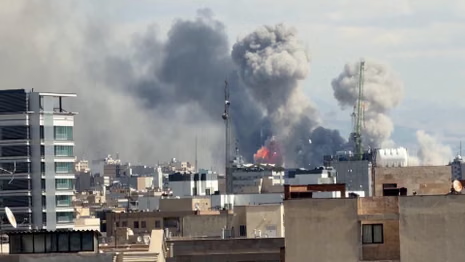
The international community has expressed deep concern over the escalating violence, with calls for immediate ceasefire and restraint from both sides. The United Nations has convened an emergency session to address the crisis and discuss potential measures to de-escalate the situation.
“The world cannot afford a wider regional war,” said a UN spokesperson. “We urge all parties to engage in dialogue and prioritize the protection of civilian lives.”
NATO allies have reaffirmed their support for U.S. and Israeli defense efforts, while also calling for diplomatic engagement to avoid further escalation. Several Middle Eastern countries, including Saudi Arabia and Qatar, have condemned Iran’s actions, calling for an immediate halt to the missile strikes.
Looking Ahead
As the situation continues to unfold, the potential for further missile strikes remains high. Iran has warned that its response will intensify if Israeli and U.S. military operations do not cease. In the wake of this new missile wave, both military and civilian populations in the affected countries are preparing for further attacks.
The international community is bracing for the next steps in this rapidly escalating conflict. With tensions rising across the Middle East, the coming days could determine whether the situation will stabilize or spiral into a full-scale regional war.