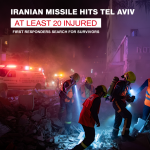
Smoke Rising Following Iranian Strike on U.S. Base in Bahrain
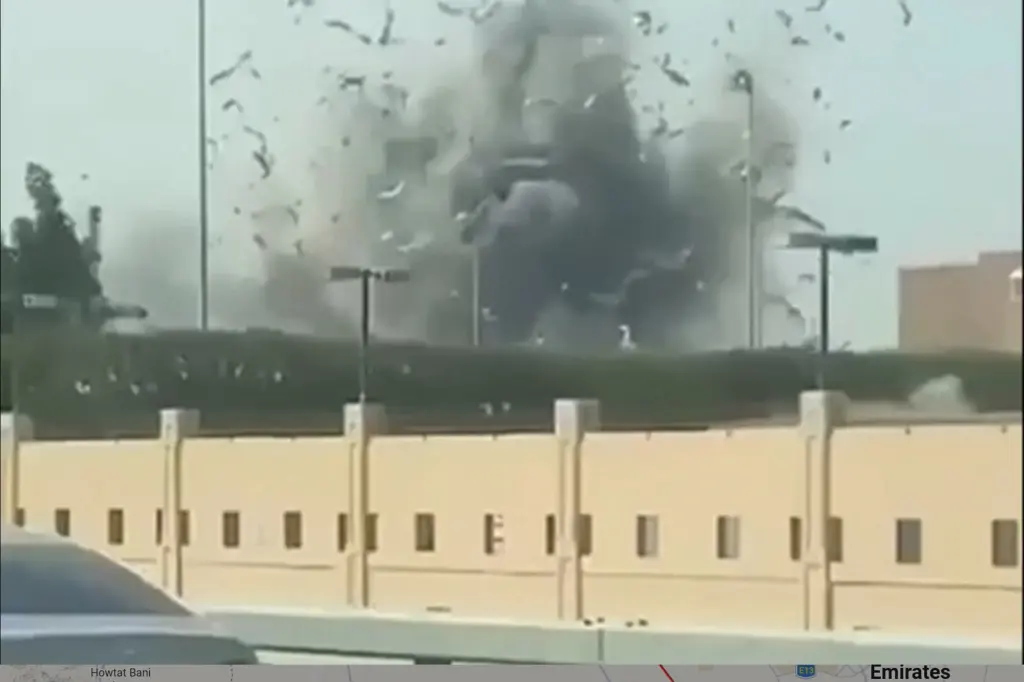
Smoke Rising Following Iranian Strike on U.S. Base in Bahrain
Manama, Bahrain / Washington, D.C. — A missile strike launched by Iran has hit a U.S. military base in Bahrain, causing significant explosions and sending thick smoke rising from the site. The attack, which occurred earlier today, has sparked immediate concern about the increasing volatility in the region and the potential for further escalation between the U.S. and Iran.
Initial reports indicate that the strike targeted a key U.S. base in Bahrain, a crucial site for American operations in the Gulf. The U.S. military has confirmed the attack, though it has not yet provided details on casualties or the full extent of the damage.
Details of the Attack
Iranian state media confirmed responsibility for the missile strike, which is believed to have been launched from Iranian territory. The missile, reportedly a Shahab-3 ballistic missile, struck the U.S. military base in Bahrain, causing fires and explosions at the facility. The impact has left heavy smoke rising into the sky, visible from several miles away.
The U.S. base in Bahrain serves as a hub for American air and naval operations in the region, particularly as part of the U.S. Navy’s Fifth Fleet. The attack has led to significant disruption, with emergency crews already on the scene to assess the damage and evacuate personnel if needed.
U.S. Military’s Response
U.S. defense officials have acknowledged the attack and are conducting a damage assessment. While there have been no confirmed reports of casualties at this time, the Pentagon has heightened security at U.S. military facilities in the region in response to the strike.
“We are actively assessing the situation and will take the necessary steps to ensure the security of our personnel and assets in the region,” a U.S. defense spokesperson stated. “Iran’s continued acts of aggression will not go unanswered.”
U.S. officials have not confirmed whether any of the base’s missile defense systems, such as the C-RAM or Patriot defense systems, intercepted incoming projectiles, but the attack has caused significant damage, particularly in non-defense infrastructure.
Iran’s Justification for the Strike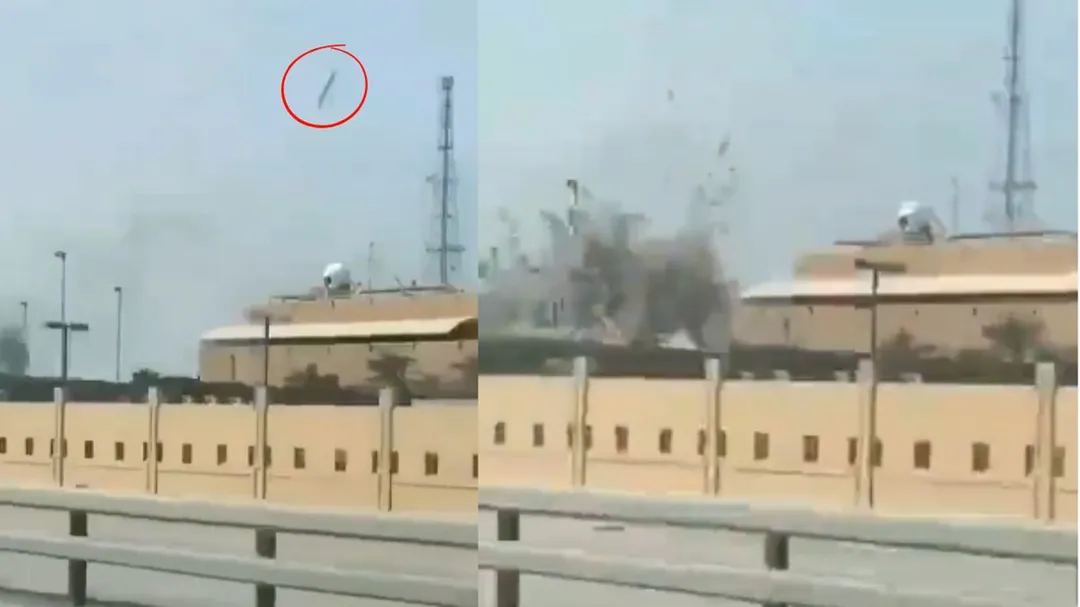
In a statement from the Iranian Revolutionary Guard Corps (IRGC), the strike was framed as a warning to the United States for its continued military presence in the Middle East. Iranian officials have repeatedly warned that they would target U.S. military sites in the region in response to any aggression or perceived interference in Iranian affairs.
“This strike is a direct response to U.S. operations in the region, which are a threat to Iran’s sovereignty and regional security,” an IRGC spokesperson stated. “If the U.S. does not cease its military presence, more strikes will follow.”
Iran has long viewed the U.S. presence in Bahrain and other Gulf states as a strategic threat, particularly given the proximity to Iran’s borders and its influence in the region. The missile strike underscores the growing risks of regional conflict as U.S.-Iran tensions continue to rise.
International Reactions
The strike has drawn swift reactions from both the U.S. and its allies. The United States has condemned the attack as an “unprovoked act of aggression,” with President John Carter reaffirming the U.S. commitment to protecting its forces and interests in the region.
“We stand with our allies and will defend our forces wherever they are threatened,” President Carter said in a statement. “Iran’s actions are a direct violation of international norms, and we will hold them accountable.”
The United Nations has expressed concern over the escalation, calling for both sides to exercise restraint and return to diplomatic negotiations. “The risk of further escalation is high, and we urge both Iran and the U.S. to engage in dialogue to prevent a broader conflict,” a UN spokesperson said.
Looking Ahead
As the situation continues to develop, analysts predict that further Iranian strikes on U.S. military targets could follow. The strike on Bahrain’s U.S. base marks a significant escalation in the ongoing U.S.-Iran conflict, with both sides bracing for potential retaliation.
The U.S. military is on high alert in the region, and further attacks could increase the likelihood of a larger military confrontation between the two countries. As heavy smoke continues to rise from the attack site, the world watches closely, hoping for de-escalation but fearing the growing risks of a broader conflict.