Peru’s Three-Fingered “Mummies”: Ongoing Scientific Debate
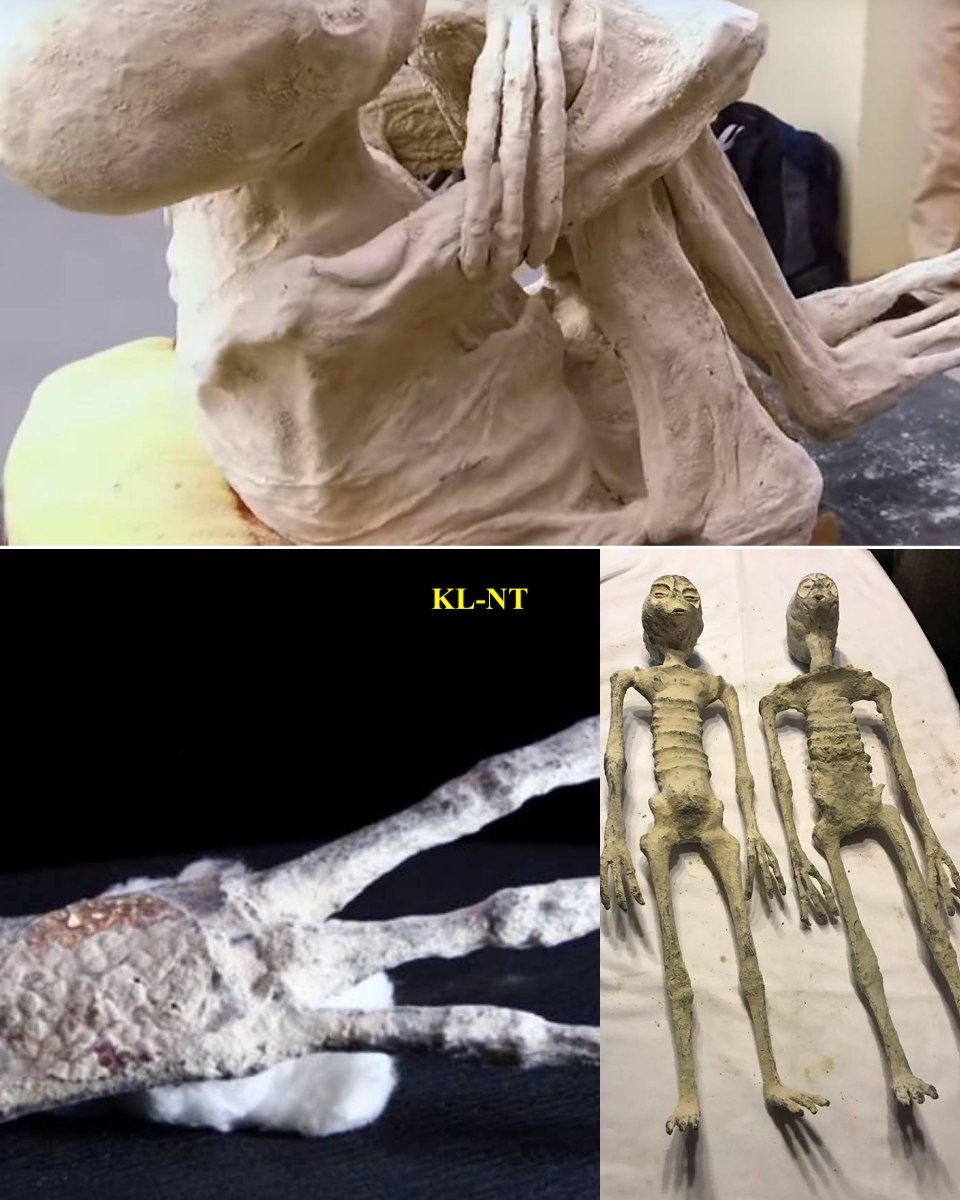
Since 2017, reports of peculiar elongated bodies with only three fingers and three toes have emerged from the Nazca region of Peru. Promoters of the finds, including journalist Jaime Maussan, recently presented specimens to the Mexican Congress, claiming that DNA testing and X-ray analysis suggest these beings do not belong to the human evolutionary tree.
However, international experts in archaeology, forensics, and bio-anthropology are raising serious red flags.
Constructed Anomalies?
The primary concern among mainstream scientists is that these “aliens” may actually be “frankenstein” creations—biological hoaxes assembled from a mix of ancient and modern materials.
Detailed forensic reviews have highlighted several anatomical impossibilities:
-
Inconsistent Skeletal Structure: Independent X-ray analysis has shown that some of the hand and foot bones appear to be placed backward or belong to different individuals, including animals.
-
Skin and Coatings: The “skin” of some specimens has been described by researchers as a synthetic mixture of paper, glue, and soil, used to hide the joints where different bones were connected.
-
Elongated Skulls: While the skulls are indeed elongated, archaeologists note that “cranial deformation” was a well-documented cultural practice among ancient Peruvian peoples, such as the Paracas culture, and does not indicate non-human biology.

Legal and Ethical Concerns
Peruvian authorities and the Ministry of Culture have taken a firm stance against the promotion of these bodies. Officials have warned that many of these specimens likely involve the desecration of genuine pre-Hispanic human remains.
“These are not aliens,” a spokesperson for Peru’s forensic institute recently stated during a press conference. “They are dolls made of animal and human bones joined together with modern synthetic glue.” The removal of such remains from archaeological sites is a criminal offense in Peru, leading to ongoing legal investigations into how these objects were “discovered” and transported.
The Search for Proof
While those who believe in the extraterrestrial origin of the mummies call for further independent DNA testing, mainstream researchers emphasize the need for transparency. To date, no peer-reviewed study in a major scientific journal has confirmed the non-human status of the remains.
As it stands, the “alien mummies” of Peru remain a classic example of the tension between sensationalist media and rigorous scientific verification. Until verifiable, peer-reviewed data proves otherwise, these figures are viewed by the global scientific community as either tragic misinterpretations of ancient remains or deliberate fabrications.