The Mortal Face of Immortality: Meeting Ramesses II Beyond the Legend
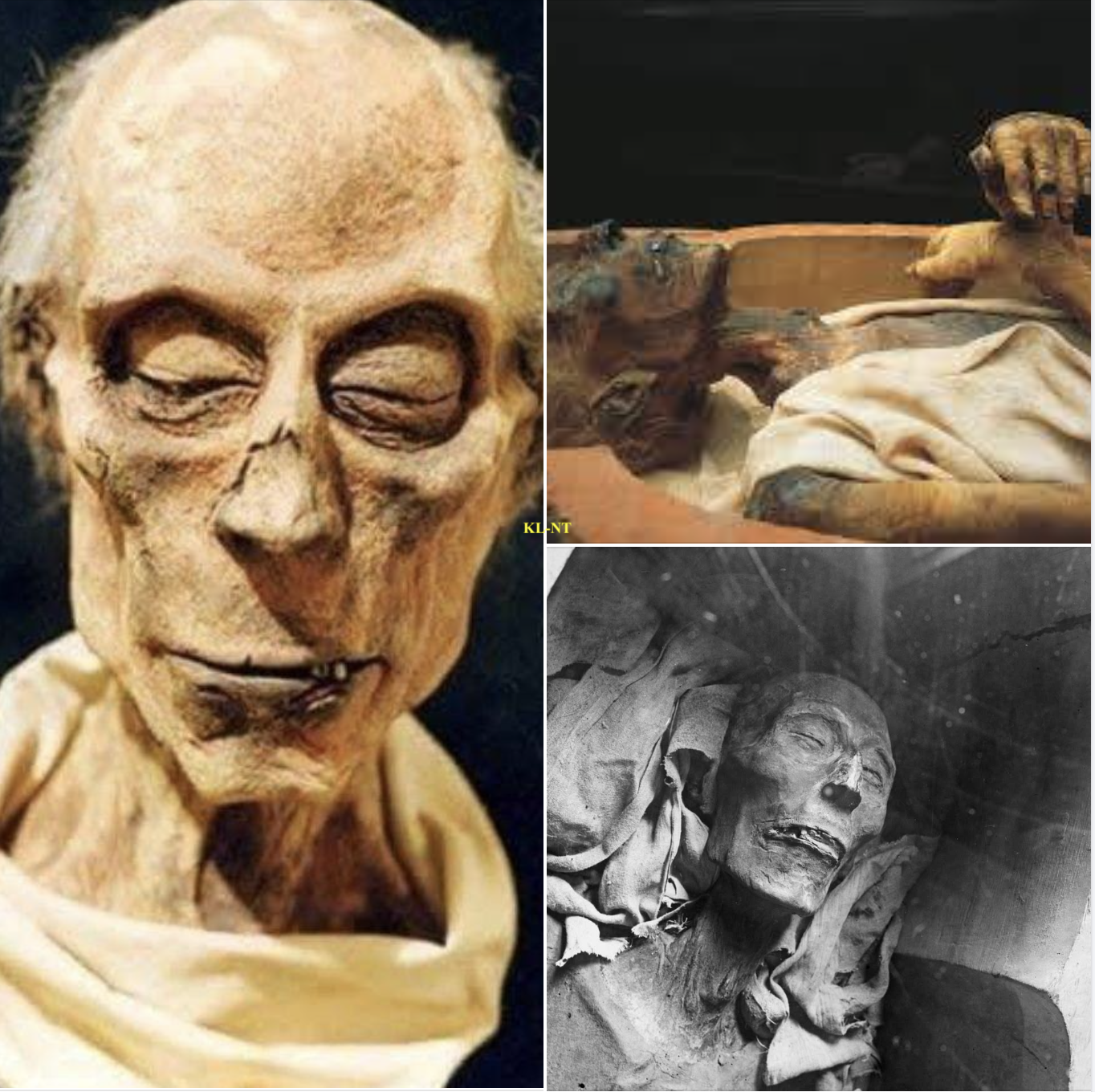
For over 3,000 years, the name Ramesses II has been synonymous with the peak of Egyptian power. Known to history as “Ramesses the Great,” he was a pharaoh who commanded vast armies, signed the world’s first recorded peace treaty, and reshaped the landscape of the Nile with monuments like Abu Simbel and the Ramesseum.
Yet, when one stands before his remarkably preserved remains today, the image of the god-king fades, replaced by something much more profound: a human being.
The Man Behind the Monuments
Ramesses II ascended to the throne in his teens and ruled for an astonishing 66 years (c. 1279–1213 BCE), outliving many of his own children and subjects. During his reign, he was depicted in towering stone statues as an eternal, unshakeable youth.
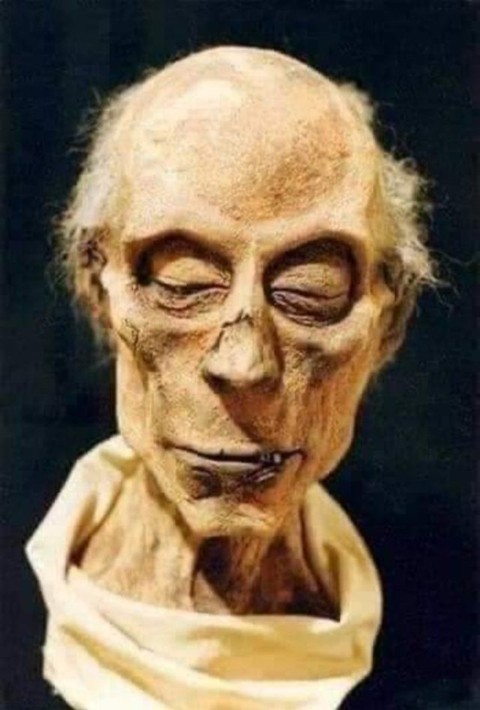
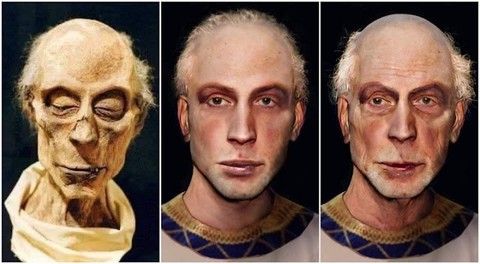
However, modern forensic analysis of his mummy—rediscovered in the Deir el-Bahari cache in 1881—reveals a more complex story. The mummified face shows a man who lived to be about 90 years old. He had a prominent, hooked nose, a strong jawline, and, surprisingly, traces of ginger-red hair. The physical evidence also speaks to his endurance; in his later years, the Great King suffered from arthritis and dental abscesses, reminding us that the “Living God” faced the same realities of aging as any of his people.
The Art of Eternal Rest
The preservation of Ramesses II is a masterpiece of ancient Egyptian mummification. To the Egyptians, preserving the physical body was not merely about vanity; it was a religious necessity. They believed that the soul (Ka) needed a recognizable home to return to in order to achieve eternal life.
Through the careful removal of organs and the use of natron salt for desiccation, priests ensured that Ramesses would survive the “Second Death” of being forgotten. Today, the serenity of his closed eyes and the set of his features offer a bridge across three millennia, making the Bronze Age feel as personal as the present day.
A Legacy in Stone and Skin
While his monuments still rise under the Egyptian sun, enduring as some of the most visited sites on Earth, his preserved face quietly teaches a different lesson. It is a story of transition—from the clamor of the battlefield at Kadesh to the silence of the tomb.
Standing before his remains in the Grand Egyptian Museum, visitors are struck by a timeless truth: while glory and gold may fade into the dust of the desert, the human story—one of endurance, aging, and the quest for legacy—is what truly endures. Ramesses II wanted to live forever through his temples, but perhaps his greatest victory is the quiet, human connection he still makes with every person who looks upon his face today.