The Mark on the Sphinx: Why History is More Grounded Than the Headlines
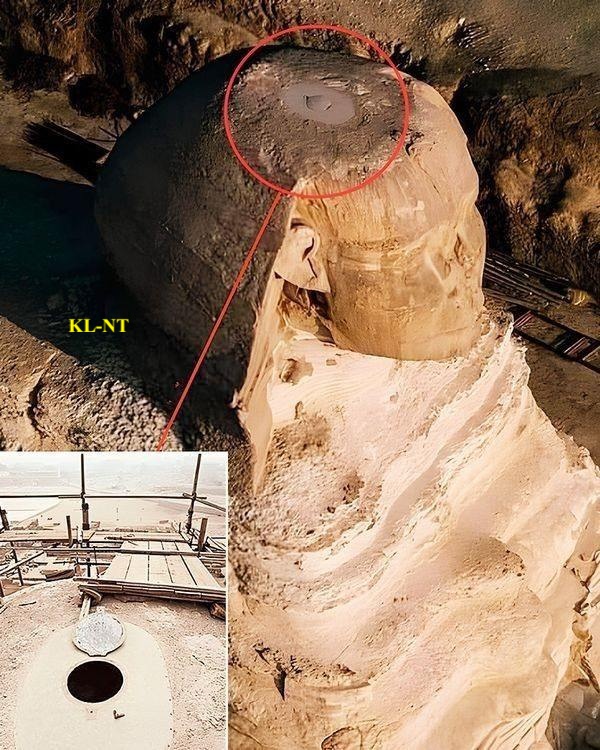
The Great Sphinx of Giza, a monumental figure carved from a single ridge of limestone around 2500 BCE, has long been the center of world fascination and, inevitably, wild speculation. Recently, images of a distinct circular mark on top of the Sphinx’s head have gone viral, with theorists claiming it is evidence of “alien drilling” or a secret gateway to hidden chambers.
However, archaeologists and conservationists have a much more earthly explanation for the feature. Here is the truth behind the mark on the world’s most famous monument.
The Reality of the Restoration Shaft
While it might look mysterious to the untrained eye, experts confirm that the circular opening is a modern restoration shaft. Over the last century, the Sphinx has faced significant structural challenges due to its age and the environment.
-
Erosion and Decay: Having stood for over 4,500 years, the Sphinx has suffered from wind erosion, shifting sands, and fluctuating groundwater levels.
-
Engineering Stability: During conservation efforts in the 20th century, engineers and archaeologists created several shafts and access points—including the one on the head—to monitor the internal stability of the limestone and to pump in specialized mortars to reinforce the structure from the inside out.

A History of Healing the Monument
The Great Sphinx has never actually been “finished” or left alone; it has been a work in progress for millennia.
-
Ancient Efforts: Even during the New Kingdom, Pharaoh Thutmose IV cleared the sands and performed repairs.
-
Modern Interventions: Major restorations in the 1920s and 1980s used modern materials to prevent the head from separating or collapsing due to fissures in the bedrock. The visible mark is a direct result of these preservation projects, designed to ensure the monument survives for another 4,000 years.
The “Secret Chambers” Myth
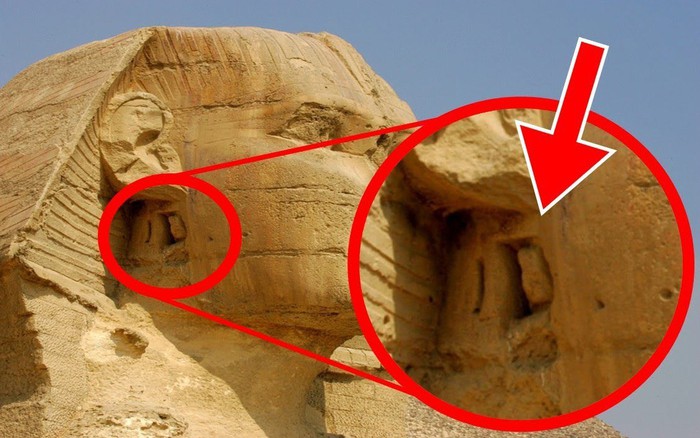
The idea of a “Hall of Records” or alien tunnels beneath the Sphinx is a popular trope in science fiction, but decades of ground-penetrating radar (GPR) and seismic surveys have yet to reveal any evidence of extraterrestrial involvement or hidden high-tech voids. While there are small natural voids and man-made tunnels (mostly dug by treasure hunters in the 19th century), they are well-documented by the Egyptian Ministry of Tourism and Antiquities.
The Verdict
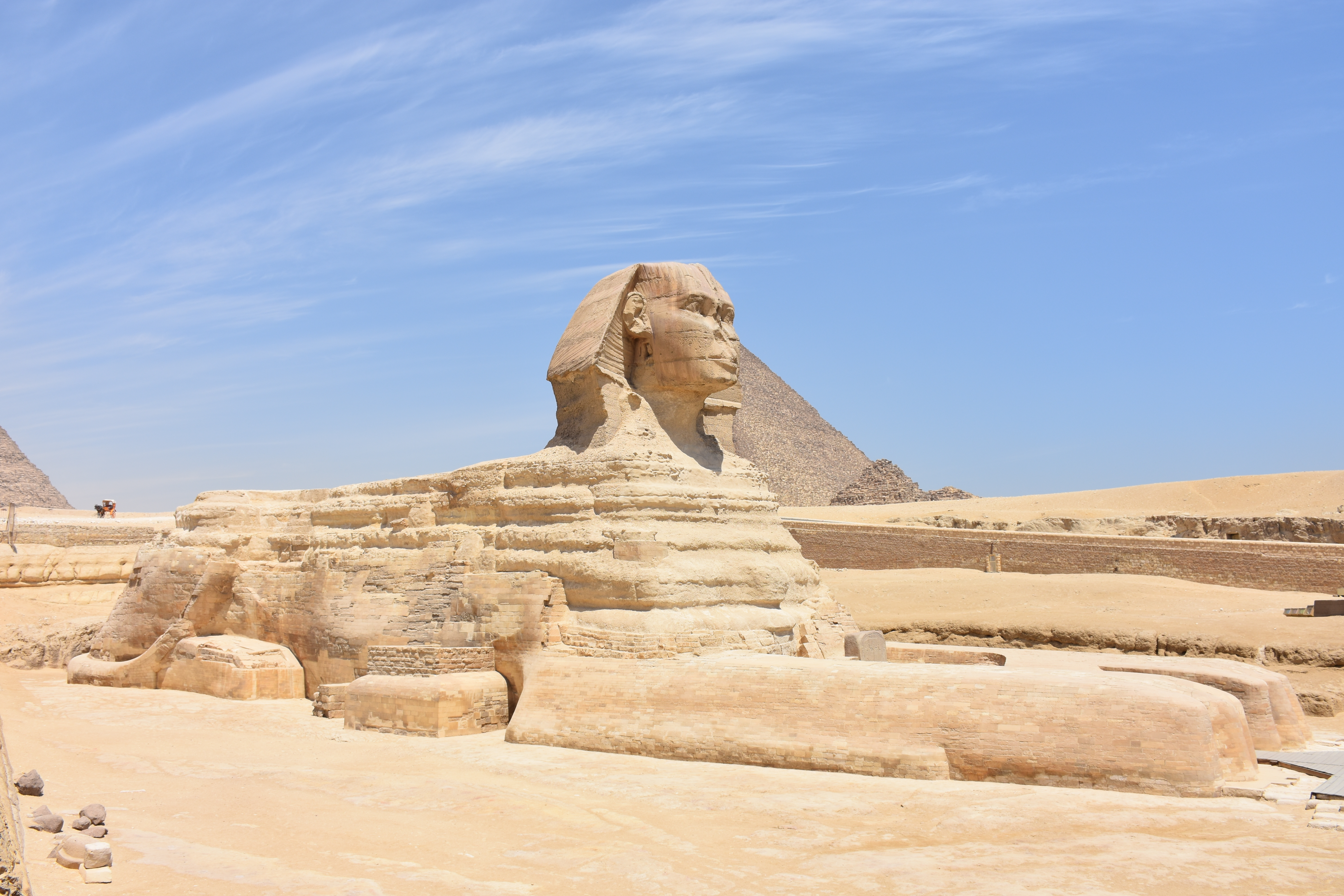
The mark on the Sphinx’s head isn’t a sign of an ancient alien visit; it is a scar of human dedication. It represents the tireless work of archaeologists and restorers who are fighting to keep one of the Seven Wonders of the Ancient World standing against the relentless march of time.
As with most archaeological mysteries, the documented history of preservation provides a far more impressive story than the speculation found online.