Richard III: The King Rediscovered
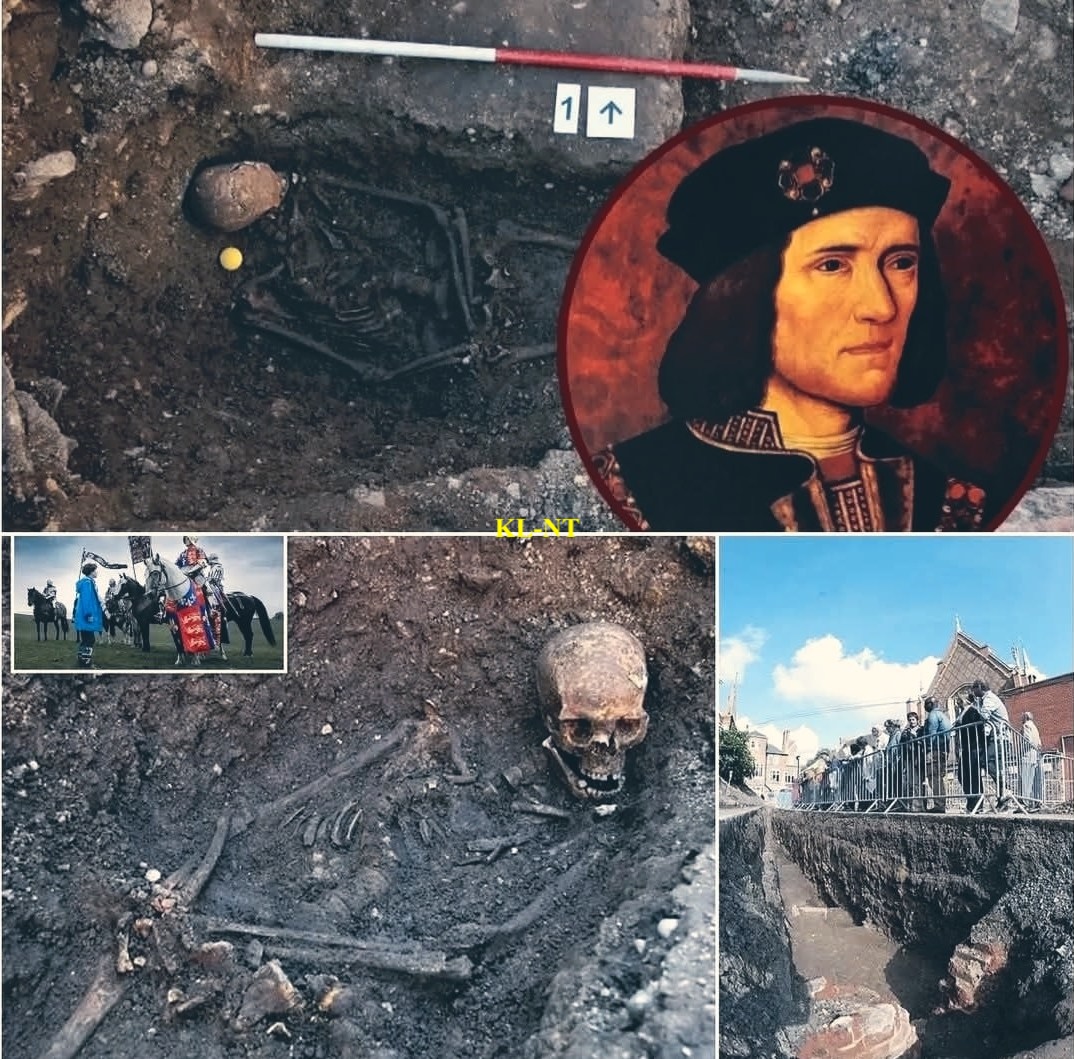
For over 500 years, one of the greatest mysteries of the British monarchy lay buried beneath a mundane layer of asphalt. After King Richard III fell at the Battle of Bosworth in 1485, the location of his remains vanished from the historical record. While legends suggested his body had been thrown into the River Soar, the truth remained hidden until a team of determined archaeologists looked in the most unlikely of places: a social services parking lot in Leicester.
The Search for the Lost Friary
In August 2012, archaeologists from the University of Leicester, in partnership with the Richard III Society, began an ambitious dig. Their goal was to locate the Grey Friars, a medieval friary where history suggested the king might have been buried in haste.
Within the first few hours of excavation, the team uncovered a human skeleton. The remains were found in the choir area of the long-lost church, buried in a grave that was slightly too short for the body, suggesting a hurried interment without a coffin or shroud.
Forensic Evidence of a Warrior King
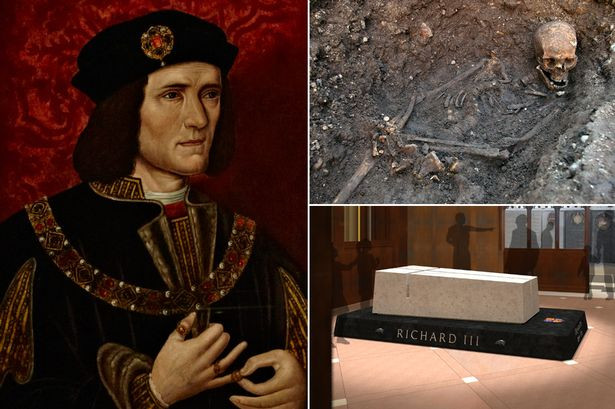
The skeleton provided immediate, startling clues that aligned with the historical accounts of Richard III. Most notably, the spine showed a pronounced curvature, confirming that the King suffered from scoliosis. This discovery humanized a monarch often depicted as a “hunchbacked” villain in Shakespearean drama, proving he had a physical deformity but was still a capable warrior.
Further forensic analysis revealed the brutality of his final moments:
-
Battle Trauma: The skull showed eight distinct injuries, including two massive wounds to the base of the head likely caused by a halberd or sword.
-
Humiliation Injuries: Several wounds appeared to have been inflicted after death, consistent with reports that his body was mistreated as it was stripped and carried back to Leicester.
Scientific Confirmation
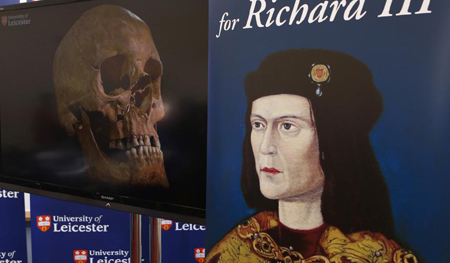
To achieve absolute certainty, scientists turned to modern genetics. In a groundbreaking feat of bio-archaeology, researchers extracted mitochondrial DNA from the bones and compared it with living descendants of Richard’s sister, Anne of York. The match was conclusive, confirming the identity “beyond reasonable doubt.”
A King Reinterred
The discovery did more than just find a missing person; it allowed historians to strip away centuries of Tudor propaganda and reassess Richard III’s short reign. His remains were no longer a forgotten casualty of the Wars of the Roses.
In March 2015, thousands of people lined the streets of Leicester as Richard III was taken to his final, dignified resting place. Today, he lies in a custom-designed tomb in Leicester Cathedral, a monarch finally recovered from the shadows of history.