Middle East Crisis: Is Iran Holding Back and Waiting for the Right Moment?
- NgocTram
- March 2, 2026
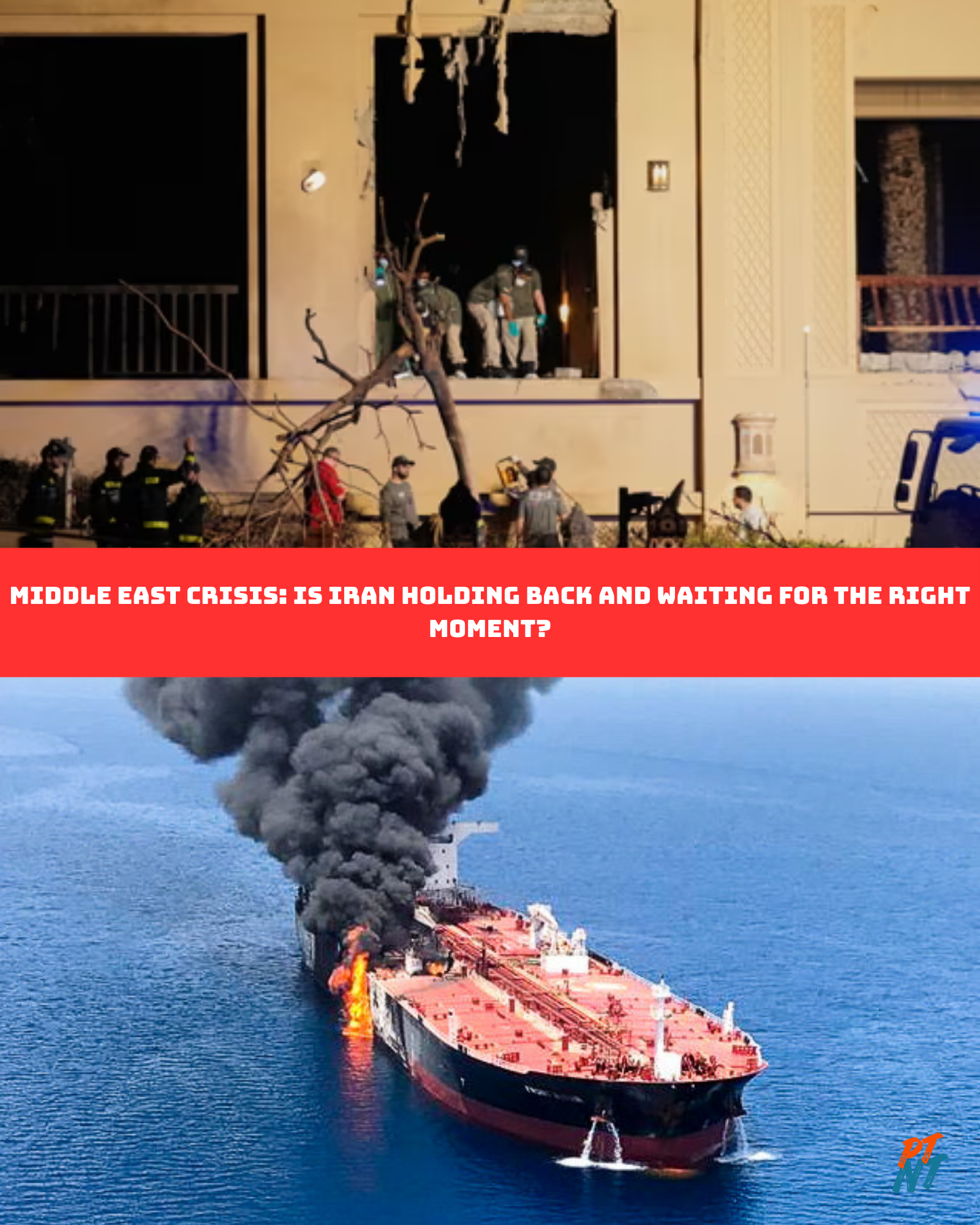
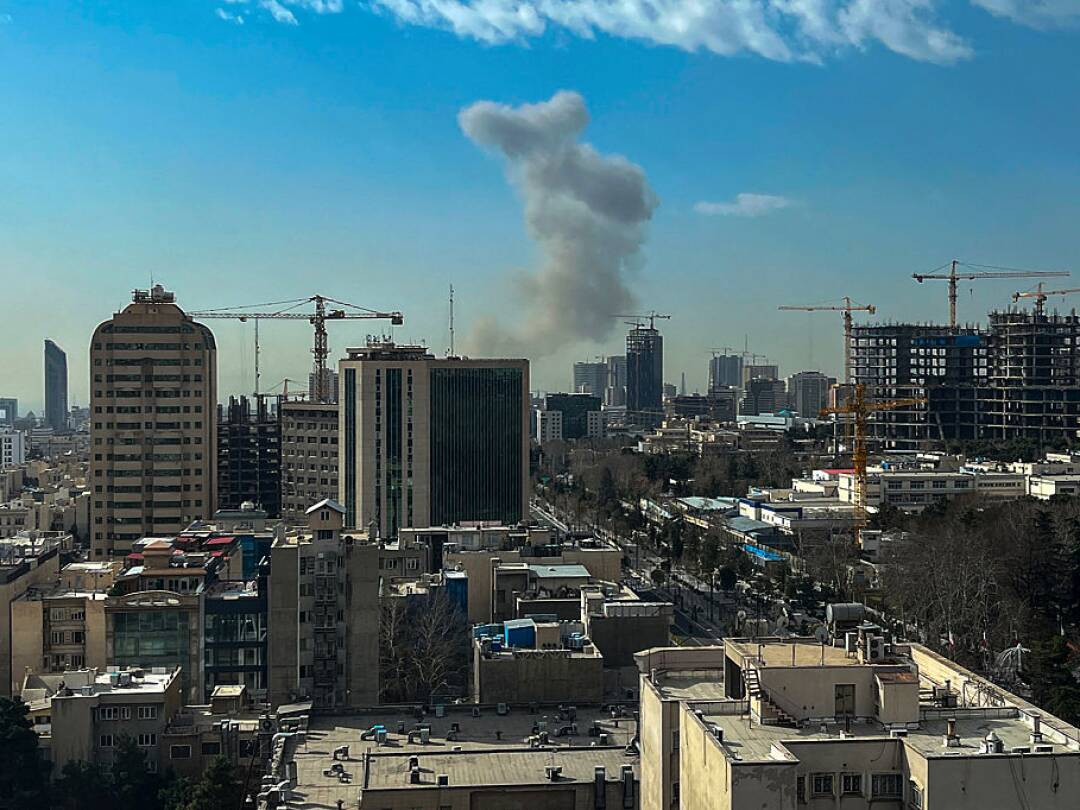
The crisis in the Middle East is entering a new and increasingly tense phase, as Iran faces mounting military, economic, and diplomatic pressure from multiple fronts. However, rather than engaging in full-scale confrontation, Tehran appears to be adopting a strategy of restraint — a calculated and familiar approach.
Amid airstrikes, sanctions, and rising tensions with Israel and Western powers, Iran seems focused on maintaining internal stability while avoiding direct escalation. This suggests that the country may be “buying time” to strengthen its military capabilities, adapt to sanctions, and wait for shifts in the global balance of power.
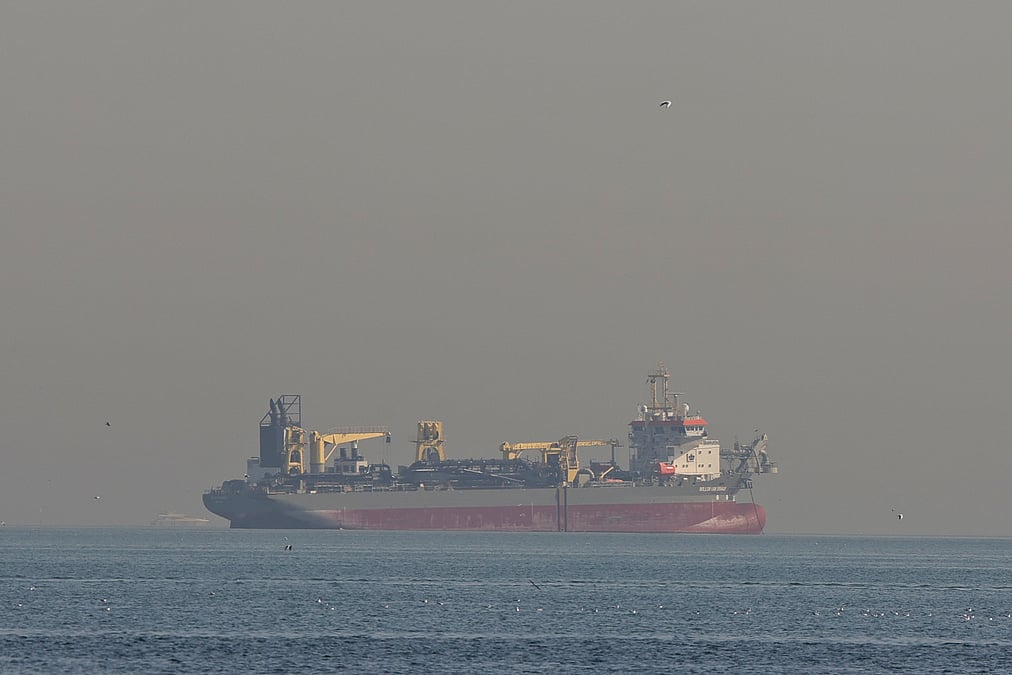
The economic factor is crucial. Prolonged sanctions have forced Iran to find ways to sustain oil exports and stabilize its domestic market. Avoiding large-scale conflict helps Tehran reduce the risk of deeper isolation and severe economic damage.
At the same time, Iran may be pursuing a strategy of “strategic patience” — refraining from immediate retaliation while preserving the ability to respond when conditions become more favorable. This approach aligns with how Iran has acted during previous periods of heightened tension.
However, this strategy is not without risks. Prolonged instability could lead to unintended incidents, especially in sensitive hotspots such as the Strait of Hormuz or areas with heavy military presence.
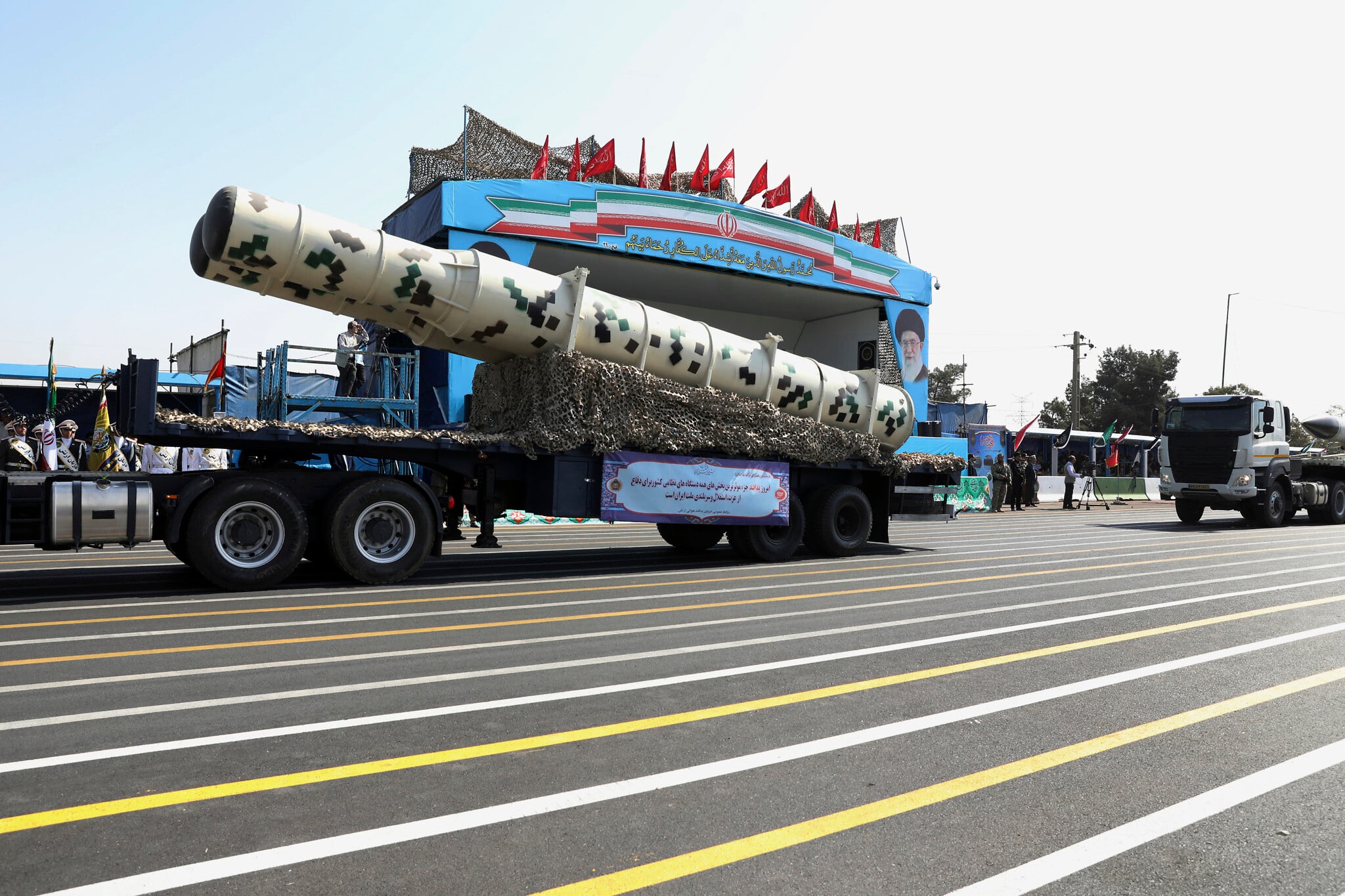
In essence, Iran may not be weakening, but rather stepping back to move forward later. The key question remains: is Tehran waiting for a diplomatic opening, or preparing for a more decisive move in the future?