The Panama Canal: At the Center of U.S.–China Rivalry in Latin America
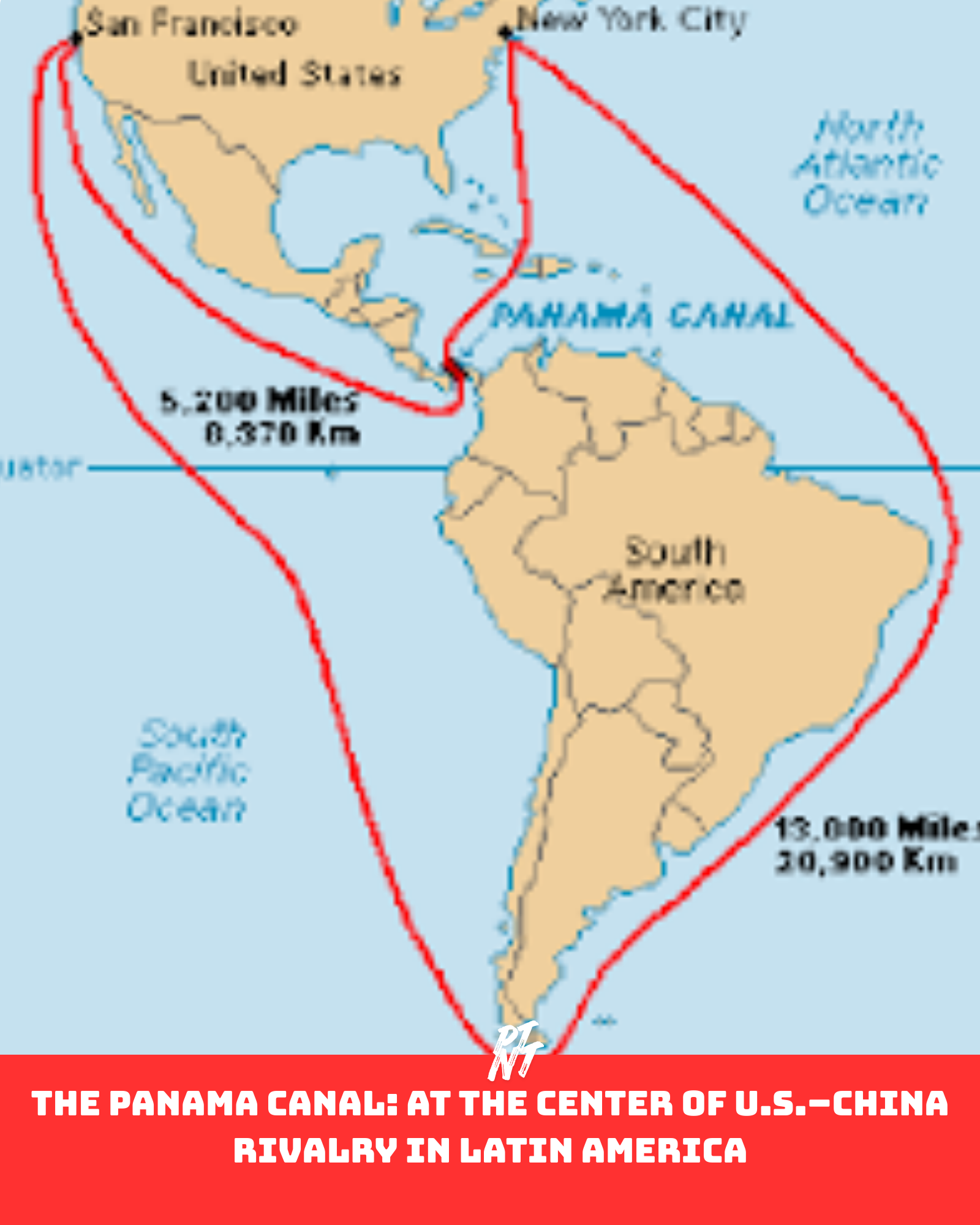
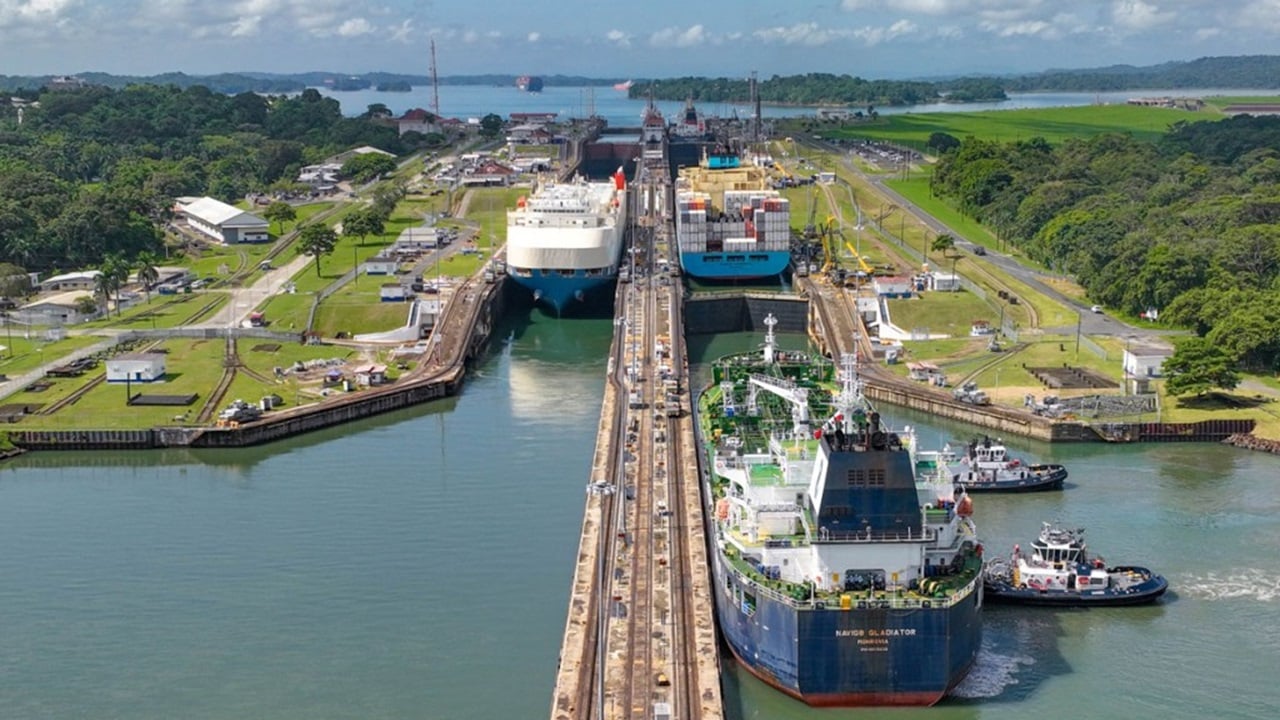
Historically, the United States played a central role in constructing and controlling the canal until its transfer to Panama in 1999. Today, however, Washington is increasingly concerned about Beijing’s expanding economic footprint in the region, particularly through infrastructure investments linked to the Belt and Road Initiative.
Chinese companies have been involved in port operations, logistics, and construction projects near the canal, raising alarms in U.S. policy circles about potential strategic leverage. While Panama maintains that these partnerships are purely commercial, critics argue they could carry long-term geopolitical implications.
For its part, the United States continues to view the canal as vital to its national security and economic interests. American officials have emphasized the need to maintain open access and prevent any single external power from exerting undue influence over the waterway.
The growing rivalry places Panama in a delicate position. As a small but strategically crucial nation, it must balance economic opportunities from China with longstanding political and security ties to the United States.
As global trade routes evolve and great-power competition intensifies, the Panama Canal stands not just as an engineering marvel—but as a symbol of shifting influence in Latin America.