THE CONVERSATION via AP — After US and Israeli missiles struck Iran’s nuclear sites in June 2025, Tehran responded with a limited attack on the American airbase in Qatar. Five years before that, a US drone strike against Qasem Soleimani, head of the powerful Islamic Revolutionary Guard Corps Quds Force, was followed by an attack on two American bases in Iraq shortly thereafter.
Expect none of that restraint by Iran’s leaders following the latest US and Israeli military operation currently playing out in the Gulf nation.
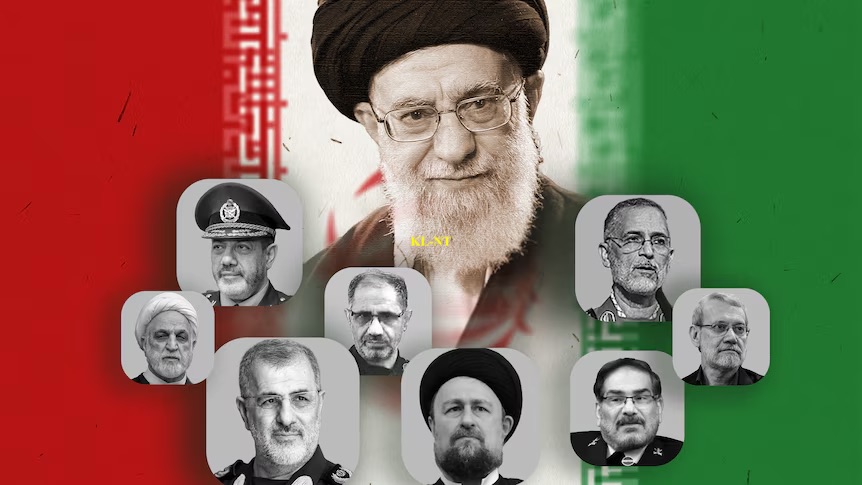
In the early hours of Feb. 28, 2026, hundreds of missiles struck multiple sites in Iran, including a compound housing Supreme Leader Ayatollah Ali Khamenei, who Iranian state media later confirmed had died in the attack.
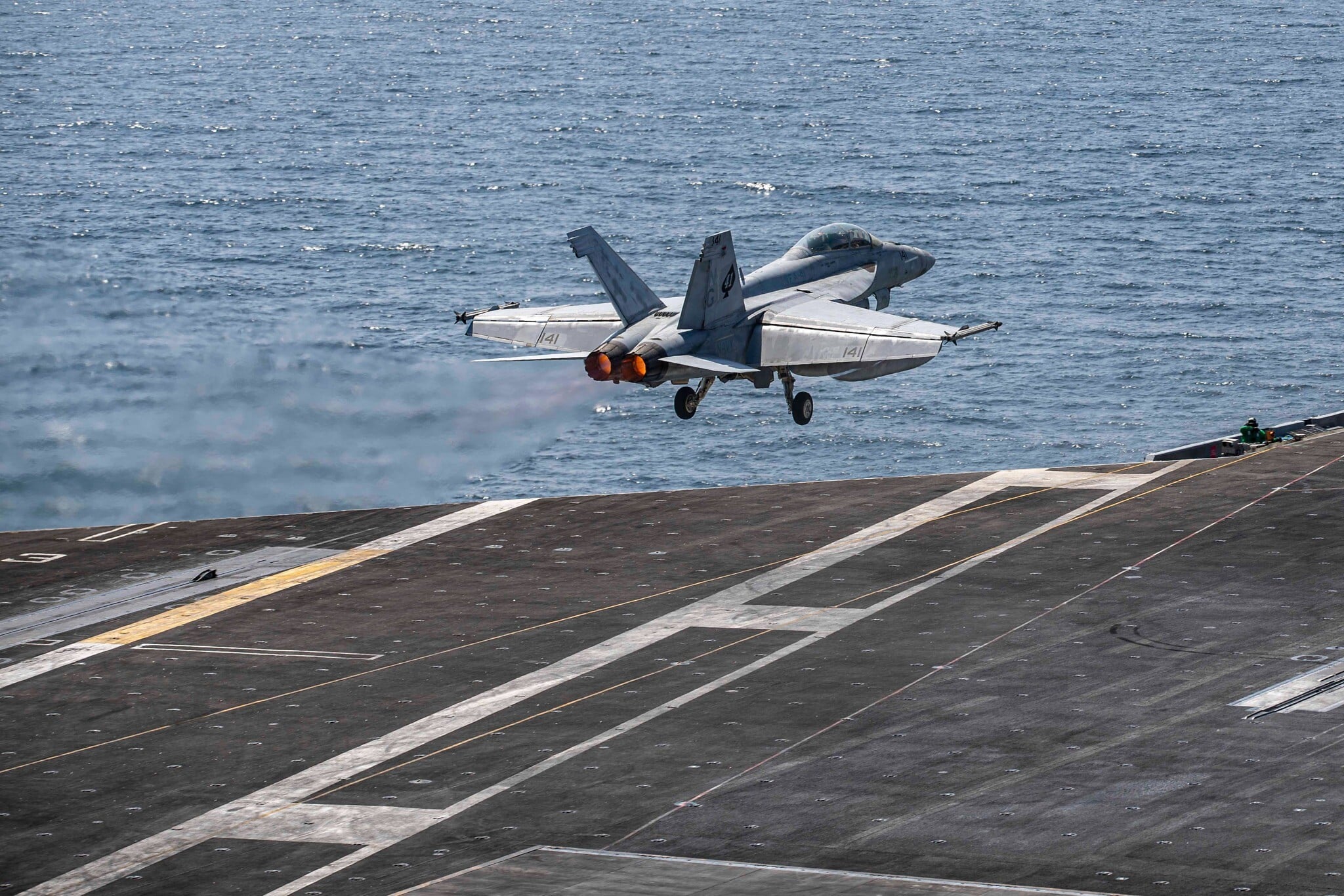
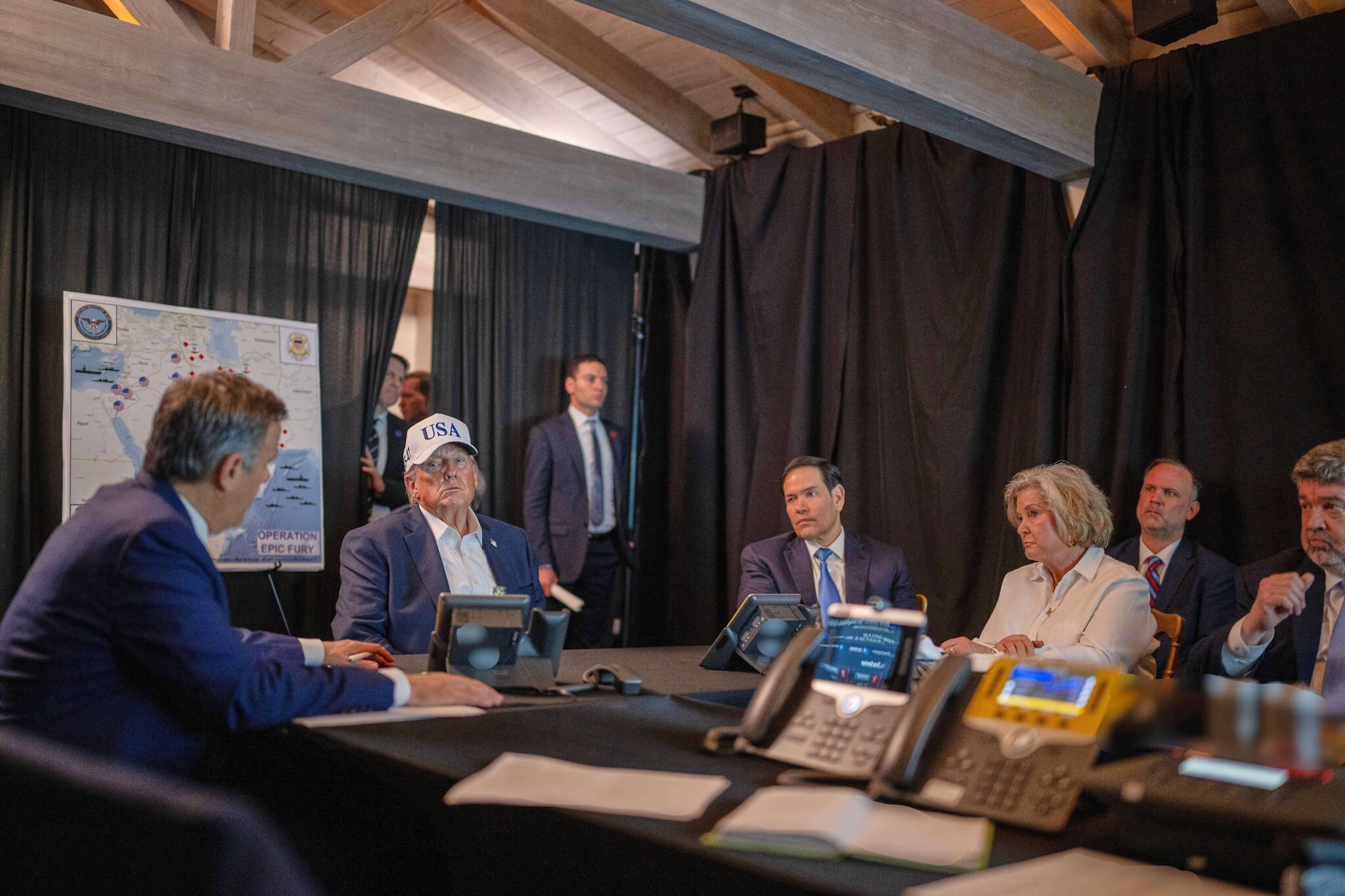
“Operation Epic Fury,” as the US Department of Defense has called the strikes, follows months of US military buildup in the region. But it also come after apparent diplomatic efforts, in the shape of a series of nuclear talks in Oman and Geneva aimed at a peaceful resolution.
Any such deal is surely now completely off the table. In scale and scope, the US and Israel attack goes far beyond any previous strikes on the Gulf nation.
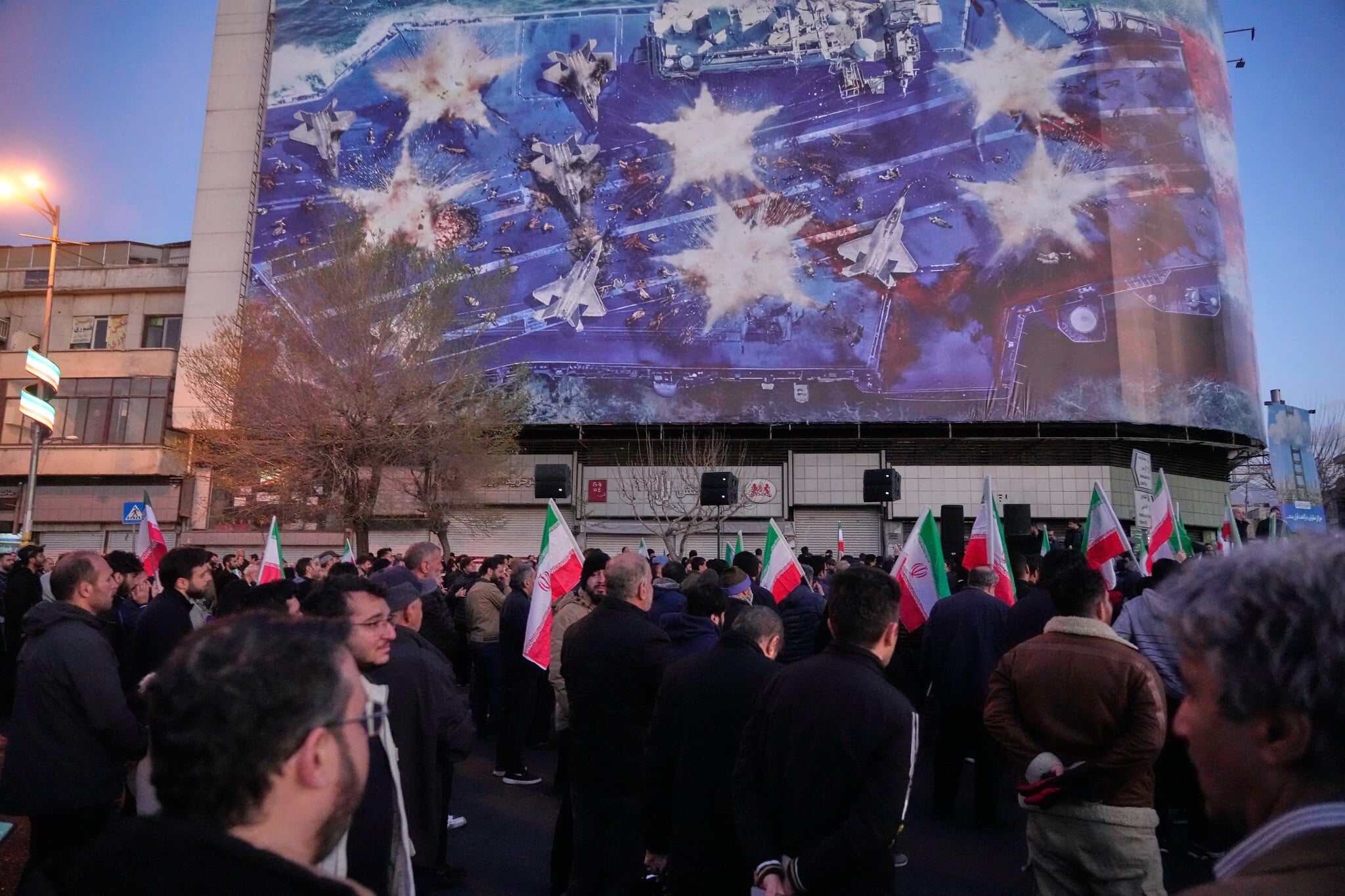
In response, Iran has said it will use “crushing” force. As an expert on Middle East affairs and a former senior official at the National Security Council during the first Trump administration, I believe the calculus both in Washington and more so in Tehran is very different from earlier confrontations: Iran’s leaders almost certainly see this as an existential threat given US President Donald Trump’s statement and the military campaign already underway. And there appears to be no obvious off-ramp to avoid further escalation.
What we should expect now is a response from Tehran that utilizes all of its capabilities – even though they have been significantly degraded. And that should be a worry for all nations in the region and beyond.
The apparent aims of the US operation
It is important to note that we are in the early stages of this conflict – much is unknown.
Who in Iran’s leadership will survive, and to what extent Iran’s ballistic missile capabilities have been degraded, is not yet known. The fact that ballistic missiles have been launched at regional states that host US military bases suggests that, at a minimum, Iran’s military capabilities have not been entirely wiped out.
Iran fired over 600 missiles against Israel last June during their 12-day war, but media reporting and Iranian statements over the past month suggested that Iran managed to replenish some of its missile inventory, which it is now using.
Clearly Washington is intent on crippling Iran’s ballistic program, as it is that capability that allows Iran to threaten the region most directly. A sticking point in the negotiations in Geneva and Oman was US officials’ insistence that both Iran’s ballistic missiles and its funneling of support to proxy groups in the region be on the table, along with the longstanding condition that Tehran ends all uranium enrichment.
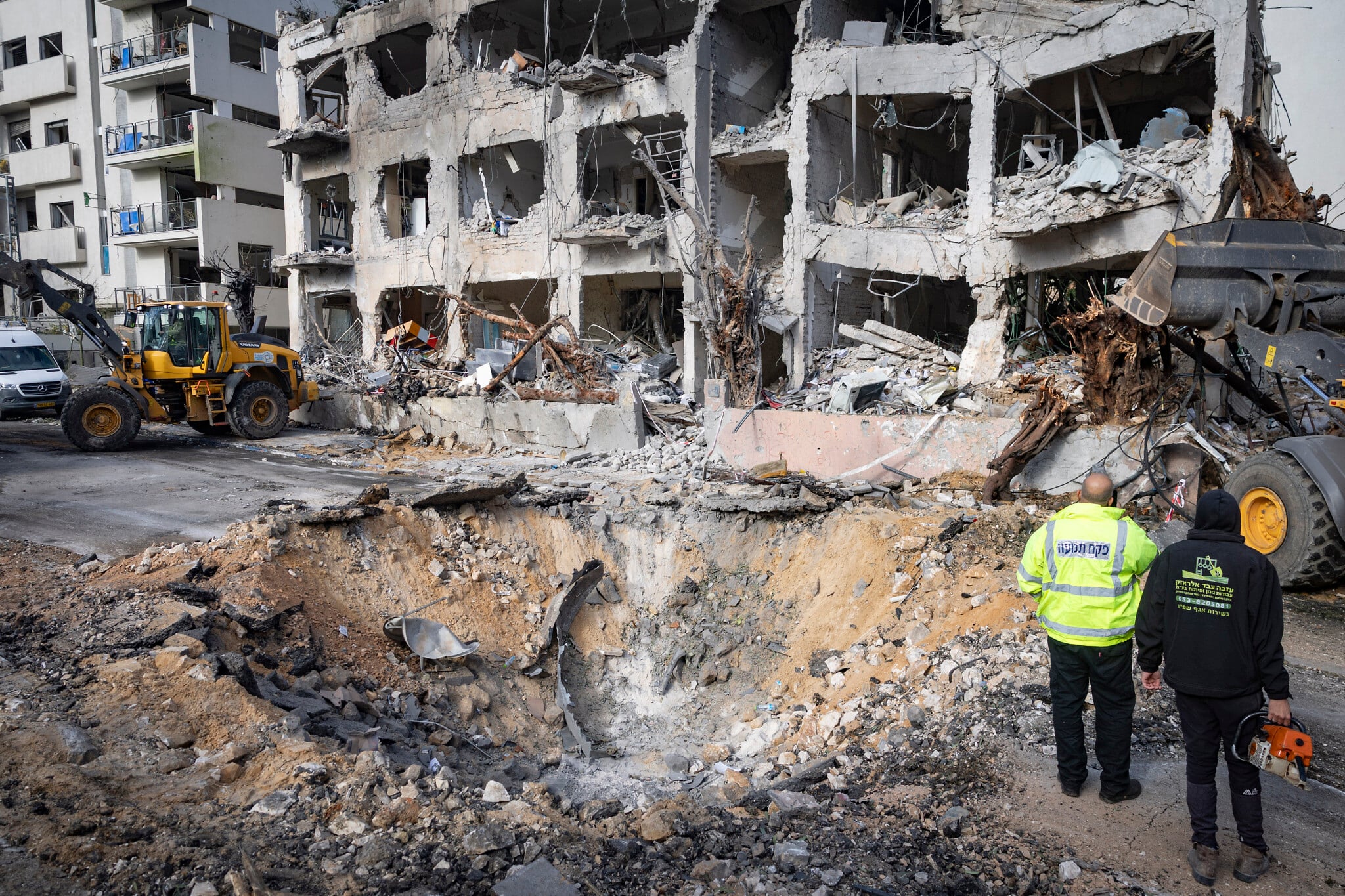
Tehran has long resisted attempts to have limits on its ballistic missiles as part of any negotiated nuclear deal given their importance in Iran’s national security doctrine.
This explains why some US and Israeli strikes appear to be aimed at taking out Iran’s ballistic and cruise missile launch sites and production facilities and storage locations for such weapons.
With no nuclear weapon, Iran’s ballistic missiles have been the country’s go-to method for responding to any threat. And so far in the current conflict, they have been used on nations including, besides Israel, the United Arab Emirates, Qatar, Kuwait, Bahrain and Oman.
‘It will be yours to take’
But the Trump administration appears to have expanded its aims beyond removing Iran’s nuclear and non-nuclear military threats. The latest strikes have gone after leadership, too, taking out Khamenei alongside other key members of the regime.
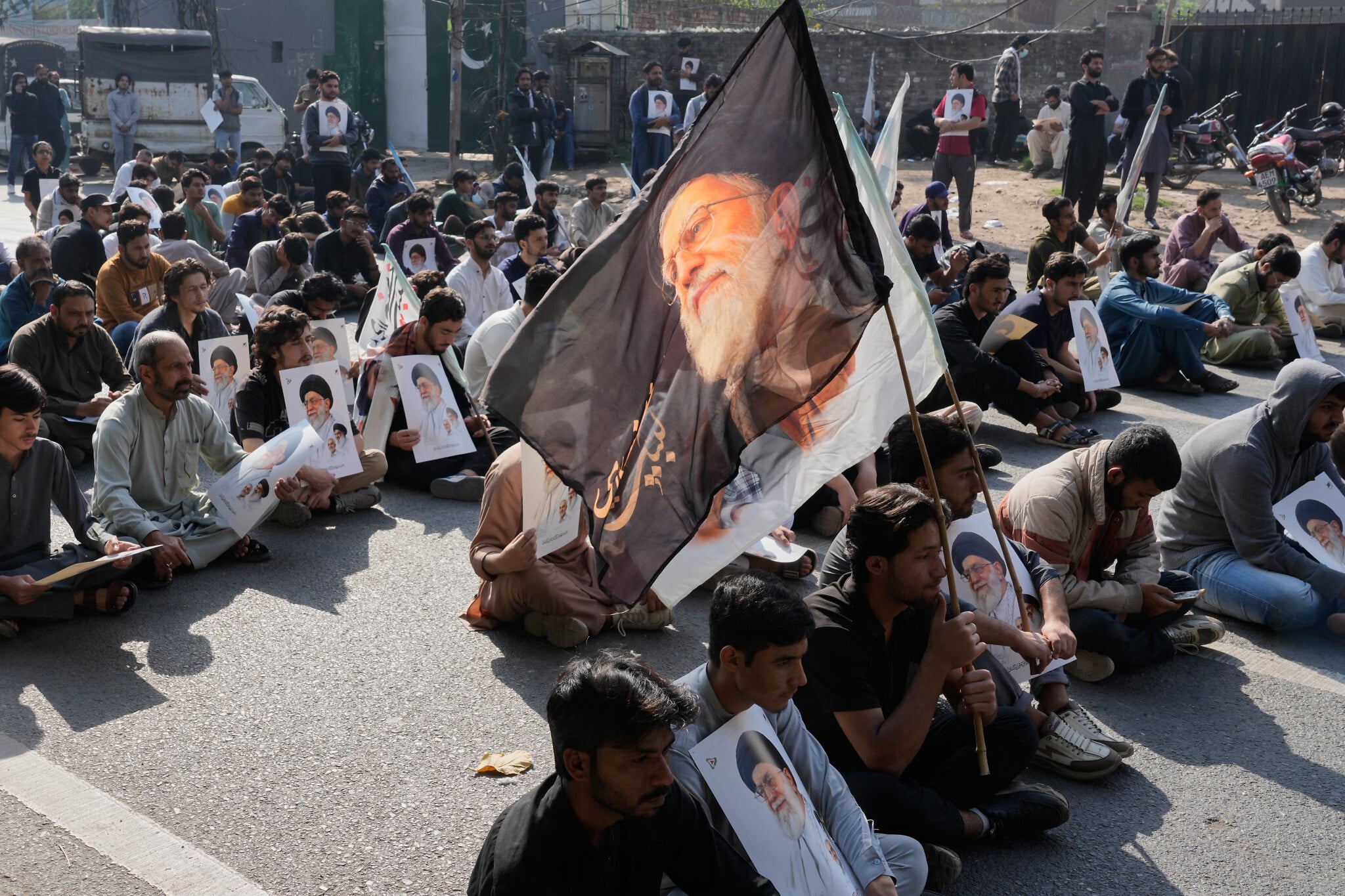
It is clear that the US administration hopes that regime change will follow Operation Epic Fury.
“When we are finished, take over your government. It will be yours to take,” Trump told Iranians via a video message recorded during the early hours of the attack.
Move carries risks for Trump
Signaling a regime change operation may encourage Iranians unhappy with decades of repressive rule and economic woes to continue where they left off in January, when hundreds of thousands took to the street to protest.
But it carries risks for the US and its interests. Iran’s leaders will no longer feel constrained, as they did after the Soleimani assassination and the June 2025 conflict. On those occasions, Iran responded in a way that was not even proportionate to its losses — limited strikes on American military bases in the region.
Now the gloves are off, and each side will be trying to land a knockout blow. But what does that constitute? The US administration appears to be set on regime change. Iran’s leadership will be looking for something that goes beyond its previous retaliatory strikes — and that likely means American deaths. That eventuality has been anticipated by Trump, who warned that there might be American casualties.
So why is Trump willing to risk that now? It is clear to me that despite talk of progress in the rounds of diplomatic talks, Trump has lost his patience with the process.
What happens next
What we don’t know is whether the US strategy is now to pause and see if an initial round of strikes has forced Iran to sue for peace — or whether the initial strikes are just a prelude to more to come.
For now, the diplomatic ship appears to have sailed. Trump seems to have no appetite for a deal now — he just wants Iran’s regime gone.
In order to do that, he has made a number of calculated gambles. First, politically and legally: Trump did not go through Congress before ordering Operation Epic Fury. Unlike 23 years ago when president George W. Bush took the US into Iraq, there is no war authorization giving the president cover.
Instead, White House lawyers must have assessed that Trump can carry out this operation under his Article 2 powers to act as commander in chief. Even so, the 1973 War Powers Act will mean the clock is now ticking. If the attacks are not concluded in 60 days, the administration will have to go back to Congress and say the operation is complete, or work with Congress for an authorization to use force or a formal declaration of war.
The second gamble is whether Iranians will heed his call to remove a regime that many have long wanted gone. Given the ferocity of the regime’s response to the protests in January, which resulted in the deaths of thousands of Iranians, are Iranians willing to face down Iran’s internal security forces and drive what remains of the regime from power?
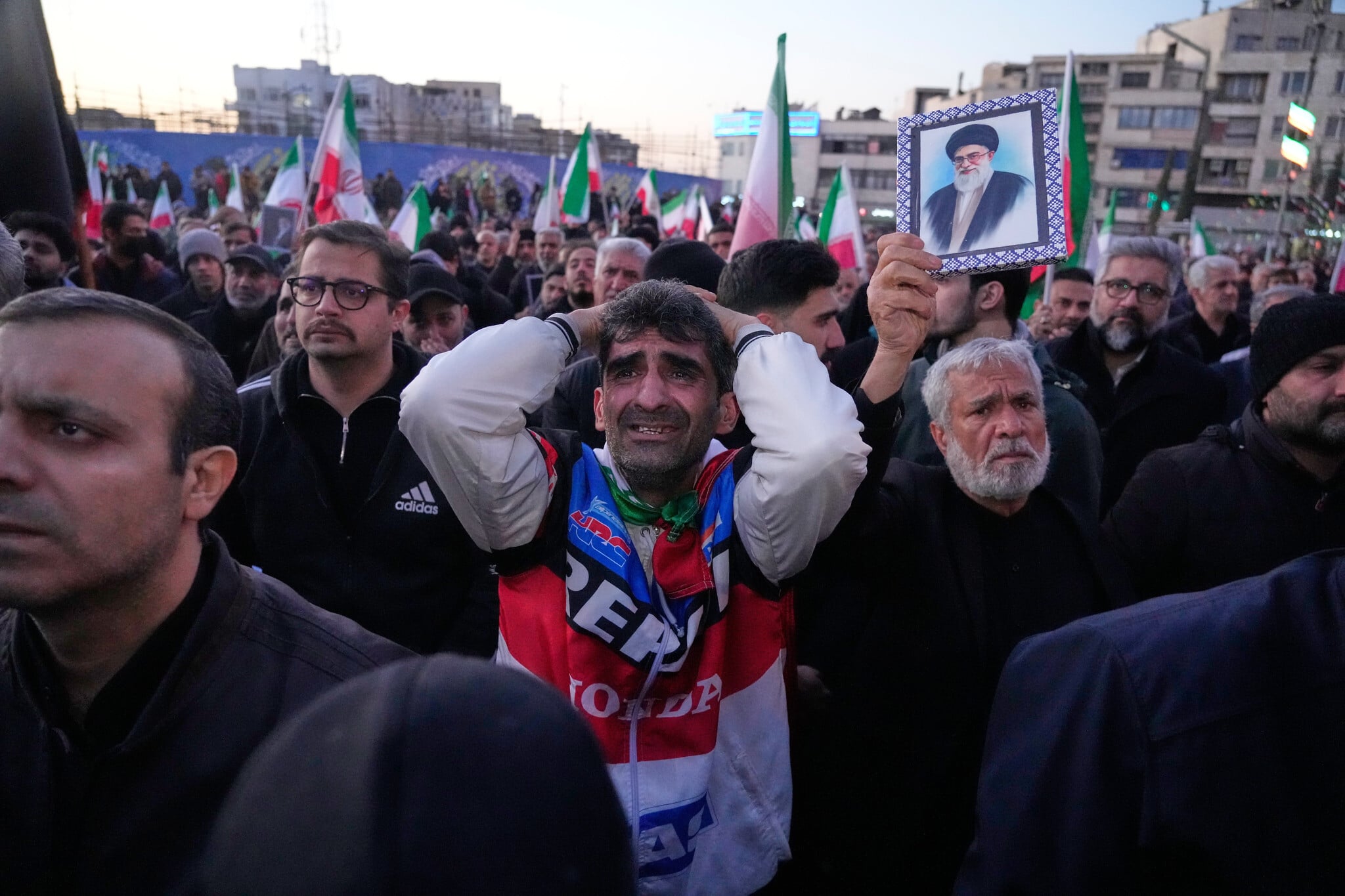
And this last point is crucial. Experts know Tehran has no nuclear bomb and only has a limited stockpile of drones and cruise and ballistic missiles.