Ali Khamenei Has Passed Away
- NgocTram
- March 1, 2026
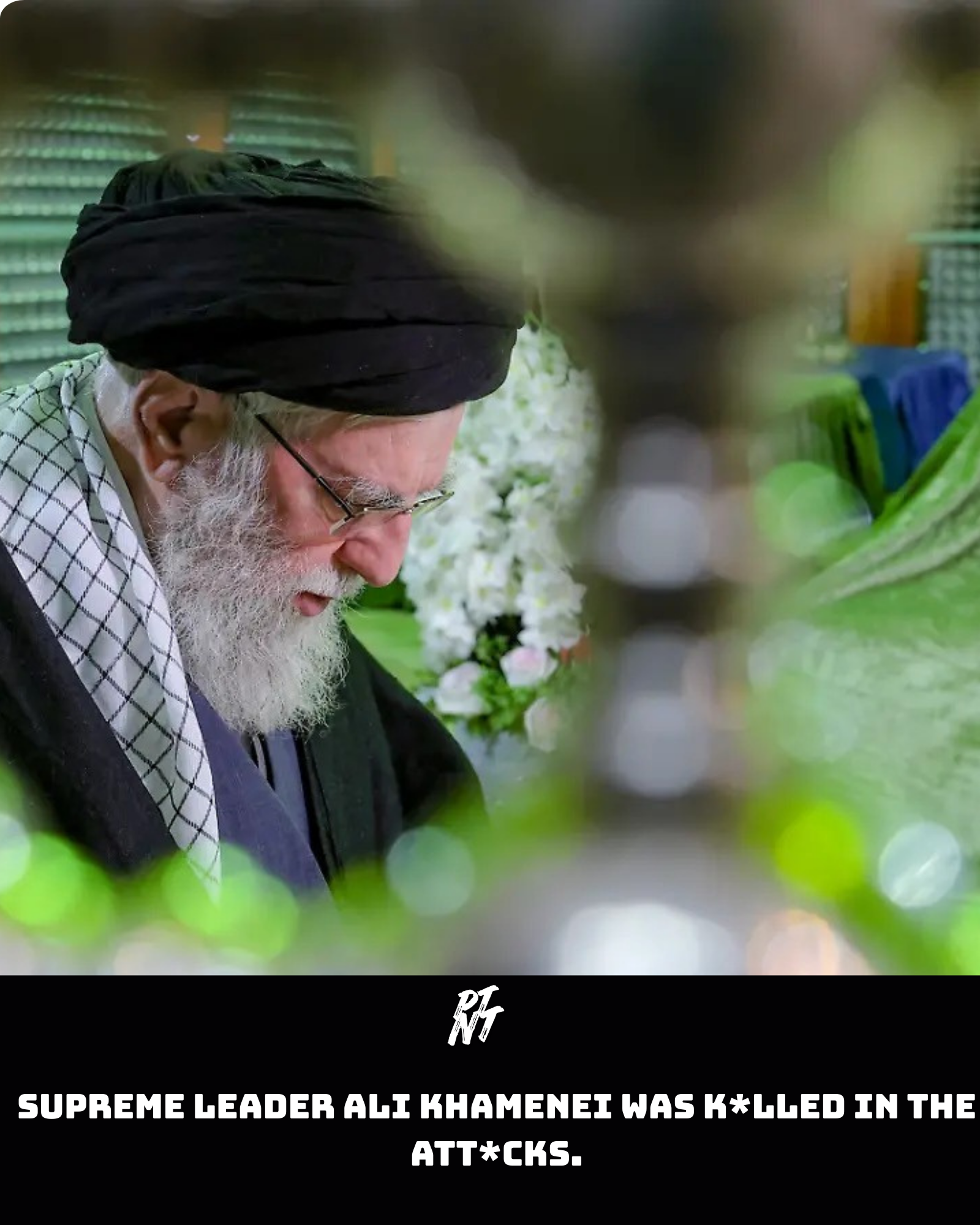
Ali Khamenei Has Passed Away
Iran’s Supreme Leader, Ali Khamenei, a hardline and highly influential figure who led the Islamic Republic for more than three decades, has reportedly died following an Israeli airstrike in Tehran, according to a senior Israeli official. The strike is said to have completely destroyed his residential compound.
“Khamenei was the longest-serving ruler in the contemporary Middle East. He could not have remained in power for so long if he had been reckless. He was an ideologue, but one who pursued the preservation of his beliefs with unwavering determination. His worldview was shaped by strong anti-American and anti-Israel positions, rooted in his early involvement in protests against the Shah.”
Born on April 19, 1939, in Mashhad, eastern Iran, Khamenei was a key figure in the 1979 Islamic Revolution that overthrew Mohammad Reza Pahlavi. A close ally of Ruhollah Khomeini, he rose through the new political system, serving as president from 1981 to 1989 before becoming Supreme Leader after Khomeini’s passing.

During his leadership, Khamenei consolidated control over Iran’s political and security systems, overseeing multiple crackdowns on dissent and maintaining a firm stance toward Washington and Jerusalem. His tenure has often been associated with strict governance, extensive use of capital punishment, and tight social controls.
His rule also faced significant challenges. In 2009, disputed election results that declared President Mahmoud Ahmadinejad the winner sparked nationwide protests. In 2022, demonstrations erupted again following the death of 22-year-old Mahsa Amini after being detained by morality police; both movements were forcefully suppressed.
In late 2025 and early 2026, Iran once again experienced unrest and strong security responses. International human rights organizations have repeatedly reported high execution rates in recent years. According to Amnesty International, more than 1,000 people were executed in Iran in 2025—the highest figure recorded by the organization in at least 15 years.
Regionally, Khamenei invested heavily in networks of allied armed groups to expand Iran’s influence beyond its borders, including Hamas in Gaza, Hezbollah in Lebanon, the Houthis in Yemen, militias in Iraq, and support for Bashar al-Assad in Syria. However, several of these proxy forces have weakened under sustained military pressure from Israel in recent years.
Some analysts argue that Khamenei’s most enduring legacy may not lie in foreign policy, but in the domestic power structure he built. The Office of the Supreme Leader (Bayt) has been described as a parallel power system deeply embedded in the military, economy, religious institutions, and state administration. Experts suggest that even without Khamenei himself, this system may continue to function, as the position of Supreme Leader has evolved into a powerful institution rather than one dependent on a single individual.
Analysts also caution that removing Khamenei alone may not be enough to dismantle the broader system he established; instead, a more comprehensive strategy would be required to address the institutional framework developed over decades of his rule.