Tensions Escalate at the UN as Iranian and U.S. Representatives Clash
Tensions Escalate at the UN as Iranian and U.S. Representatives Clash
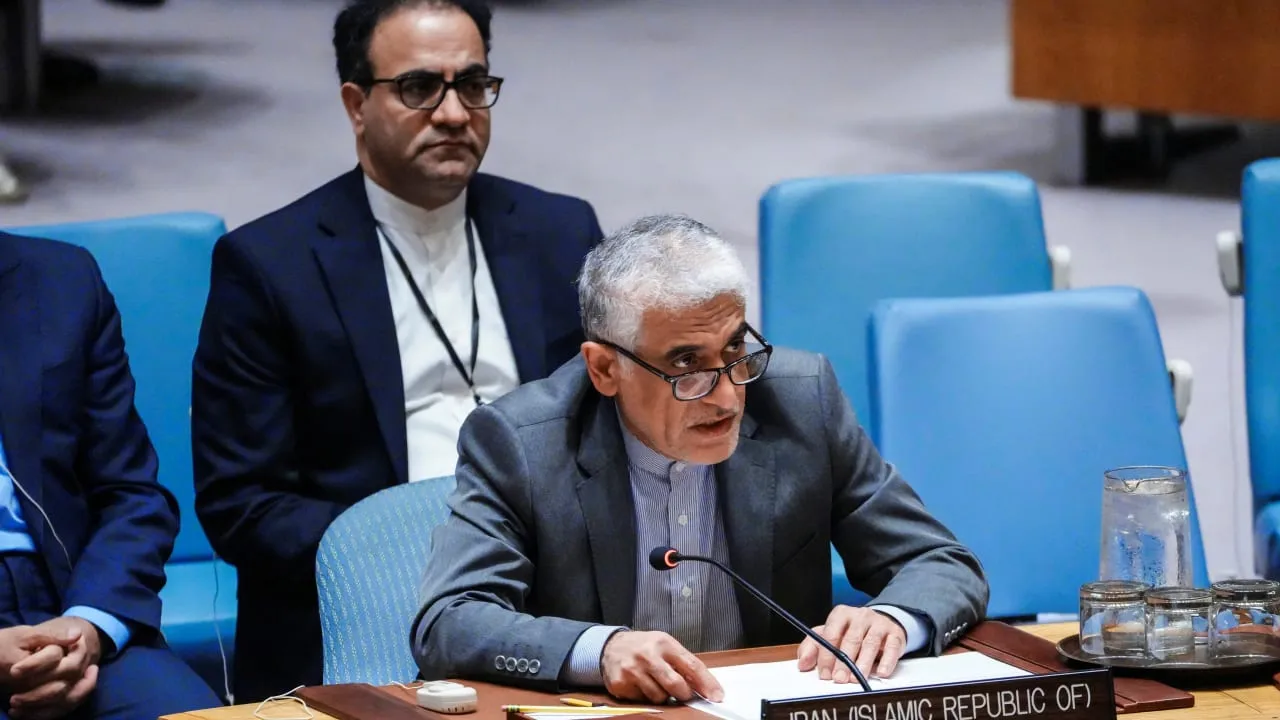
New York, U.S. — A tense exchange took place at the United Nations on Monday, March 3, 2026, between Iran’s representative and U.S. Congressman Mike Waltz, highlighting the deepening divisions between the two nations amid rising geopolitical tensions.
Iran’s UN representative, in a pointed remark aimed at the U.S., advised, “I have one word only: I advise the representative of the United States to be polite. It will be better for yourself and the country you represent.” The comment, laced with diplomatic defiance, was delivered after a series of heated discussions regarding Iran’s ongoing military actions and its role in the Middle East.
U.S. Response
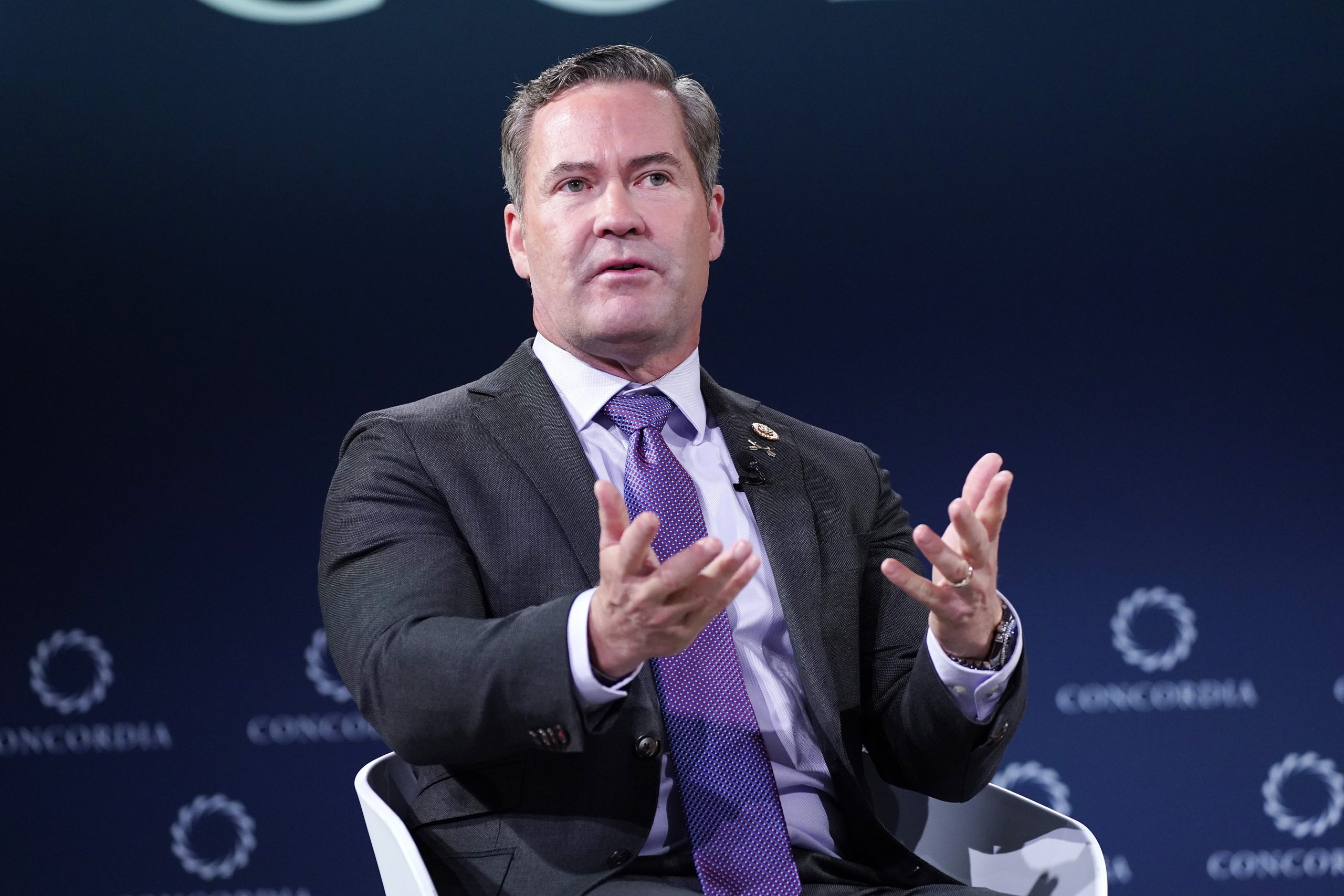
U.S. Congressman Mike Waltz, a vocal critic of the Iranian regime, swiftly responded to the remark. “I’m not going to dignify this with another response, especially, as this representative sits here, in this body, representing a regime that has killed tens of thousands of its own people and imprisoned many more simply for wanting freedom from your tyranny,” Waltz said, his voice rising in the chamber. His words were met with mixed reactions from the audience, reflecting the intense nature of the ongoing debate.
Waltz’s comments refer to the Iranian regime’s long history of suppressing political dissent and its crackdowns on protesters, particularly during the 2019 protests and the more recent unrest in 2026. He continued to criticize the Iranian government’s human rights record, which has been under scrutiny internationally for decades.
Diplomatic Tensions Between Iran and the U.S.
The exchange reflects the high-stakes diplomacy between the United States and Iran, which has been fraught with tension for years. With the recent escalation in hostilities, including missile strikes and military confrontations, the diplomatic arena has become a battleground for ideological and political clashes.
While U.S. representatives have called for a stronger stance against Iran, accusing the regime of terrorism and human rights violations, Iran has repeatedly criticized U.S. foreign policy, accusing Washington of hypocrisy and interference in regional affairs.
The exchange at the UN comes just days after an Iranian missile strike on Tel Aviv, which left at least 20 injured and several buildings damaged. The strike was part of a broader escalation between Israel and Iran, with the U.S. continuing to back Israel’s right to self-defense.
Global Reactions
The war of words at the UN has further heightened tensions, with analysts predicting that the U.S.-Iran diplomatic standoff could escalate into more direct confrontation. International observers have urged both nations to de-escalate, warning that any further aggressive rhetoric could lead to military conflict with severe global consequences.
Looking Ahead
As the situation in the Middle East continues to unfold, the diplomatic landscape remains volatile. The United Nations is expected to convene additional meetings in the coming weeks, as pressure mounts on both the U.S. and Iran to find a peaceful resolution to the escalating conflict. However, with both sides digging in their heels, it remains uncertain whether dialogue or further military action will dominate the future of this ongoing geopolitical crisis.