Iranian Missile Strikes Tel Aviv, At Least 20 Injured, First Responders Search for Survivors
Iranian Missile Strikes Tel Aviv, At Least 20 Injured, First Responders Search for Survivors
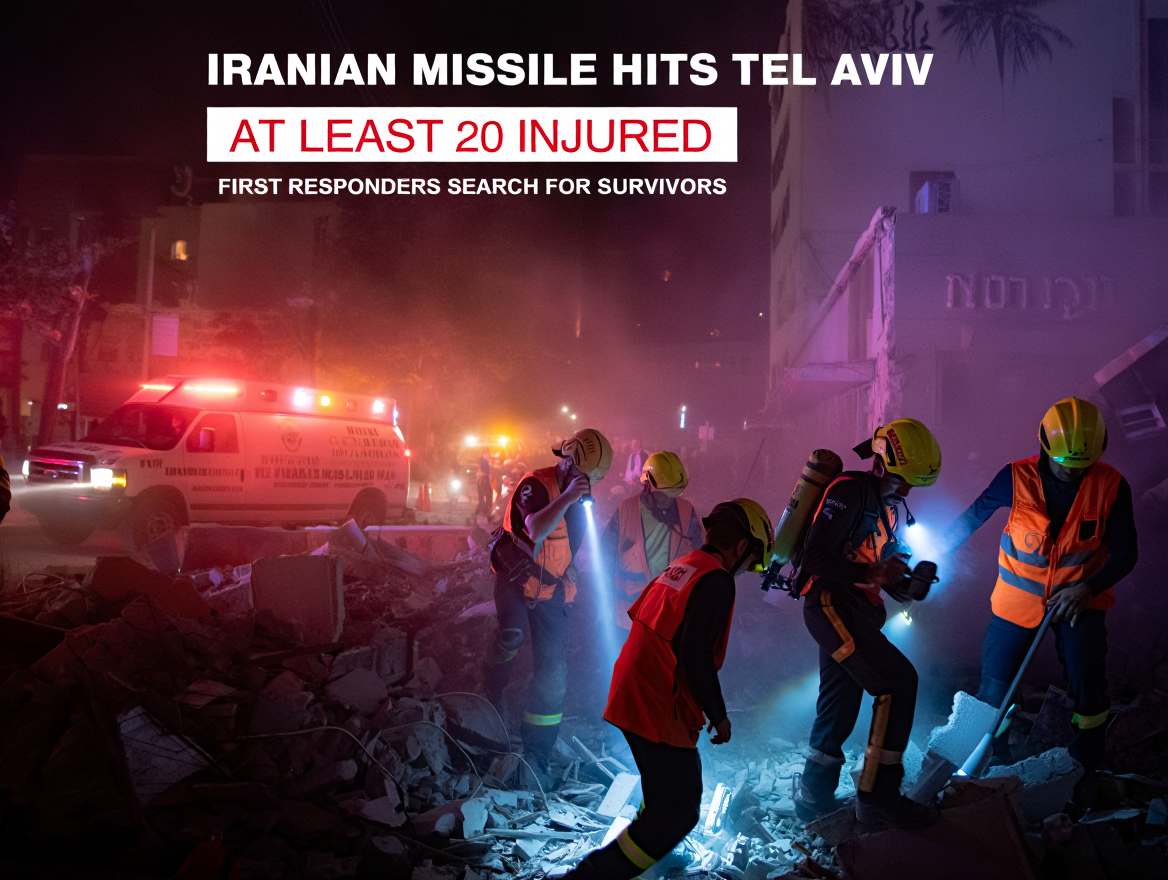
Tel Aviv, Israel — A devastating missile attack launched by Iranian forces struck the heart of Tel Aviv on Monday, March 2, 2026, causing widespread destruction and injuring at least 20 people. The missile made a direct impact on a central district, demolishing buildings and triggering massive fires in the area. First responders are currently on the scene, digging through rubble in a desperate search for survivors.
The missile attack is the latest escalation in the ongoing conflict between Israel and Iran, and it marks one of the most significant strikes on Israeli soil since the conflict began. The explosion caused by the missile led to widespread panic in the streets of Tel Aviv, with residents rushing for shelter as emergency sirens blared across the city.
Casualties and Damage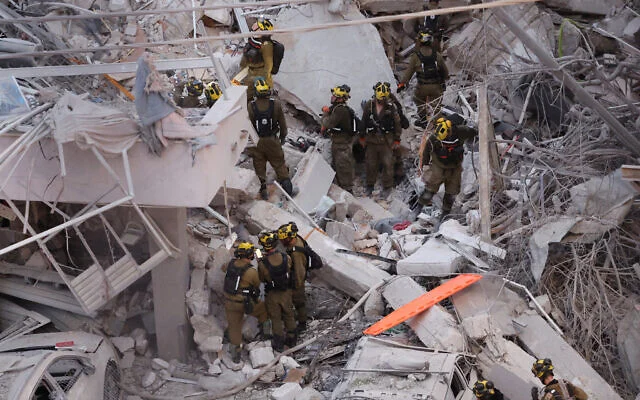
Initial reports from Israeli emergency services indicate that at least 20 people have been injured, with several in critical condition. The injured were quickly transported to hospitals across Tel Aviv, while emergency teams continue to search for anyone trapped under the debris. Authorities have confirmed that the attack has resulted in extensive damage to infrastructure, including residential buildings, commercial properties, and vehicles.
“We are doing everything possible to find survivors,” said an official from Israel’s emergency services. “Our teams are working around the clock to rescue anyone trapped beneath the rubble.”
Local authorities have not yet confirmed the full extent of the damage, but the missile’s direct impact is expected to leave a significant toll on both the city’s infrastructure and its residents.
Iranian Accountability
Iran has not officially claimed responsibility for the missile strike, but Israeli intelligence believes it to be part of the ongoing conflict. Iran has previously warned of retaliatory actions against Israel in response to airstrikes on Iranian territory, and this missile attack appears to be an escalation of those threats.
Israeli officials have vowed to respond with force, and Prime Minister Benjamin Netanyahu issued a statement condemning the attack. “This is an act of terror,” Netanyahu said. “We will not tolerate any aggression against the people of Israel, and those responsible will be held accountable.”
Ongoing Search and Rescue Operations
As first responders continue their search efforts, the situation in Tel Aviv remains tense. Local hospitals are overwhelmed with casualties, and many parts of the city remain on lockdown as emergency services work to clear the debris and secure the area. Military units have also been deployed to maintain order, and the IDF is reportedly preparing for possible further attacks.
International Reactions
The international community has condemned the missile attack, with world leaders expressing solidarity with Israel. U.S. President John Carter quickly offered his support, pledging to stand with Israel in its right to defend itself. The United Nations has called for an emergency session to discuss the attack and the growing tensions in the Middle East.
Meanwhile, regional powers are bracing for the possibility of more violence. Iran’s missile strike on Tel Aviv raises concerns that the conflict could spill over into a wider regional war, drawing in multiple countries in the Middle East and beyond.
Looking Ahead
As the search for survivors continues and the full impact of the attack becomes clearer, Israel remains on high alert. The international community is closely watching for signs of further escalation, while Israeli officials warn that the situation could deteriorate rapidly.
The future of this conflict hinges on the decisions made by both Israeli and Iranian leaders in the coming days, as tensions continue to rise in the region.