Crowd Topples Statue of Supreme Leader Ali Khamenei in Southern Iran Amid Rising Unrest
Crowd Topples Statue of Supreme Leader Ali Khamenei in Southern Iran Amid Rising Unrest
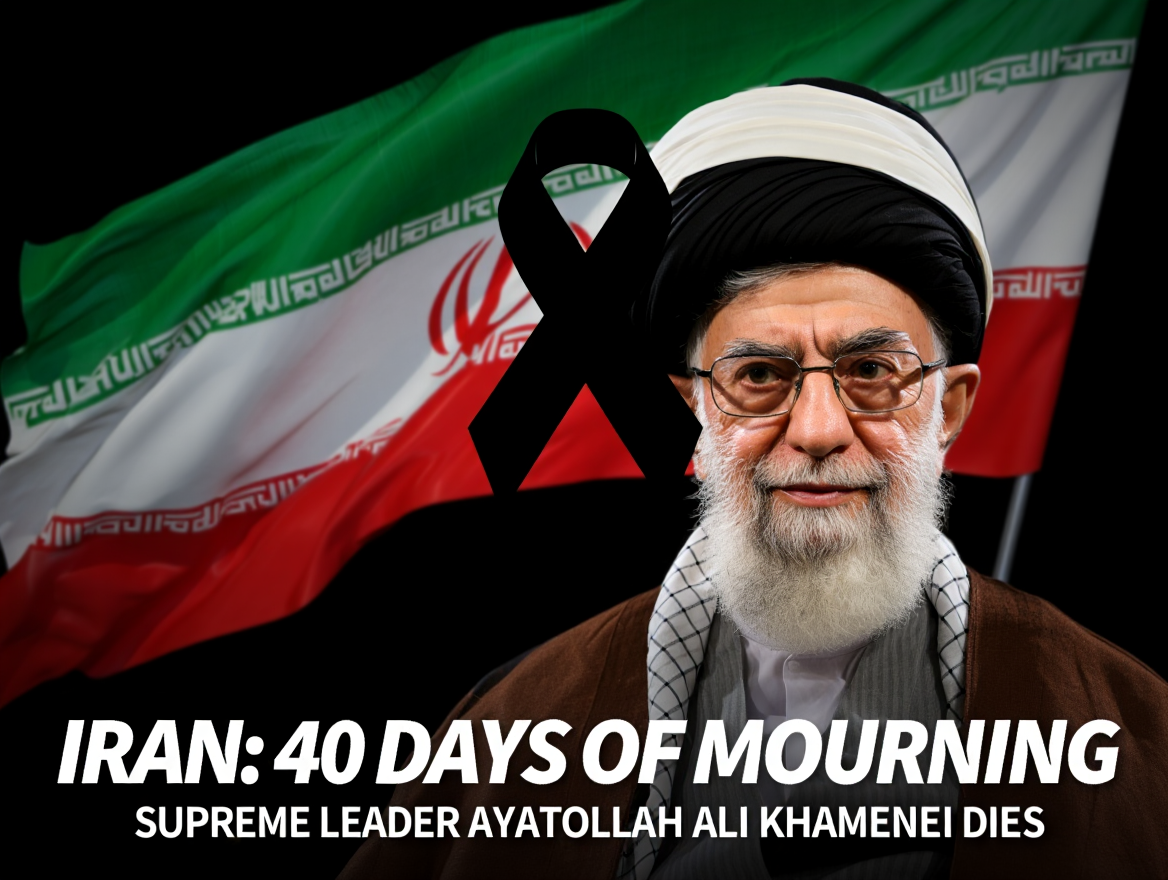
Tehran, Iran — In an unprecedented act of defiance, a large crowd in southern Iran was seen toppling a statue of the late Supreme Leader Ali Khamenei, following his death in an Israeli airstrike on February 28, 2026. The shocking scene, which took place in a major city in Iran’s southern region, has ignited widespread discussions about the growing unrest and dissatisfaction with the government in the wake of Khamenei’s passing.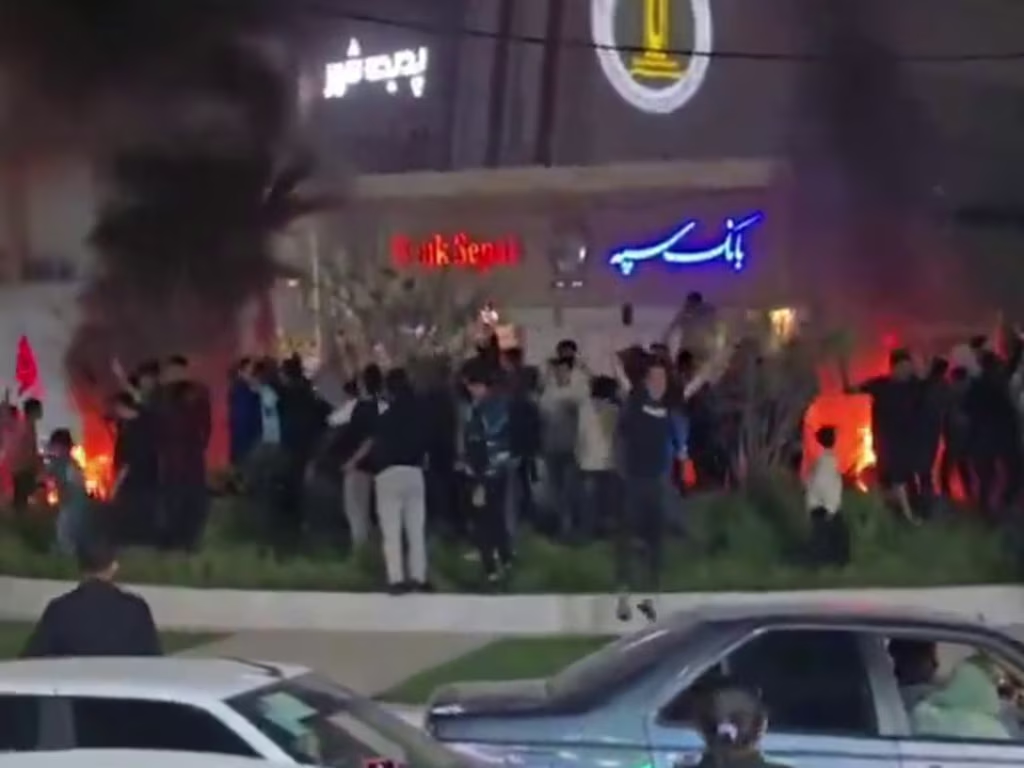
The statue, erected as a symbol of Khamenei’s leadership, was torn down by demonstrators who gathered in the city center. Eyewitnesses reported that the crowd, chanting slogans calling for change, overwhelmed security forces who had been dispatched to maintain order.
Significance of the Act
The toppling of Khamenei’s statue is a powerful symbolic gesture, particularly in a country where the Supreme Leader’s figure has been revered for decades. This act of rebellion could be indicative of broader dissatisfaction with the current political leadership, especially after the sudden and violent death of the Supreme Leader.
The Iranian government has not yet issued an official statement regarding the incident, but state-run media quickly attempted to downplay the significance of the protest. However, images and videos of the statue’s destruction have quickly spread on social media, stirring debates on the future of Iran’s leadership and its ideological direction.
Growing Dissatisfaction in the Aftermath of Khamenei’s Death
Since Khamenei’s death, there has been a notable increase in public unrest. While Iran is in a state of national mourning, protests and dissent have quietly surged in some areas. Many Iranians, particularly in the more youthful and urban regions, have expressed frustration with the regime’s authoritarian practices, economic struggles, and its foreign policy decisions, especially the escalation of tensions with Israel.
The toppling of the statue is being seen by some analysts as a sign of a wider movement for change within the country. It’s the first major act of public resistance since Khamenei’s death and marks a significant departure from the usual state-controlled demonstrations of loyalty.
Security Forces Respond
Iran’s security forces, including the Islamic Revolutionary Guard Corps (IRGC), were reportedly deployed to the area to disperse the crowds, though early reports suggest that the protest remained largely nonviolent. Local authorities have called for calm and urged citizens to respect the national mourning period, but it remains unclear how the government will handle further unrest.
Impact on Leadership Succession
The growing protests are likely to put additional pressure on Iran’s already delicate leadership succession process. With Khamenei’s death creating a power vacuum, the Iranian public’s increasing demands for political reform or change could complicate the decision-making of the powerful clerical council responsible for selecting the next Supreme Leader.
International Reactions
The international community is closely monitoring the situation in Iran, with many analysts speculating that this could be a turning point in the country’s political trajectory. While many world leaders have called for stability and calm, the images of the statue’s destruction could further fuel global concerns about the future of the Islamic Republic.
As tensions escalate, both internally and in the region, it remains to be seen whether this will lead to further protests or a shift in Iran’s leadership approach in the coming weeks.