Iran’s Supreme Leader Ayatollah Ali Khamenei Killed in Joint U.S.-Israel Strike
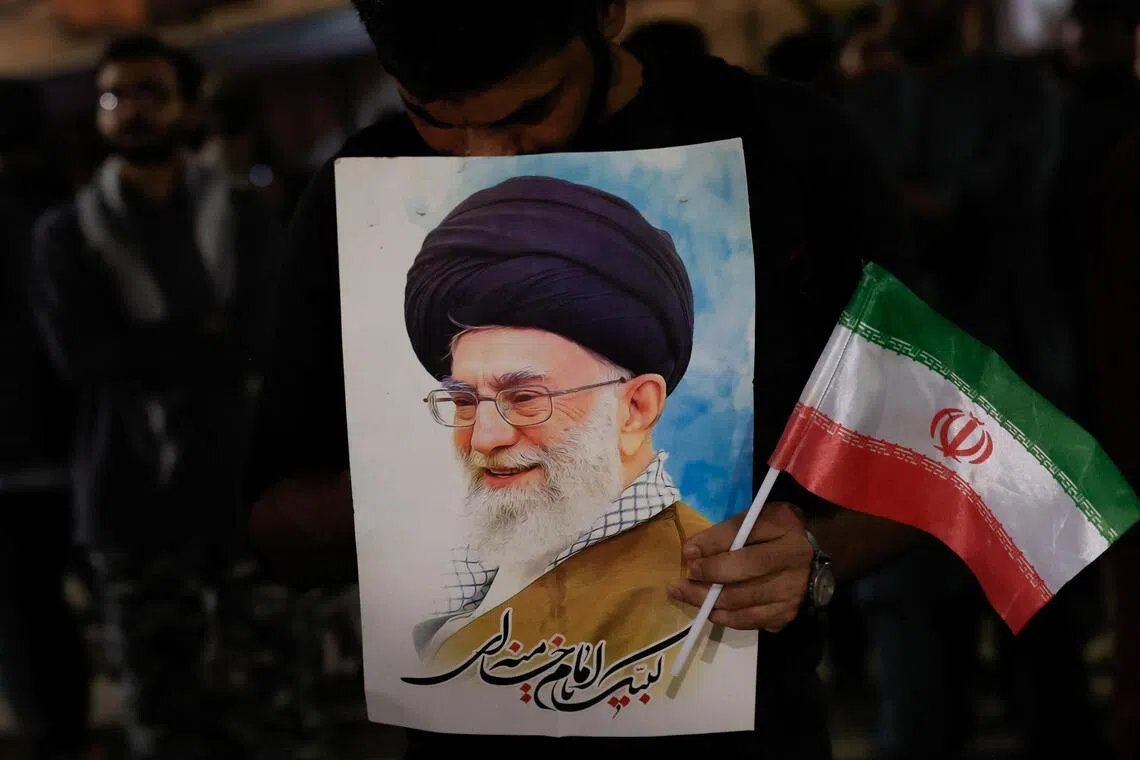
Iran’s Supreme Leader Ayatollah Ali Khamenei Killed in Joint U.S.-Israel Strike
Unprecedented Escalation in Middle East Tensions
In a stunning development, reports from multiple international media outlets confirm that Iran’s Supreme Leader, Ayatollah Ali Khamenei, has been killed in a massive joint military strike reportedly carried out by the United States and Israel. The strike, which targeted key locations in Tehran, including areas near Khamenei’s compound, marks an unprecedented escalation in the already volatile Middle East region.
Details of the Attack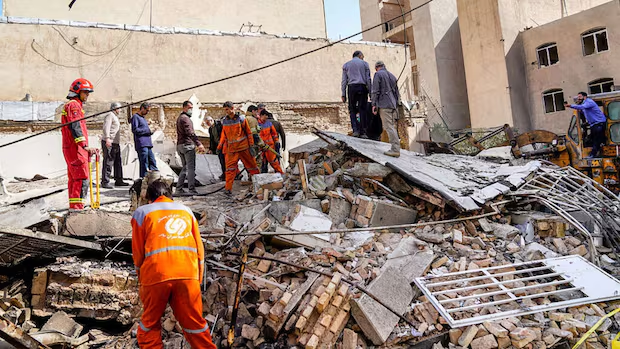
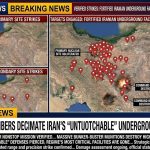
According to sources, the operation, which was reportedly coordinated between U.S. and Israeli intelligence, was launched under the guise of a “pre-emptive strike” aimed at crippling Iran’s nuclear capabilities. The locations hit in Tehran were high-priority targets, with the aim to severely disrupt Iran’s nuclear research and military infrastructure.
Israeli intelligence sources reportedly confirmed Khamenei’s death within hours of the attack, which took place early in the morning local time. Iranian state media has yet to release an official statement confirming Khamenei’s death but has acknowledged a significant strike on Tehran.
Retaliation and Escalation
In response to the attack, Iran has launched missile strikes targeting several key locations across the Middle East. The strikes, aimed primarily at U.S. military bases and Israeli interests in the region, signal a significant escalation of hostilities.
As tensions rise, military analysts predict that these retaliatory actions could set off a chain reaction of attacks, potentially leading to broader conflict in the region. The international community is on high alert as the situation unfolds, with fears that the region could spiral into full-scale warfare.
What’s at Stake
Khamenei’s death represents a monumental shift in Iran’s leadership. Known for his hardline stance on Iran’s nuclear program and opposition to Western influence, Khamenei’s absence creates a power vacuum within the country. While Iran has a complex system of governance that involves the Supreme Leader, the president, and other key figures, Khamenei’s leadership was central to the nation’s foreign and domestic policies.
International Reactions
The U.S. and Israeli governments have remained largely silent on the specifics of the operation. However, officials in Washington have hinted that the strike was a necessary measure to counter Iran’s nuclear ambitions, which have been a longstanding concern for the West and Israel.
The European Union and United Nations have called for immediate de-escalation and dialogue to prevent further violence. However, the severity of the situation suggests that diplomatic solutions may be harder to reach as regional powers take sides.
What Comes Next?
The coming days will be critical in understanding the full scope of this military action and its consequences. Iran’s response, both militarily and politically, could reshape the power dynamics in the Middle East.