Can Iran Sink a U.S. Aircraft Carrier? The Complexities Behind the Threat
Can Iran Sink a U.S. Aircraft Carrier? The Complexities Behind the Threat
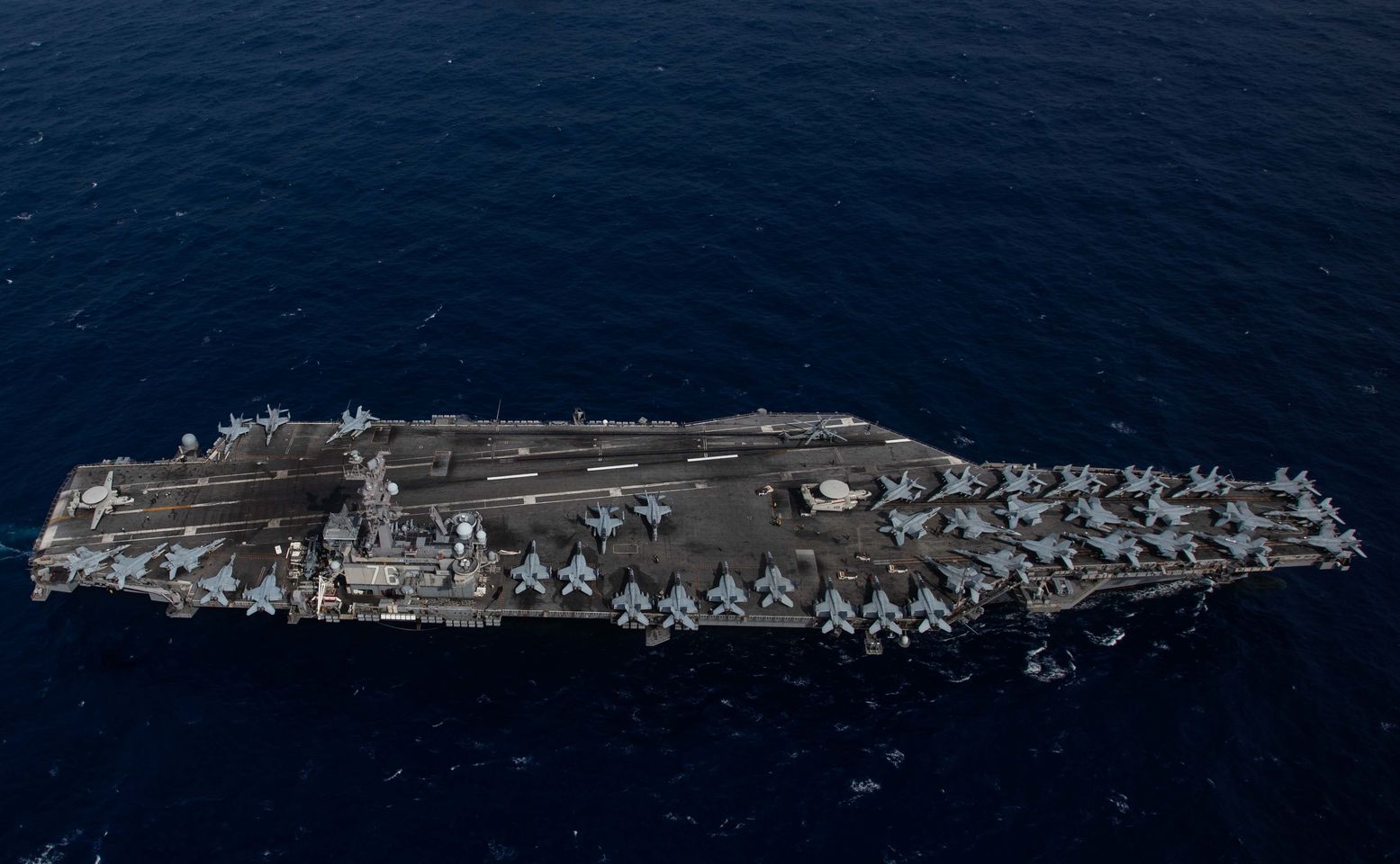
Tehran, Iran — Recent threats from Iran to sink a U.S. aircraft carrier in the Persian Gulf have raised eyebrows around the world, sparking debates about Iran’s military capabilities and the realities of modern naval warfare. While the statement itself is dramatic, the question remains: Can Iran actually sink a U.S. Nimitz or Ford-class supercarrier?
The short answer is far more complex than simply launching a missile.
The History of Aircraft Carriers and Their Resilience
Historically, aircraft carriers have proven to be extremely difficult to defeat. It has been over 80 years since the U.S. Navy lost an aircraft carrier to enemy action. The USS Bismarck Sea was sunk on February 21, 1945, during the Battle of Iwo Jima, when a Japanese Kamikaze suicide plane struck the carrier, causing a deadly explosion. However, the sinking of the USS Bismarck Sea was a rare event and occurred in the context of World War II, when aircraft carriers were far more vulnerable and lacked the protections available today.
Modern Aircraft Carriers: Floating Fortresses
Modern aircraft carriers, such as the USS Gerald R. Ford and USS Nimitz, are far more advanced and well-protected than their World War II predecessors. These supercarriers are built to survive and operate in hostile environments with a multitude of defensive systems. Key features include:
-
Double hull design for added structural integrity.
-
Watertight compartments that limit flooding in case of damage.
-
Advanced fire suppression systems to control fires that could otherwise destroy the vessel.
-
Redundant systems for critical operations, meaning that even if one system is compromised, the ship can continue functioning.
These supercarriers are not lone wolves in combat. They operate as part of a larger carrier strike group, typically consisting of:
-
Destroyers and cruisers for missile defense.
-
Submarines to protect against underwater threats.
-
Air defense systems and fighter jet patrols that provide 24/7 surveillance and protection.
In other words, sinking a modern U.S. aircraft carrier would require a highly coordinated, large-scale attack from multiple domains: air, sea, and possibly even cyber.
The USS America Test: Can a Carrier Survive Multiple Attacks?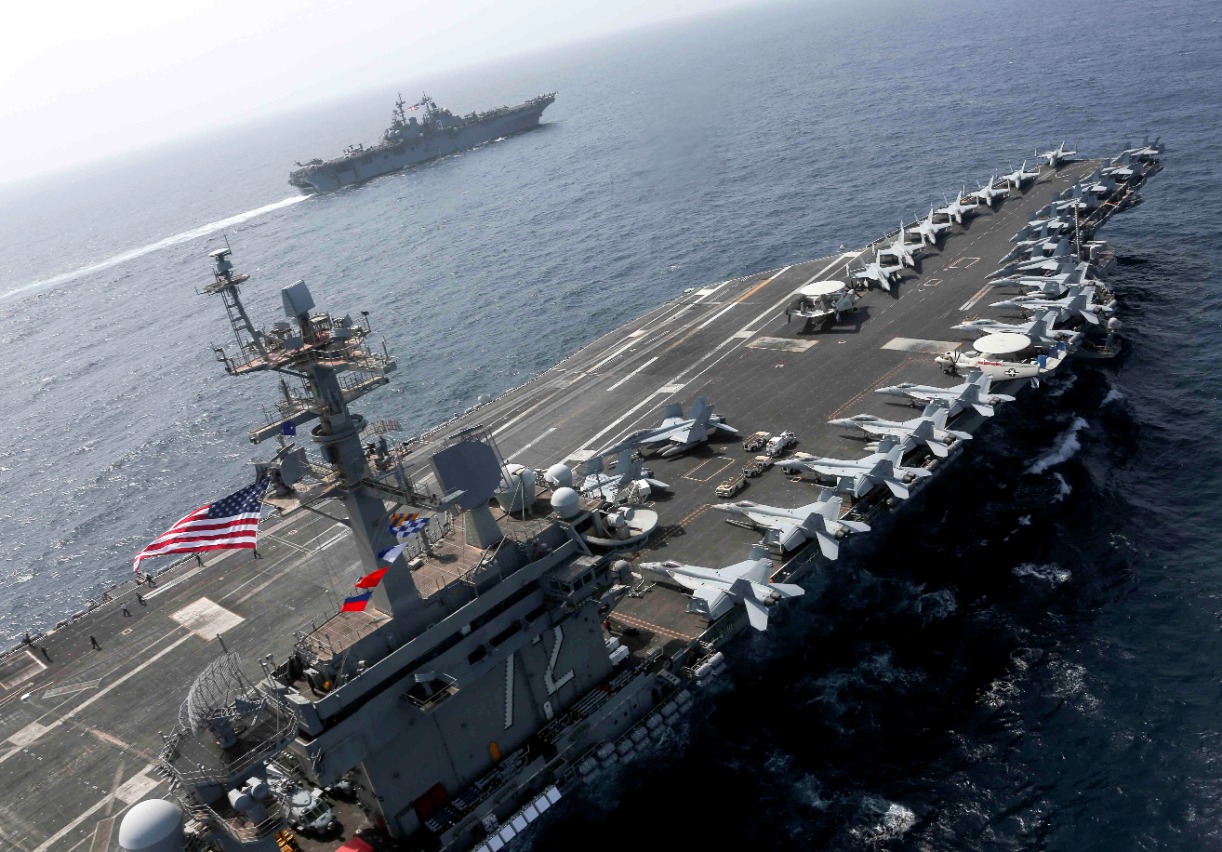
In 2005, the U.S. Navy conducted an intense test to assess the resilience of its aircraft carriers. The USS America was subjected to a SINKEX (Sink Exercise), where the ship was attacked by multiple types of weapons, including missiles, bombs, and fire.
Despite these relentless attacks, the ship survived for weeks before it eventually sank. This exercise showed the remarkable durability of modern aircraft carriers and led to further improvements in their design and operational capabilities.
The key takeaway from this exercise was that modern aircraft carriers are incredibly tough, able to withstand sustained damage and continue operating for extended periods, even under heavy assault.
Iran’s Capabilities: A Real Threat or Psychological Pressure?
Iran has made significant strides in developing weapons systems that could potentially damage U.S. Navy assets, particularly in narrow, confined waters like the Strait of Hormuz, where many critical shipping lanes pass through. Iranian military capabilities include:
-
Anti-ship missiles, capable of targeting large vessels from a distance.
-
Armed drones designed to strike at naval targets with precision.
-
Speedboats, used in swarming tactics to overwhelm defensive systems.
-
Naval mines, which can create havoc for even the largest ships.
These weapons systems are certainly capable of causing serious damage or temporarily paralyzing a mission, such as damaging an aircraft carrier to the point where it must retreat or suffer mission failure. Iran could also potentially harass U.S. naval operations in the region, causing significant logistical and operational challenges.
However, the challenge of sinking a U.S. aircraft carrier — even with these assets — remains a daunting task.
The Strategic Reality: The Consequences of an Attack
Sinking a supercarrier, especially one like the USS Gerald R. Ford or USS Nimitz, is not only a technical challenge but also a strategic nightmare for Iran. The retaliatory consequences would likely be catastrophic. The U.S. military would almost certainly respond with overwhelming force, potentially escalating the conflict into a broader war. The loss of a carrier could provoke a massive military retaliation from the U.S. Navy and its allies.
Given the geopolitical stakes, any attack on a U.S. aircraft carrier would likely lead to a dramatic escalation in the Middle East, particularly given the U.S. commitment to defending its assets and allied interests in the region.
Conclusion: Is It Possible?
While Iran’s threat to sink a U.S. aircraft carrier is certainly dramatic, the reality is that accomplishing such a feat is far more complex than simply launching a missile or drone attack. Modern aircraft carriers are equipped with multiple layers of defense, and they operate in highly protected formations with advanced countermeasures.
Iran’s military assets, though formidable, would likely be insufficient to overcome the defenses of a modern U.S. supercarrier in open conflict. While Iran’s capabilities pose a serious threat to U.S. assets and could lead to significant damage, completely sinking an aircraft carrier remains an extraordinarily difficult task.
In the end, Iran’s statements may be as much about creating psychological pressure as they are about military capability. The ability to disrupt U.S. operations and create uncertainty in the region remains a potent strategy, even if sinking a supercarrier is unlikely.