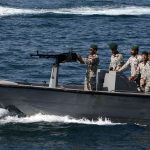
The US Military Officially Joins Forces with Israel: Trump Announces Major Combat Operations in Iran
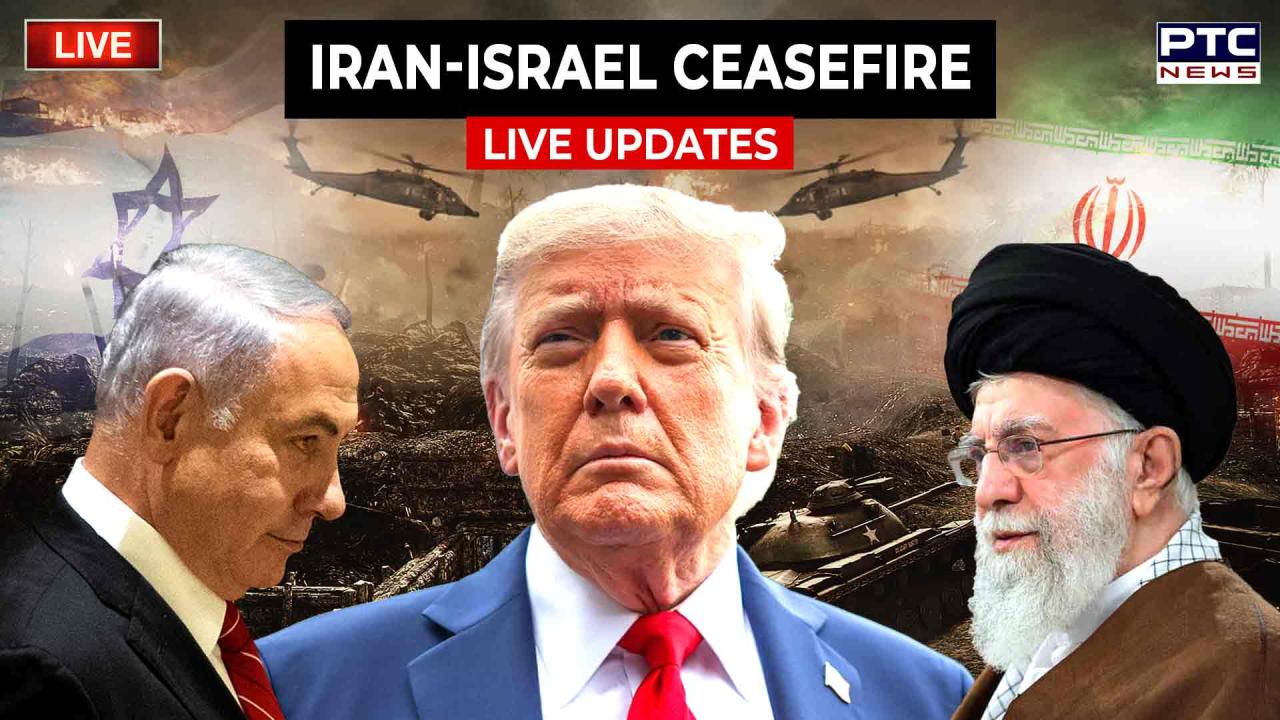
The US Military Officially Joins Forces with Israel: Trump Announces Major Combat Operations in Iran
Washington, D.C. — In a significant escalation of tensions in the Middle East, President Donald Trump confirmed in a video posted on his Truth Social platform that the United States has launched major combat operations in Iran, joining forces with Israel in an unprecedented military effort. The announcement comes amidst growing concerns over Iran’s nuclear ambitions and its missile development programs, which both Israel and the U.S. have labeled as direct threats to regional security.
Trump, speaking with his usual assertiveness, emphasized that diplomatic efforts had been exhausted, stating, “We have repeatedly tried to reach an agreement. We have made an effort.” However, he made it clear that, with diplomacy failing, the United States had no choice but to take military action to protect national security and regional stability.
“We will destroy their missiles and flatten their missile industry. It will be completely wiped out,” Trump said in his statement, referring to Iran’s missile infrastructure and military sites.
The US-Israel Military Collaboration
The confirmation that the U.S. military has officially joined forces with Israel marks a pivotal moment in their longstanding strategic partnership. Both countries have long been united in their opposition to Iran’s nuclear program, with Israel often taking the lead in airstrikes and covert operations to thwart Iran’s nuclear ambitions. This latest operation, however, appears to be a more coordinated effort, signaling that Washington has fully backed Israel’s position on the matter.
Sources suggest that Israeli airstrikes have targeted missile defense systems, nuclear facilities, and military sites within Iran, while the U.S. military has provided air support, intelligence sharing, and other logistical assistance. The operation is said to involve both Israeli fighter jets and American drones, executing synchronized attacks on key military targets across Iran.
Trump’s Message of Strength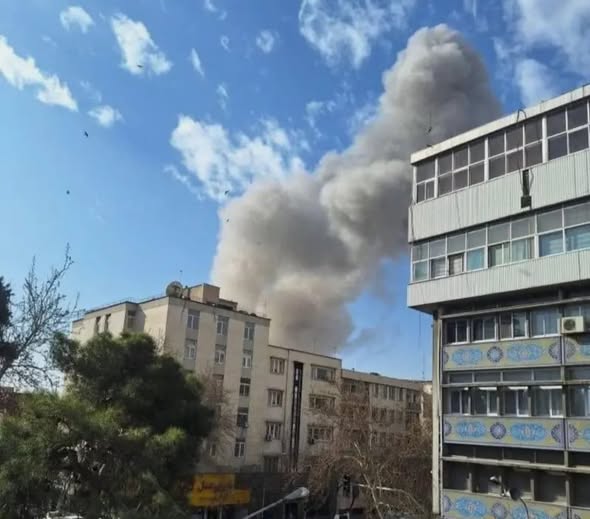
President Trump’s statement underscored his commitment to protecting U.S. interests and allied countries in the Middle East. With the Iranian threat continuing to loom over Israel and U.S. military bases in the region, Trump made it clear that the U.S. would not shy away from taking aggressive measures to curb Iran’s military capabilities.
The announcement of combat operations also follows several months of rising tensions, including military buildups in the Persian Gulf, as well as incidents involving Iranian-backed proxy groups in Syria and Iraq. The U.S. has repeatedly warned Iran that any further acts of aggression would be met with force, and Trump’s remarks reinforce this stance.
Iran’s Likely Response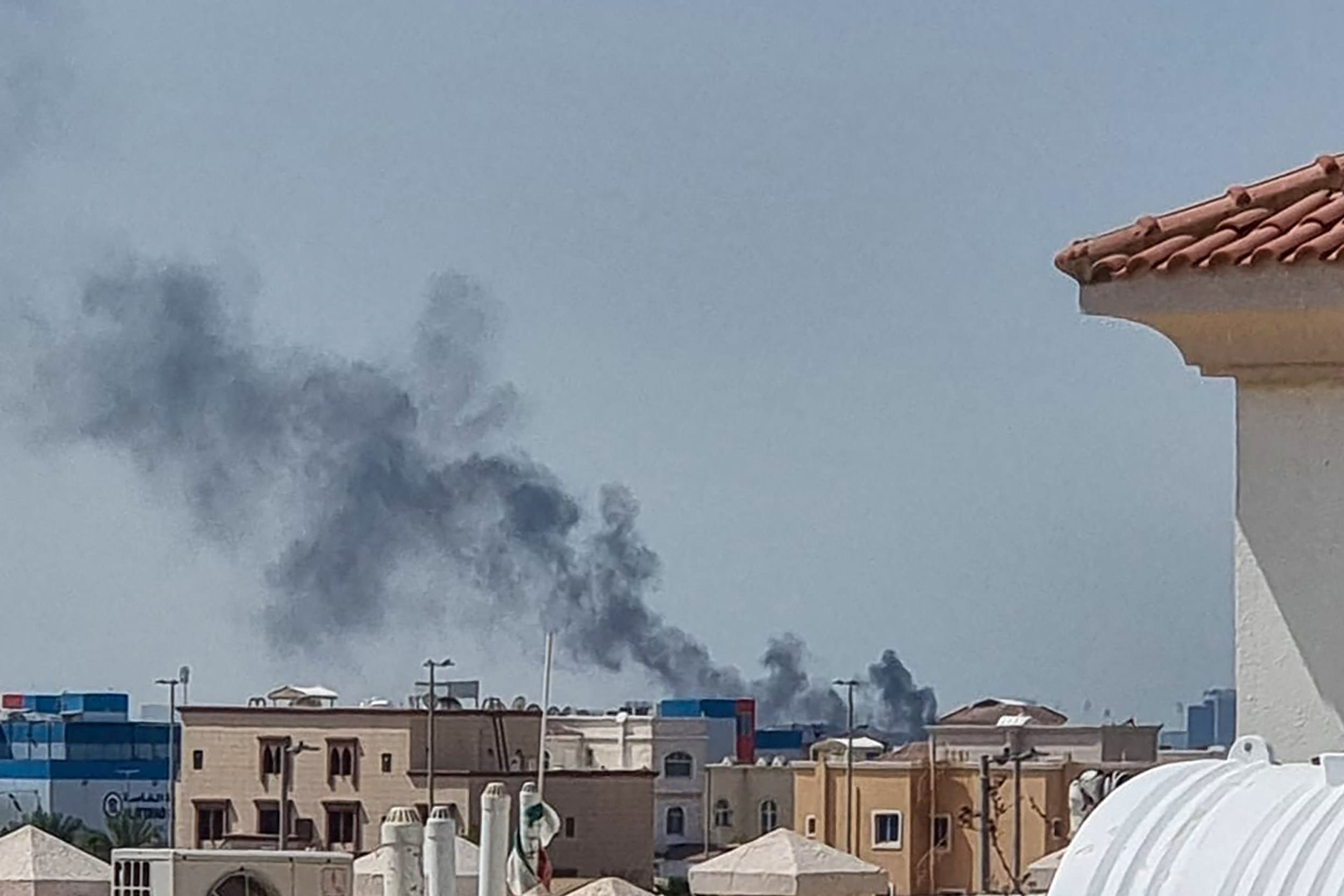
Iran has consistently stated that it will retaliate against any military action by the U.S. or Israel. In recent months, Iranian officials have warned of their capacity to strike back at U.S. military installations in the region, as well as Israeli targets.
Tehran could also escalate its actions by using proxy groups in Syria, Lebanon, and Iraq, which have been instrumental in Iran’s influence in the region. The Iranian military could launch missile attacks on U.S. and Israeli targets, potentially drawing in additional countries into the conflict.
The Iranian Revolutionary Guard Corps (IRGC), known for its involvement in covert operations, could also retaliate using asymmetric warfare, targeting U.S. assets in Saudi Arabia, Iraq, or even international shipping lanes in the Persian Gulf.
Global Reactions and Geopolitical Implications
The announcement of major combat operations in Iran is likely to have widespread ramifications for global stability. U.S. allies in Europe, including Germany and France, are expected to express concerns about the potential for further destabilization in the Middle East.
Meanwhile, Russia and China, both of whom have closer ties with Iran, are likely to condemn the U.S.-Israel military action, warning that it could lead to a broader regional war. Russia, which has military interests in Syria, and China, which has increasingly aligned itself with Iran for economic and strategic reasons, may intervene diplomatically or even militarily.
The global oil market could also be heavily impacted by the escalation of conflict. The Persian Gulf is a key shipping route for oil, and any disruptions could drive up prices, causing ripple effects in global energy markets.
The Road Ahead: Will Diplomacy or Military Action Prevail?
As U.S. and Israeli forces take a more aggressive stance against Iran, the world holds its breath to see whether diplomacy will still play a role in de-escalating the situation. The U.S. has previously tried to negotiate a deal with Iran, including the 2015 Iran Nuclear Deal (Joint Comprehensive Plan of Action), but Iran’s non-compliance and military activities have led to a complete breakdown of those efforts.
Now, with military operations underway, many are asking: What comes next?
Can the situation be contained through targeted strikes, or is this the beginning of a wider conflict in the region? Will Iran escalate its operations, or will the military strikes bring Tehran back to the negotiating table? Only time will tell how these events will unfold, but for now, Israel and the U.S. stand firm in their resolve to limit Iran’s military threat.