Smoke Rises in Tehran Following Israeli Airstrikes
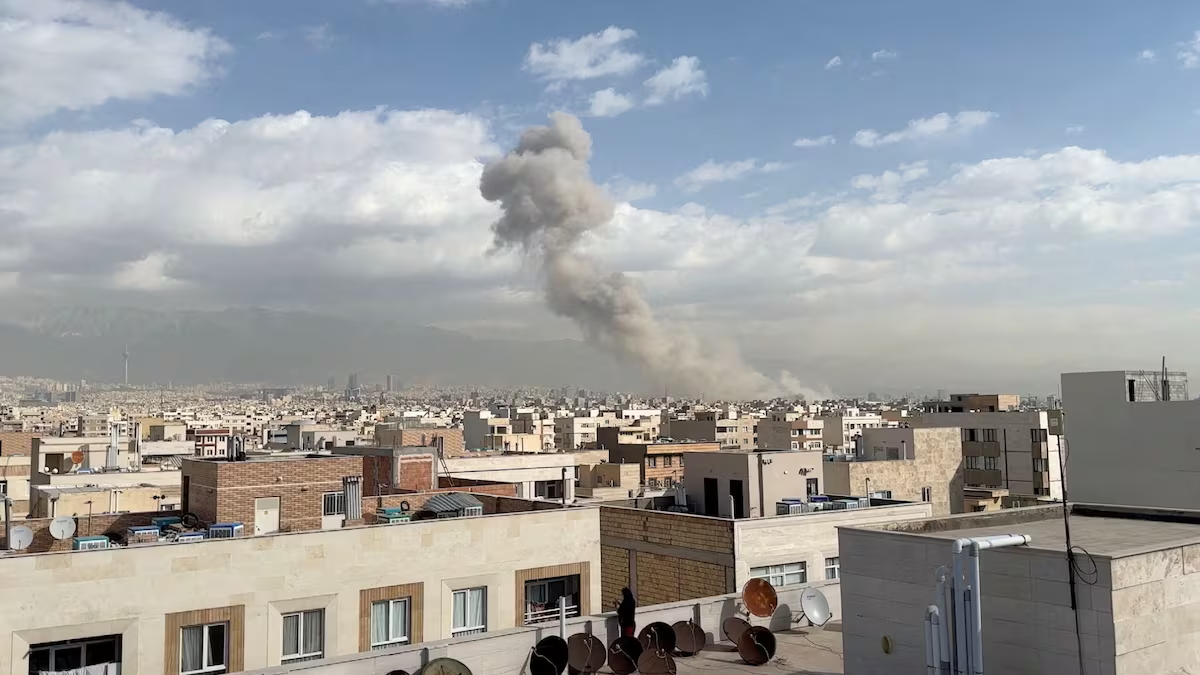
Smoke Rises in Tehran Following Israeli Airstrikes
On February 28, 2026, smoke was seen rising from Tehran, the capital of Iran, after a series of Israeli airstrikes targeted key military sites. The attacks, which occurred amid rising tensions between Israel and Iran, were confirmed by Iranian state media, with the Israeli Defense Forces (IDF) calling it a preemptive strike against what it considered a growing threat from Iran’s missile and nuclear programs.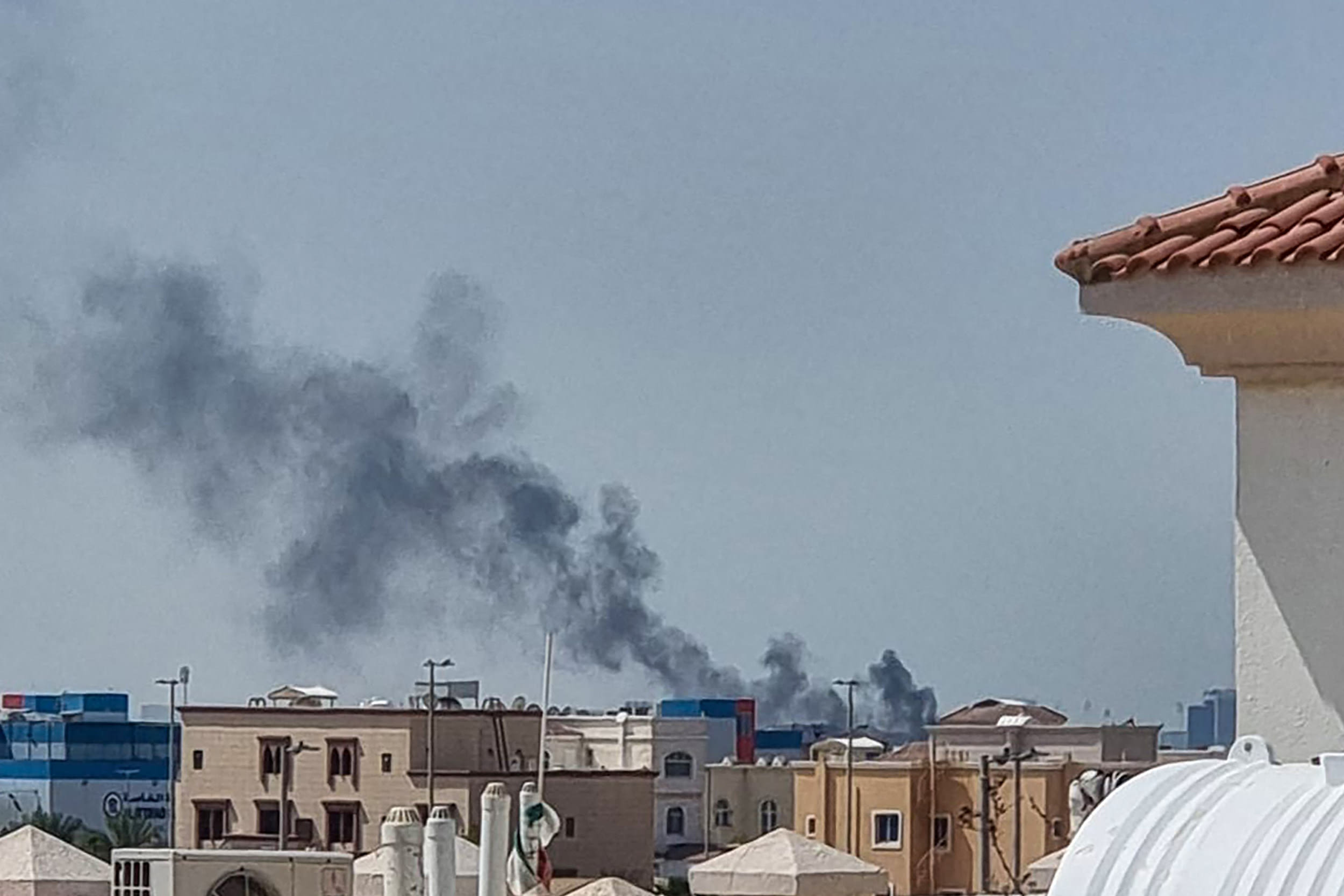
Details of the Attack
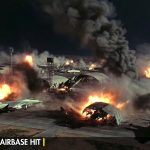
The airstrikes targeted several military installations in the southern part of Tehran, an area known for housing Iran’s missile defense systems and nuclear research facilities. The Israeli jets reportedly carried out precision strikes that resulted in significant explosions, creating large plumes of smoke visible across the city.
According to Iran’s state-run news channel IRINN, the airstrikes were followed by a temporary disruption in broadcast, coinciding with the rising smoke and explosions in the affected areas. While details about casualties remain scarce, the destruction of critical infrastructure is expected to have major consequences for Iran’s military readiness.
Israeli Military’s Statement
The Israeli Defense Forces (IDF) confirmed that the operation was a preemptive strike, part of an ongoing strategy to neutralize potential threats from Iran’s missile technology and its nuclear ambitions. Israel has consistently expressed concerns that Iran’s missile capabilities could be used to threaten the region, including Israel, and that Iran’s nuclear program could soon reach a stage where it poses a direct threat to national security.
The Israeli government has argued that the strike was a necessary step to prevent Iran from acquiring nuclear weapons, which would dramatically shift the balance of power in the Middle East.
Iran’s Likely Response
As expected, Iran has condemned the airstrikes as an act of aggression and an infringement on its sovereignty. Iranian officials have vowed to respond, likely through proxy forces in Syria, Iraq, or Lebanon, where Iran has significant influence. Hezbollah, an Iranian-backed group in Lebanon, has already pledged its support for Iran, signaling that the airstrikes could escalate into broader regional conflict.
Iran may also retaliate directly by launching missile attacks against Israeli or U.S. military installations in the Middle East.
Global Reactions and Consequences
The international community is closely watching the unfolding situation, as tensions in the Middle East continue to rise. Countries such as Russia, China, and Saudi Arabia are likely to have strong reactions to the escalation, as it could affect global oil markets and disrupt trade in the Persian Gulf.
The United States has reaffirmed its support for Israel’s right to defend itself and has expressed concern over Iran’s growing missile program. However, there have been calls for diplomacy from European and international leaders, urging both countries to avoid further military escalation.
Conclusion: Escalation in the Middle East
The airstrikes on Tehran represent a significant escalation in the ongoing Israel-Iran conflict. While Israel’s military actions are seen as part of a broader strategy to limit Iran’s military capabilities, the likelihood of further retaliation from Iran raises the possibility of wider regional conflict.
As the situation unfolds, the risk of a larger war involving multiple actors in the Middle East seems increasingly likely. Diplomatic efforts to defuse the crisis will be crucial in determining whether this conflict can be contained or if it will spiral into a broader military confrontation.