U.S. and Israel Coordinate Major Attack on Iran: A Joint Strike Amid Rising Tensions
U.S. and Israel Coordinate Major Attack on Iran: A Joint Strike Amid Rising Tensions
February 28, 2026 – Tehran, Iran
In a dramatic escalation of tensions in the Middle East, American and Israeli forces have coordinated a major military strike on Iran, marking a new phase in their long-standing alliance against the Islamic Republic. Sources from both Israeli and American media confirmed that the U.S. and Israel worked in tandem to execute a preemptive airstrike targeting Iran’s nuclear facilities and missile sites.
The joint operation, which included a combination of Israeli fighter jets and U.S. surveillance support, hit strategic military installations in Tehran, including sites connected to Iran’s missile technology and nuclear ambitions. The attack follows mounting concerns from both Washington and Tel Aviv about Iran’s progress in weaponizing its missile technology and potential nuclear capabilities.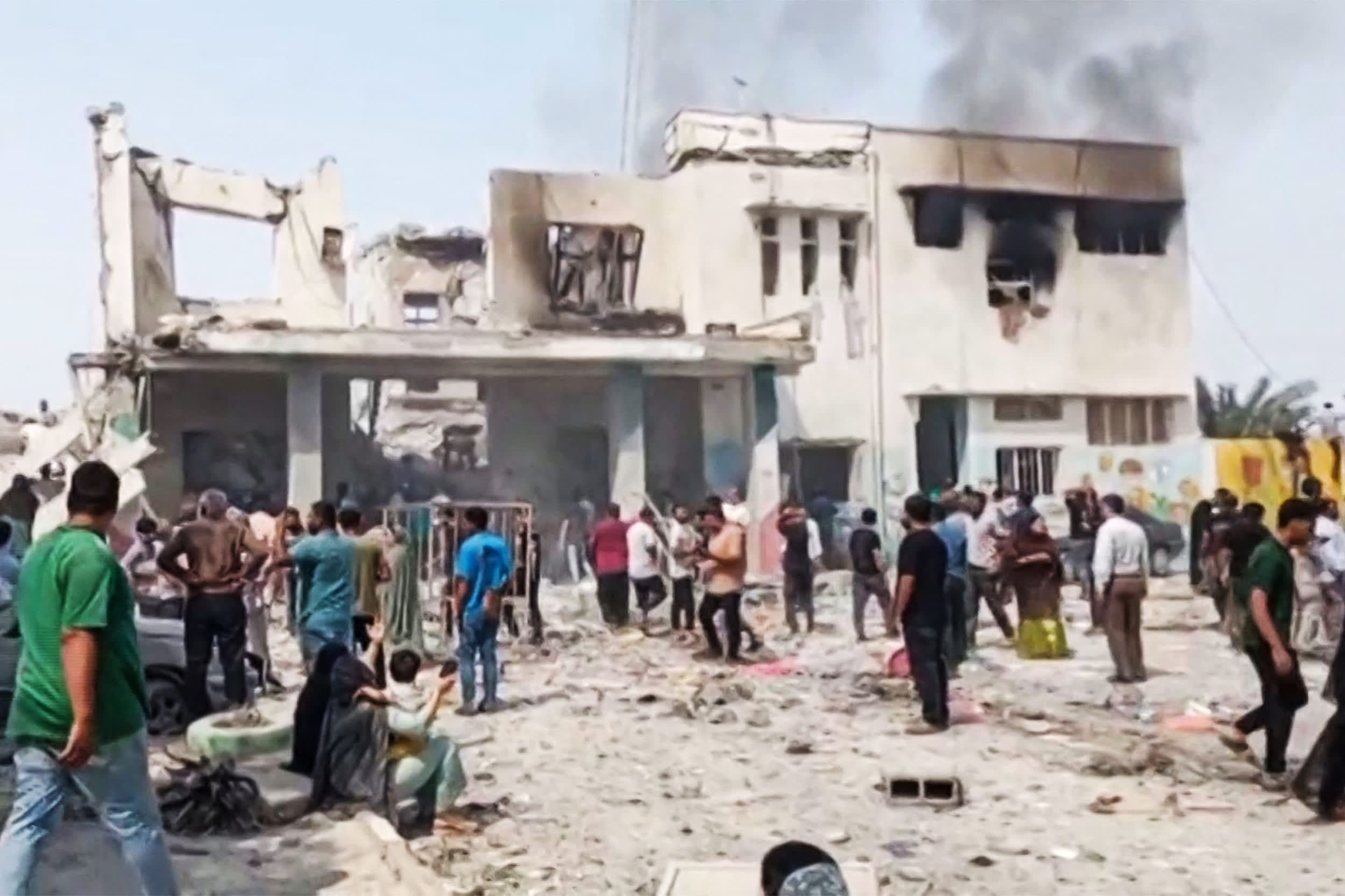
Strategic Coordination Between Washington and Tel Aviv
According to reports from Israeli media, the U.S. provided significant intelligence support to Israel, which has long been at the forefront of efforts to counter Iran’s military developments. This operation marks a shift toward more direct military coordination between the two nations, signaling that Israel’s security concerns regarding Iran’s missile development have now become a shared priority for both countries.
U.S. officials have confirmed that the attack was conducted with Israel’s participation, though some details about specific operations remain classified. This coordinated approach between Washington and Tel Aviv is part of a broader strategy to prevent Iran from achieving a nuclear capability that could dramatically alter the balance of power in the Middle East.
The Aftermath of the Attack
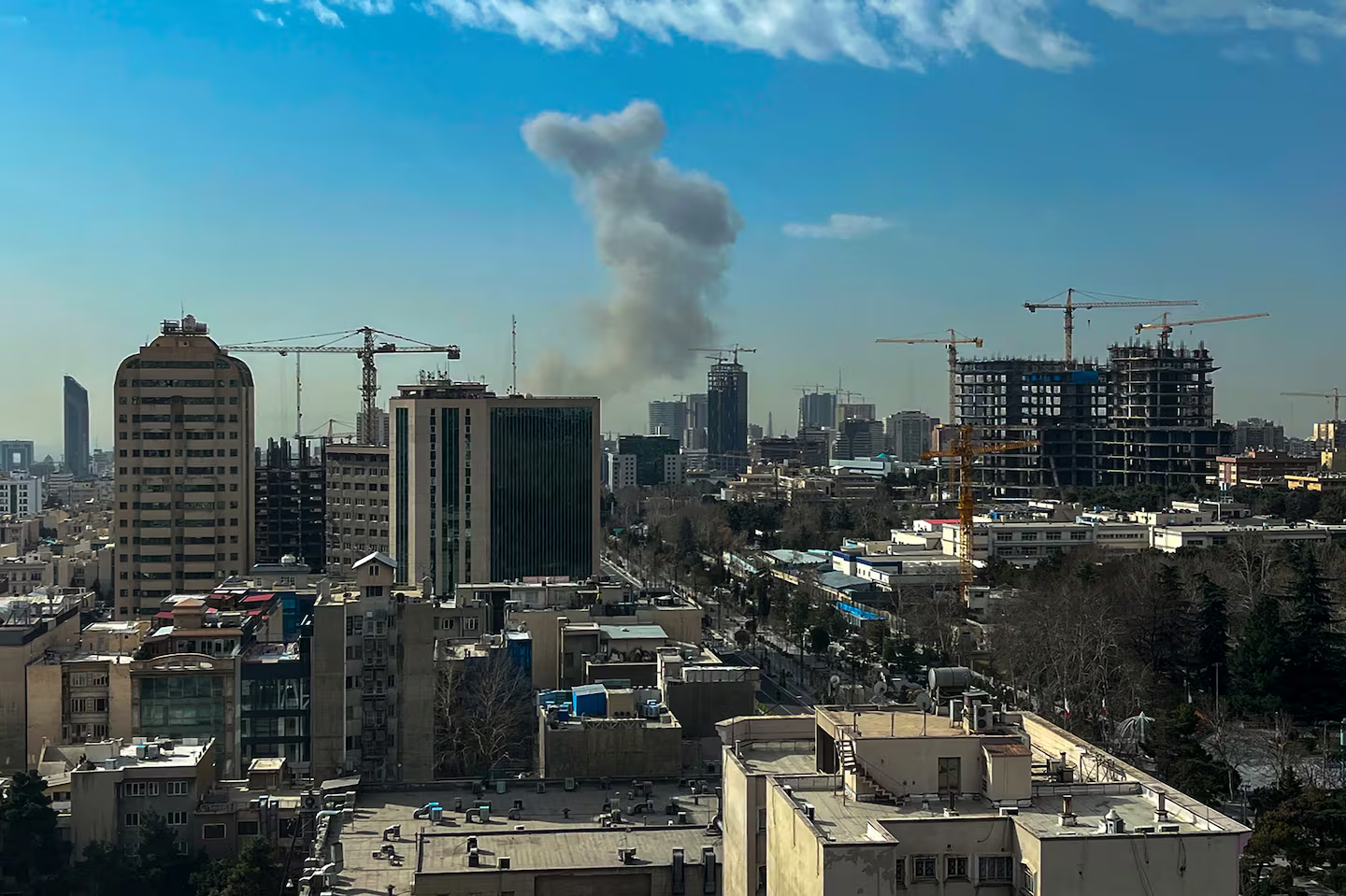
Following the airstrikes, plumes of smoke were visible rising from the southern districts of Tehran, where key military sites are located. Iranian officials have yet to confirm the full extent of the damage, but early reports suggest that several critical infrastructure targets were destroyed or heavily damaged.
While Israel’s defense systems conducted precision strikes, sources indicate that the U.S. military provided extensive satellite surveillance, intelligence gathering, and possibly logistical assistance to ensure the operation’s success. Israeli jets reportedly conducted the majority of the airstrikes, while American drones and surveillance aircraft offered intelligence on real-time missile activity and movement within the targeted sites.
Political and Military Ramifications
The preemptive strike is expected to escalate already high tensions between Israel and Iran, with Tehran likely to respond with military retaliation in the coming days. Iranian officials have repeatedly warned of the severe consequences of such attacks, and many fear that this will set off a wider regional conflict, potentially drawing in other Middle Eastern powers and affecting global oil markets.
In the wake of the strikes, international reactions have varied. European Union diplomats have called for de-escalation and dialogue, urging both Israel and Iran to avoid further military actions. Meanwhile, U.S. officials have expressed support for Israel’s right to defend itself, with President Biden issuing a statement reaffirming America’s commitment to Israeli security.
A Broader Strategy to Counter Iran’s Regional Influence
The timing of the attack comes amid growing concerns about Iran’s influence in Syria, Iraq, and Lebanon, where Iranian-backed militias operate with impunity. In recent months, there have been rising fears in both Washington and Tel Aviv that Iran’s missile capabilities are advancing at an alarming rate, with Tehran reportedly testing longer-range missiles capable of reaching Israel.
The U.S. and Israel have long maintained a shared stance that Iran’s nuclear ambitions and missile program must be curtailed through diplomatic pressure and, if necessary, military action. However, this joint strike suggests a shift toward more direct intervention as both countries prioritize countering Iran’s nuclear and military capabilities.
Iran’s Likely Response and Global Implications
As tensions in the region escalate, Iran is expected to retaliate, possibly through proxy groups in neighboring countries or with direct missile strikes targeting Israel or U.S. assets in the Middle East. Hezbollah, an Iranian-backed militia in Lebanon, and other Iranian proxies have already pledged to defend Iran against any perceived acts of aggression.
The geopolitical ramifications are immense, with regional stability hanging in the balance. Countries like Saudi Arabia, Turkey, and Russia will likely take an active interest in how the situation develops, as it could have far-reaching implications for oil production and trade routes in the Persian Gulf.
As the conflict intensifies, the world watches closely, wondering if this marks the beginning of an all-out regional conflict or if diplomacy can still steer the Middle East back from the brink of war.