Smoke Rises in Southern Tehran After Israeli Attack
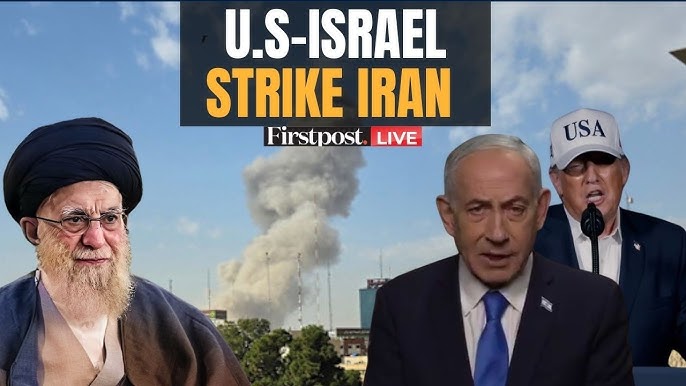
Smoke Rises in Southern Tehran After Israeli Attack
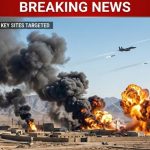
On February 28, a large plume of smoke was seen rising from the southern part of Tehran, the capital of Iran, following an Israeli airstrike on the city. The airstrikes come amid rising tensions between Israel and Iran over Tehran’s nuclear and missile programs.
Confirmation from Iranian State News Channel
IRINN, Iran’s state-run news channel, confirmed that airstrikes had occurred in Tehran after Israel declared a preemptive strike against Iranian targets. Initial reports indicated that the airstrikes caused explosions and tremors in several areas of southern Tehran, which are known to house significant military infrastructure for Iran.
Reason and Impact of the Attack
Israel announced that the airstrike was part of its defensive strategy to counter the threat posed by Iran’s missile and nuclear programs. Israel believes that Iran is developing nuclear weapons and long-range missiles that could pose a direct threat to Israel’s national security. In recent years, Iran has also expanded its influence in Syria, Iraq, and Yemen, where Iranian-backed militias operate.
The airstrike seems to have specifically targeted missile sites and military assets that Israel considers a direct threat. The explosions and smoke rising from the southern districts of Tehran confirm the seriousness of the strike.
Iran’s Expected Response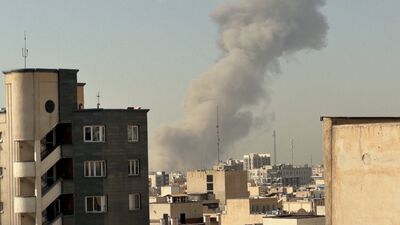
Although no official reports of casualties have been released, it is expected that Iran will strongly respond to the attack. Iranian officials are likely to issue threats of retaliation, and it is possible that missile strikes could be launched against Israel or U.S. assets in the region. The airstrikes could also lead to proxy attacks in countries like Syria, Iraq, or Lebanon, where Iran has significant military influence.
Regional and International Implications
This airstrike marks a major escalation in the ongoing confrontation between Israel and Iran. As both countries prepare for potential retaliatory actions, the situation could destabilize the broader Middle East. Countries supporting Iran, including Syria and Hezbollah in Lebanon, may get involved, further intensifying the regional conflict.
The global community will also be watching closely to see how the U.S., Europe, and other world powers respond. Given Israel’s alliance with the U.S., Washington is unlikely to criticize the strike, but international calls for de-escalation and renewed diplomacy are expected.
Conclusion: A New Phase in the Israel-Iran Standoff
The Israeli airstrike on Tehran represents a significant shift in the Israel-Iran standoff. With Iran’s missile programs and nuclear ambitions being a major security concern for Israel, it’s likely that Israel will continue its aggressive tactics to neutralize these threats.
However, this attack is just the beginning, and as tensions mount, the potential for further military confrontations remains high. Whether diplomatic efforts will succeed or whether the region will descend into a larger war remains to be seen.