Kremlin denies killing Alexei Navalny with dart frog poison
The death of Alexei Navalny, a leading critic of the Kremlin, has triggered international reactions and intensified scrutiny of the Russian government. Authorities have firmly denied allegations that Navalny was killed using a rare toxin, sometimes described in media reports as “dart frog poison.”
Navalny, known for his anti-corruption campaigns and vocal opposition to Vladimir Putin, had previously survived a poisoning incident in 2020 involving a nerve agent. After recovering abroad, he returned to Russia, where he was subsequently imprisoned.

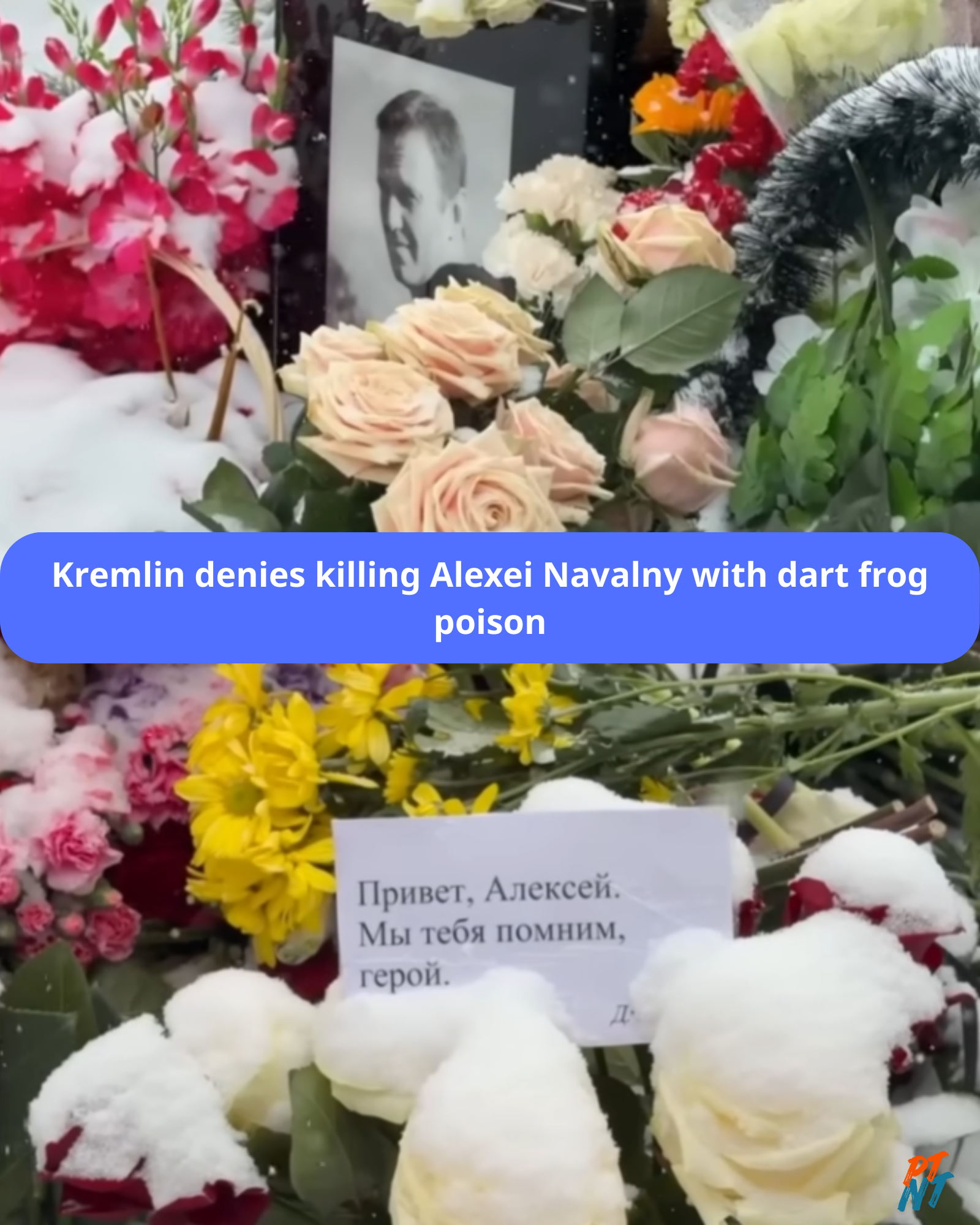
Following news of his death, tributes and memorials have appeared in several countries, reflecting his influence as a symbol of political resistance. Supporters have called for transparency, while critics of the Russian government have raised concerns about the circumstances surrounding his passing.
The Kremlin has dismissed accusations of involvement, stating there is no evidence to support claims of poisoning or assassination. Russian officials have urged against what they describe as premature conclusions and politicization of the incident.
Meanwhile, international leaders and human rights organizations are calling for an independent investigation to determine the exact cause of death. The case has further strained relations between Russia and Western nations, many of which have previously imposed sanctions over human rights concerns.
Navalny’s death marks a significant moment in Russian politics, removing one of the most visible opposition figures. Analysts suggest it may have lasting implications for dissent within the country, as well as for Russia’s global standing.
As investigations and debates continue, the situation underscores broader concerns about political freedoms, rule of law, and accountability in modern Russia.