Iranian Fast Boats Trapped a U.S. Warship — The Counterstrike Was Immediate..hl
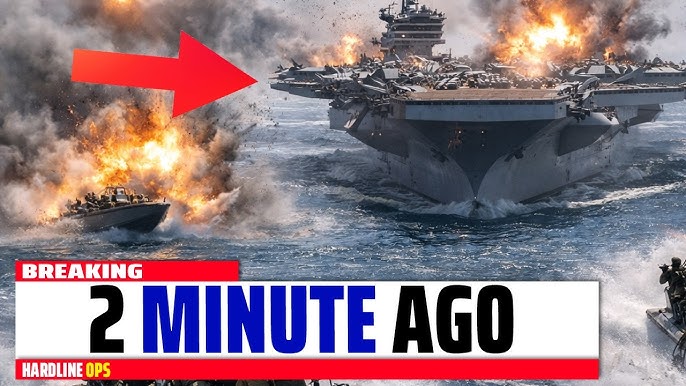
BREAKING ANALYSIS: “Iranian Fast Boats Trapped a U.S. Warship — The Counterstrike Was Immediate”
A headline with those exact words is racing across YouTube and X tonight, shared as if it describes a live naval clash in the Persian Gulf. The claim: swarms of Iranian Revolutionary Guard fast boats “trapped” a U.S. warship in narrow waters, forcing Washington to unleash an immediate, devastating counterstrike.
Here is what is verifiably true right now: no reputable source – not the Pentagon, U.S. Central Command, major international news agencies, or Iranian state media – is reporting any such incident. There are no emergency briefings, no oil‑market shock, no allied statements that would inevitably follow a direct naval exchange of that scale.
What is real is the pattern this headline exploits. For years, IRGC fast boats have harassed U.S. and allied ships in the Gulf: high‑speed approaches, dangerous crossings of bows, sometimes warning shots in response. In 2016, two small U.S. riverine boats were briefly detained after straying into Iranian waters, a crisis defused by intense diplomacy – not a firestorm.
Analysts warn that turning every tense encounter into a viral “trapped warship” narrative can be dangerous in itself. Sensational, unsourced stories harden public opinion, narrow diplomatic options and make real incidents harder to de‑escalate when they do occur.
For now, the story isn’t a confirmed battle at sea, but a familiar information war: how a single explosive line about “fast boats” and an “immediate counterstrike” can overshadow facts, stoke fear and push two long‑time adversaries closer to the brink in people’s minds – even when the shooting hasn’t started.