Law Enforcement Leaders Confront Fentanyl Crisis and Border Trafficking in Regional Roundtable
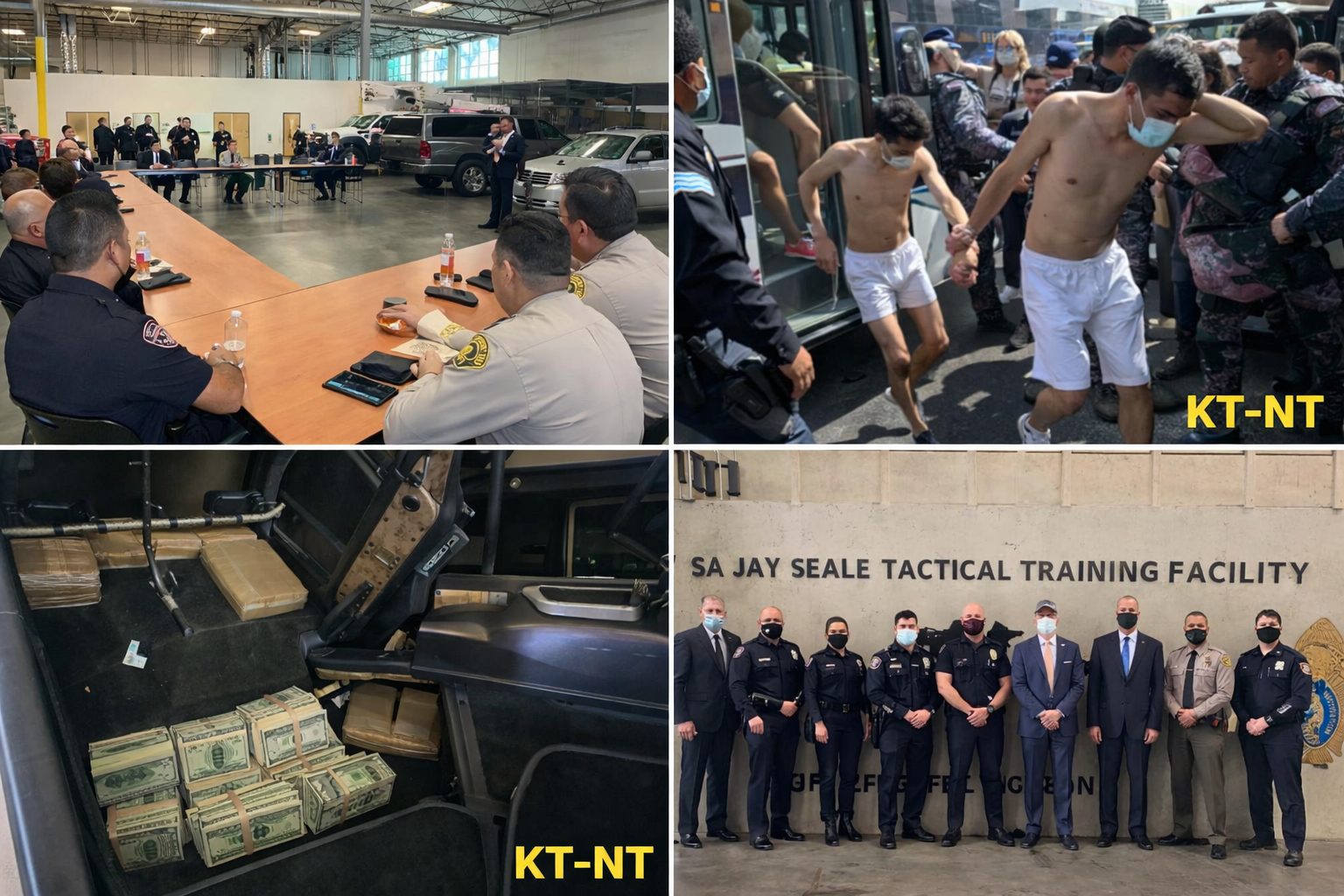
Acting DEA Administrator Timothy J. Shea and a coalition of local Police Chiefs have concluded a critical roundtable discussion aimed at synchronizing the response to drug crimes and the alarming rise in fentanyl-related overdose deaths. The meeting focused on the direct link between transnational trafficking routes and the escalating public health crisis within local jurisdictions.
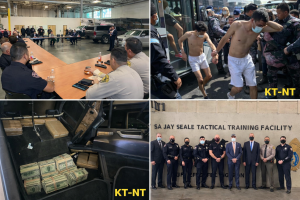
Confronting the Fentanyl Epidemic
Central to the discussion was the unprecedented lethality of fentanyl, which has become the leading driver of overdose deaths nationwide. The roundtable highlighted how synthetic opioids are now being mass-produced by foreign cartels and funneled into communities with a “corporate-level” distribution strategy.
Police Chiefs from several jurisdictions shared harrowing data on the toll these substances have taken on their neighborhoods:
-
Rising Overdose Rates: Jurisdictions reported a sharp increase in fatal ingestions, often involving individuals unaware that “counterfeit pills” contained lethal doses of fentanyl.
-
Impact on First Responders: The roundtable addressed the strain on emergency services and the vital role of Narcan distribution in saving lives on the front lines.

The Border-to-Community Pipeline
Administrator Shea emphasized that local drug crimes cannot be viewed in isolation from the activity at the southwest border. The discussion mapped the “supply chain of destruction” that moves narcotics from international manufacturers through border entry points and directly into regional hubs.
“What happens at the border doesn’t stay at the border,” one official noted. The roundtable explored how cartel-linked networks utilize local couriers and stash houses to flood communities with methamphetamine and fentanyl, fueling violent crime and financial instability.

A Strategy of Unified Enforcement
The leaders reached a consensus on several key strategic priorities:
-
Intelligence Sharing: Strengthening the real-time exchange of data between federal agencies and local police to identify and dismantle trafficking cells more rapidly.
-
Targeting Violent Offense: Focusing resources on drug trafficking organizations that utilize firearms and violence to enforce their trade.
-
Public Awareness: Launching expanded education campaigns to warn citizens—particularly youth—about the dangers of fake prescription pills.

Commitment to the Rule of Law
Administrator Shea reaffirmed the DEA’s commitment to supporting local departments through specialized task forces and technical assistance. By treating the drug trade as a national security threat, authorities aim to sever the financial lifelines of the organizations profiting from addiction.

The roundtable concluded with a unified message: the fight against fentanyl requires a “total force” approach, combining aggressive interdiction at the border with robust enforcement and community support at the local level.