DEA Los Angeles Joins Forces to Support Federal Immigration Enforcement Operations
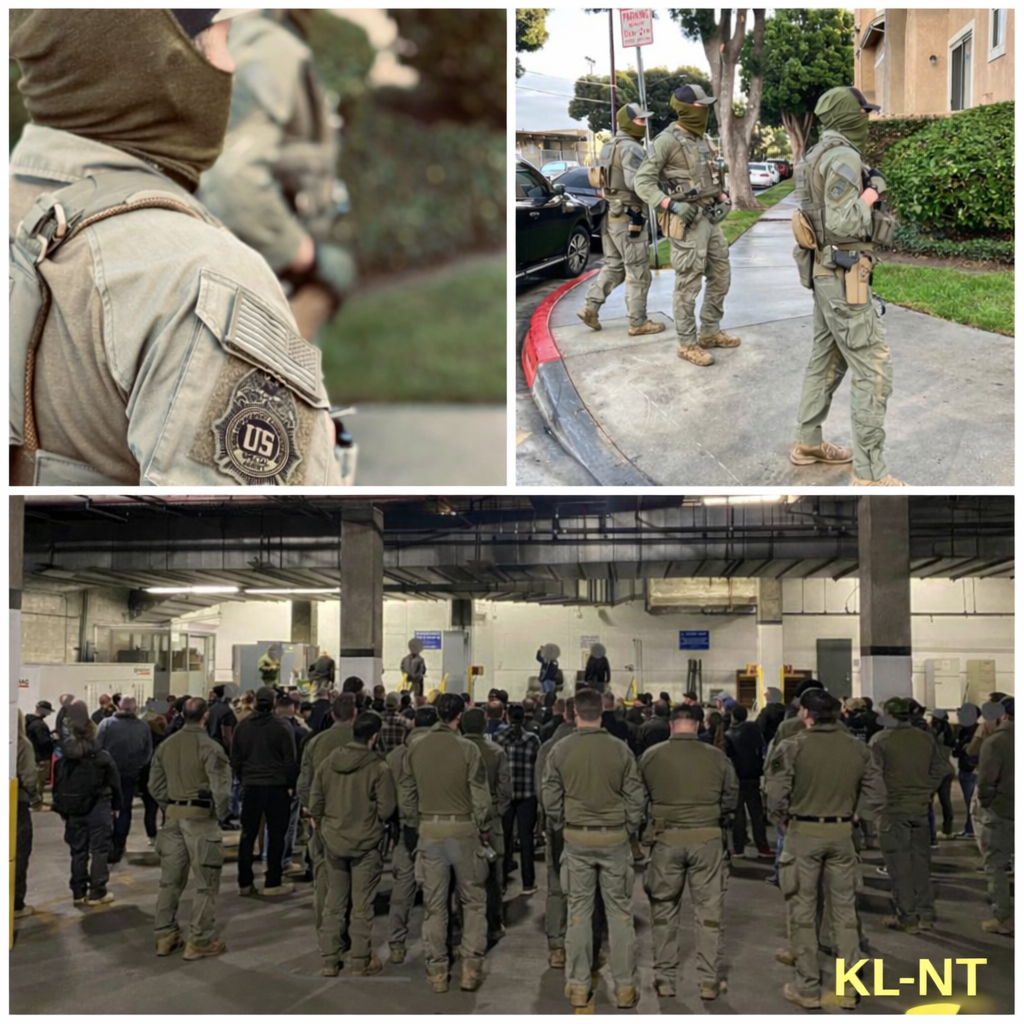
In a recent statement from Los Angeles, Matthew Allen, Special Agent in Charge of the DEA Los Angeles Field Division, confirmed that the Drug Enforcement Administration is actively coordinating with Department of Justice (DOJ) partners to support the Department of Homeland Security (DHS) in its immigration enforcement efforts.
Unprecedented Inter-Agency Coordination
SAC Matthew Allen emphasized that the DEA’s involvement is fundamentally rooted in its core mission: protecting national security and the community. According to federal sources, this collaboration is part of a “total force” strategy. DEA agents are acting as technical and security support assets, helping units from DHS and U.S. Immigration and Customs Enforcement (ICE) execute field missions with greater precision and safety.
The mobilization of the DEA alongside DOJ partners such as the FBI and ATF for immigration-related tasks marks a significant shift in federal strategy for 2026. These agents often serve as “force multipliers,” assisting with perimeter security, data processing, and providing critical intelligence in high-intensity areas.
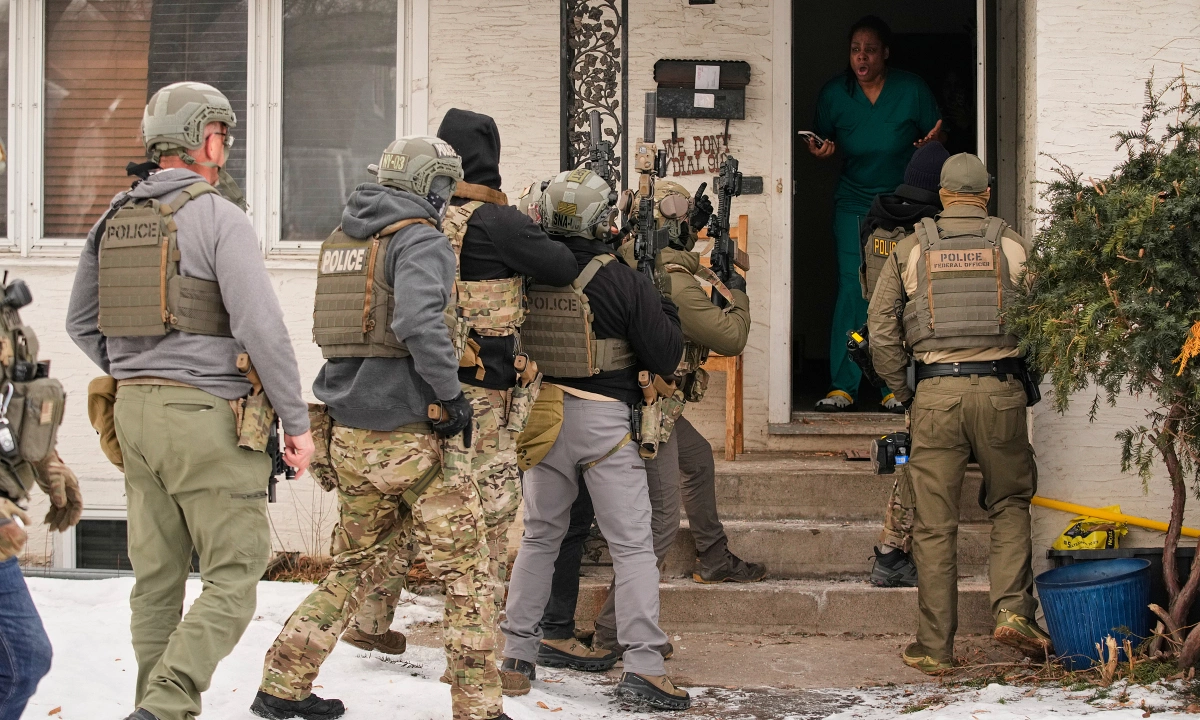
The Link Between Narcotics and Illegal Migration
In previous statements, SAC Allen pointed to the inseparable link between drug cartels and the border crisis. He noted that transnational criminal organizations are “weaponizing the chaos,” utilizing migration routes to transport not only people but also fentanyl and illicit firearms.
This coordinated campaign focuses on several key objectives:
-
Dismantling Criminal Infrastructure: Targeting businesses or warehouses used by cartels as “stash houses” for both undocumented individuals and illegal narcotics.
-
Increasing Legal Accountability: Ensuring that individuals in violation of immigration laws who are also linked to violent crime or drug trafficking face the most severe legal sanctions.
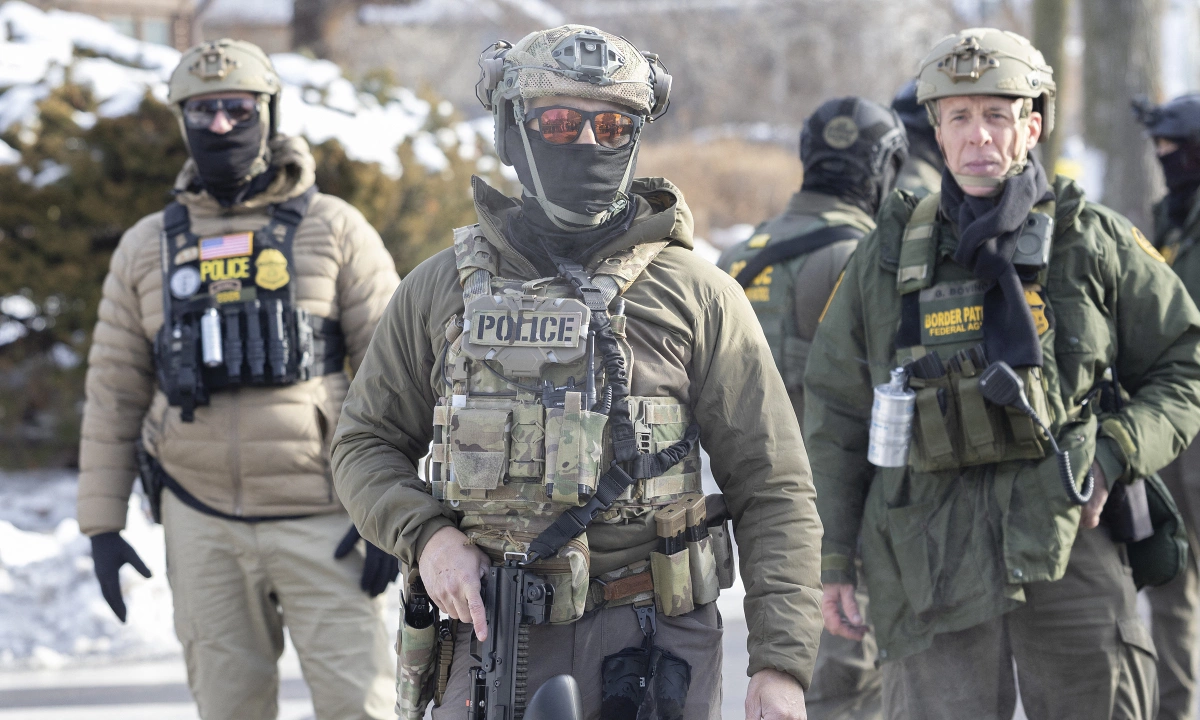
Commitment to Community Security
While the use of anti-drug agents for immigration purposes has sparked discussion regarding resource allocation, Allen maintained that the DEA’s role is “targeted and vital.” The ultimate goal is to paralyze the operational capacity of criminal networks that directly threaten the lives of Los Angeles residents.
“When our law enforcement organizations are not divided, the cartels have nowhere left to hide,” a federal representative shared. The DEA’s presence on the ground serves not only to execute warrants but to demonstrate a unified government front in restoring order and the rule of law.
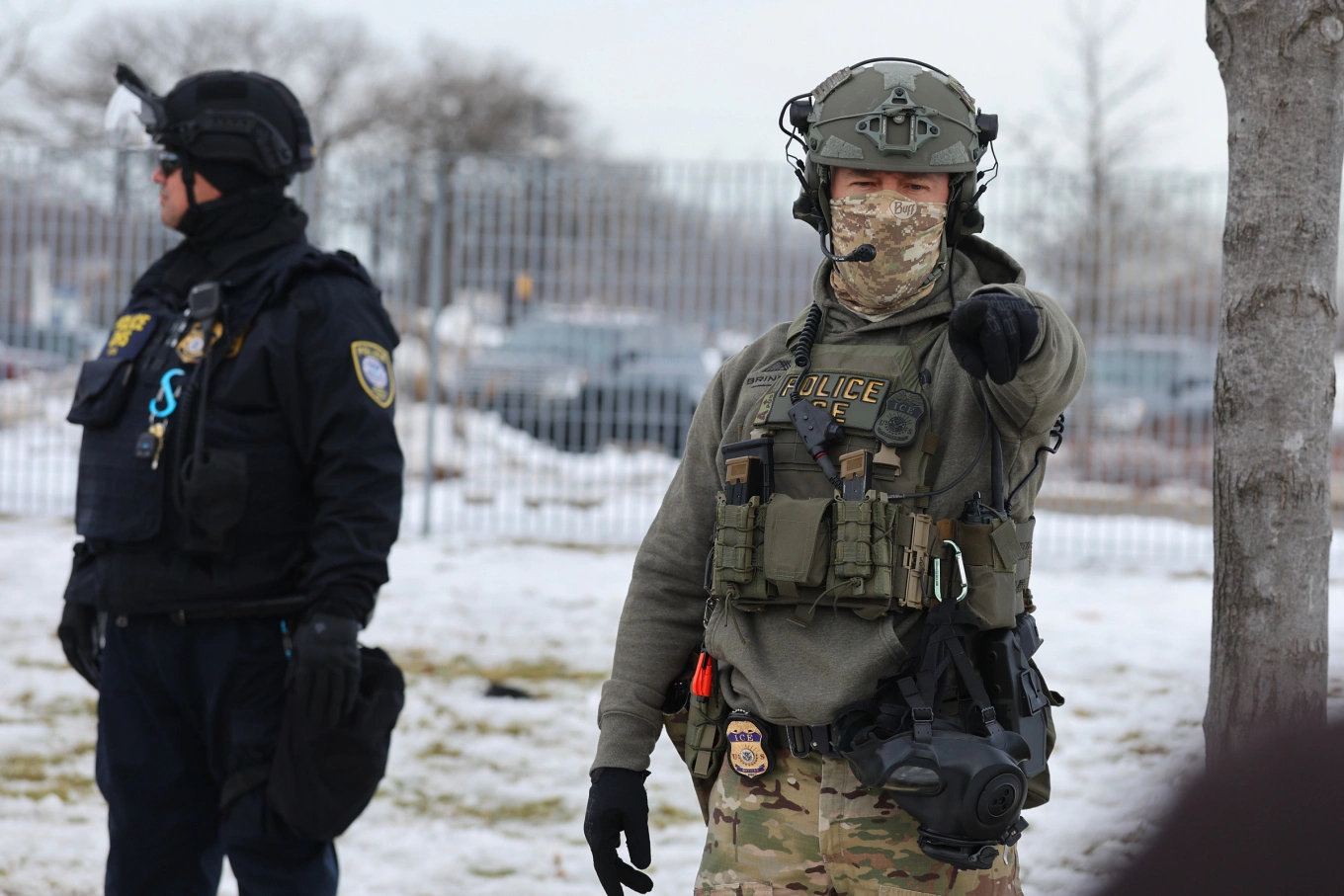
Current Situation
Coordinated activities in Los Angeles remain highly active, with enforcement teams conducting consecutive sweeps and inspections in key priority zones. The Department of Justice is expected to release a detailed report soon regarding the number of arrests and the volume of contraband seized during this high-intensity coordination phase.