Jake Lang Faces Felony Charge for Vandalizing Anti-ICE Sculpture Amid Claims of Political Bias
- LongVo
- February 17, 2026
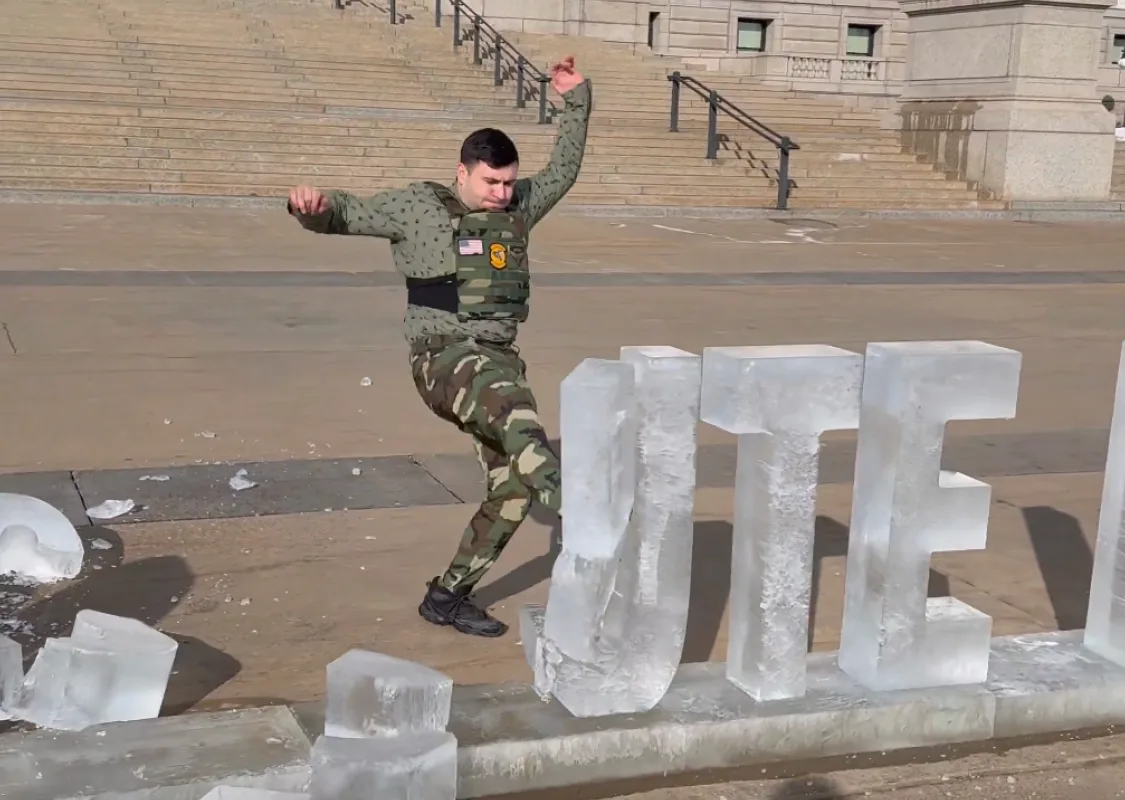
Jake Lang Faces Felony Charge for Vandalizing Anti-ICE Sculpture Amid Claims of Political Bias
Jake Lang, a controversial figure known for his involvement in the January 6th Capitol riot and his subsequent pardon, has found himself in legal trouble once again. The self-described “political prisoner” and Florida U.S. Senate candidate now faces felony charges that could land him behind bars for 1-5 years. His alleged crime? Kicking over a $6,000 ice sculpture emblazoned with the message “Prosecute ICE” at the Minnesota State Capitol on February 5, 2026.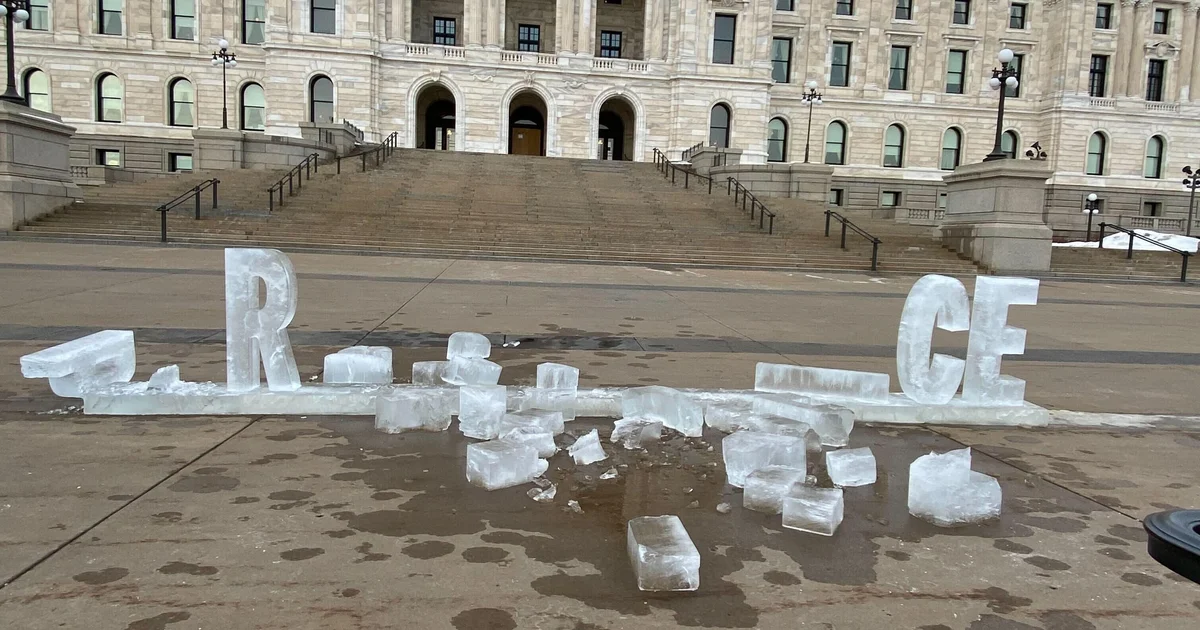
Lang, who has been vocal about his stance on conservative issues, posted an outraged tweet following the charges: “The State Minnesota & Tim Walz’s CORRUPT MINNESOTA DOJ has officially CHARGED me with a 5 YEAR FELONY!!!” He went on to describe the charge as part of a larger pattern of selective prosecution, claiming that left-wing vandals responsible for other high-profile incidents, such as the tearing down of statues, faced no serious consequences. “What jail time did ANTIFA THUGS who ripped down COLUMBUS STATUE IN MINNESOTA GET? NONE—JUST COMMUNITY SERVICE!!!” he tweeted.
Lang, referring to the vandalized sculpture as an act of leftist “propaganda,” framed the incident as part of a wider “two-tiered persecution” against conservatives, suggesting that he’s being unfairly targeted while leftist activists seemingly face little to no legal consequences for similar acts of vandalism. “In a proper society, the first man to knock down that ABOMINATION of anti-law enforcement propaganda would get an award for civic duty,” he wrote.
The sculpture Lang knocked over, which had been created to promote anti-ICE sentiment, was part of a broader wave of activism against U.S. Immigration and Customs Enforcement (ICE). Lang’s actions have sparked further debate on the perceived inequities in the U.S. justice system, with many conservatives arguing that selective enforcement is a growing issue, while some critics point to the sculpture as a legitimate form of protest against what they see as unjust practices by ICE.
Lang’s charges, however, are bringing more attention to the debate about the intersection of free speech, protest, and the rule of law, particularly in a politically charged climate where accusations of double standards are rampant. The outcome of his case could have implications for how future legal actions against activists on both sides of the political spectrum are handled.