Controversy Surrounds Alleged DNA Study Linked to Moses as 2026 Claims Resurface
Controversy Surrounds Alleged DNA Study Linked to Moses as 2026 Claims Resurface
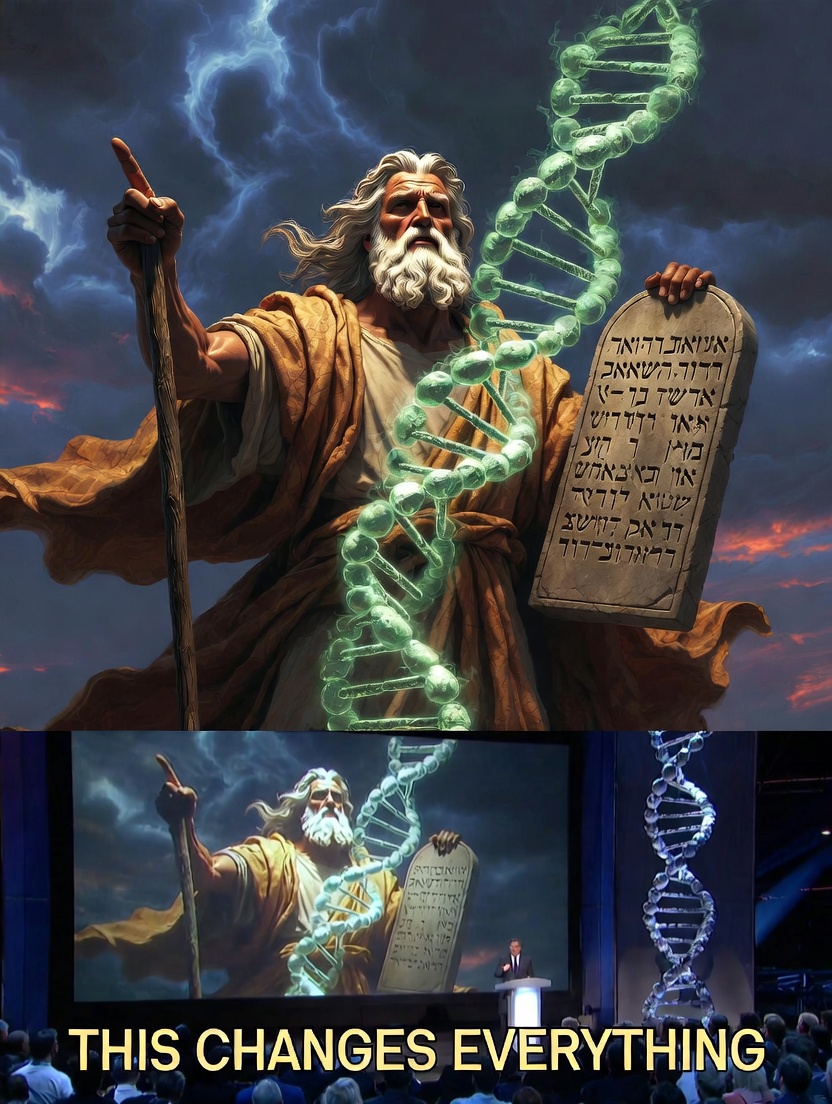
A wave of online speculation has reignited debate over an alleged DNA discovery said to be connected to Moses. Viral posts claim that researchers once uncovered genetic evidence tied to the ancient biblical figure, only for the findings to be swiftly revised, altered, or quietly removed from public view due to their supposedly “disturbing” implications. Now, in 2026, those claims are resurfacing with renewed intensity, accompanied by dramatic assertions that the “full truth” is finally coming to light.
However, there is no verified scientific record confirming the existence of recoverable DNA belonging to Moses, a figure traditionally dated to the 13th century BCE. Unlike later historical individuals whose remains have been preserved and studied, Moses’ burial site has never been definitively identified, and mainstream archaeology does not possess authenticated biological material attributed to him.

Experts note that extraordinary claims require extraordinary evidence. In the absence of peer-reviewed publications, documented laboratory analysis, or credible archaeological sourcing, assertions about revised or concealed DNA reports remain unsubstantiated. Scholars emphasize that ancient DNA research is a highly regulated and transparent field, typically subject to international review and academic scrutiny.
The resurgence of the story in 2026 appears driven largely by social media amplification rather than newly released scientific data. While the narrative raises intriguing questions about faith, history, and science, no authoritative institution has confirmed the existence of suppressed findings.
For now, the so-called revelation remains a topic of speculation rather than established fact, highlighting how quickly sensational claims can spread in the digital age.