Titanic: The Myth of the “Found” Camera and the Ethics of AI
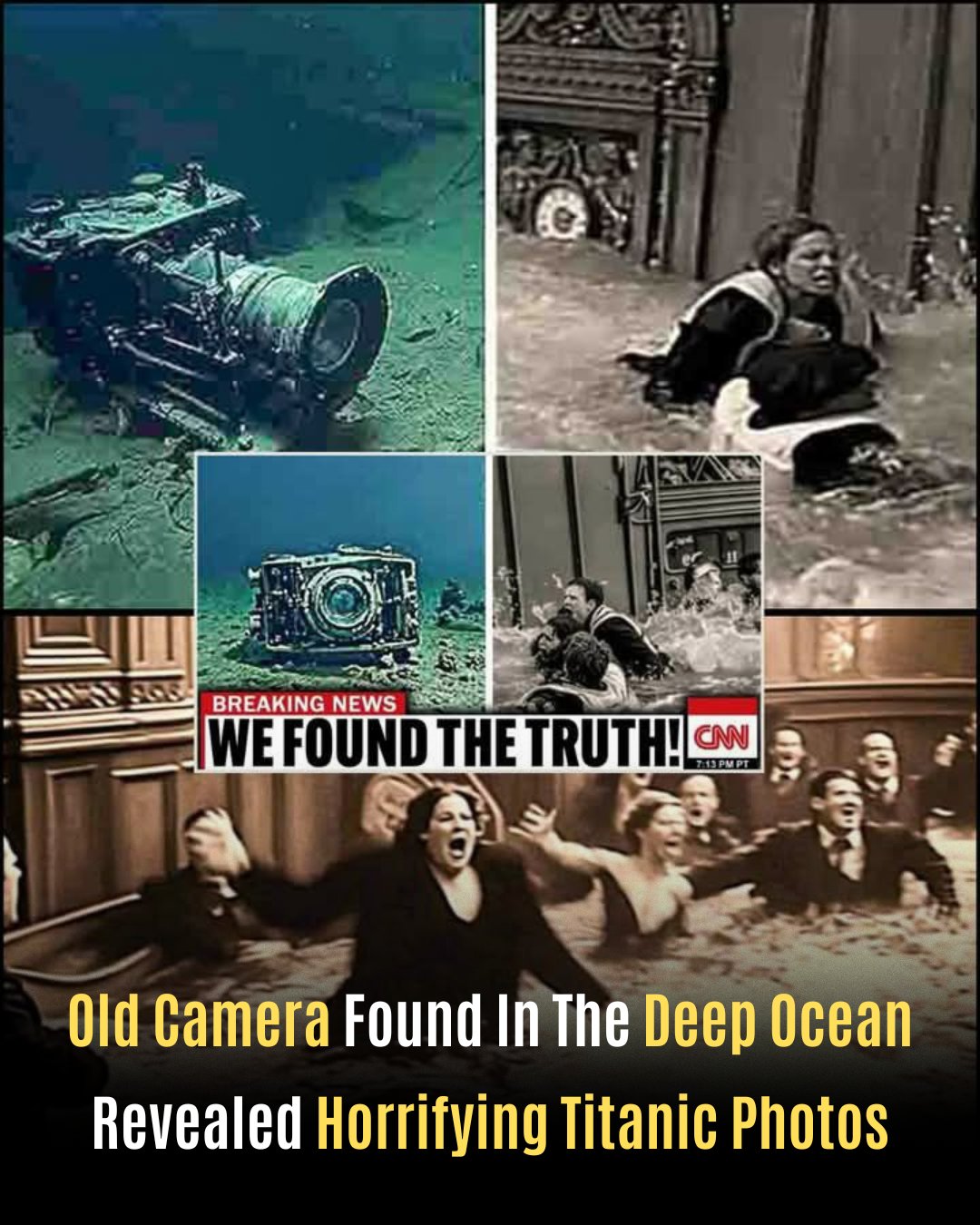
A “Breaking News” graphic featuring CNN’s logo has recently flooded social media, claiming that an “old camera” found in the deep ocean has revealed horrifying, never-before-seen photos of the Titanic’s final moments. The images show panicked passengers submerged in water inside the ship’s grand rooms, captured with a clarity that seems impossible for a 1912 device. To many, it looks like the ultimate “truth” has finally surfaced from the abyss.
However, digital forensic experts have quickly debunked these images as AI-generated fabrications. Cameras from 1912 used glass plates or film that would never have survived a century in the corrosive, high-pressure environment of the North Atlantic. Furthermore, the “people” in the photos often have the distorted features typical of current AI models. The CNN branding is also a common tactic used to give “clickbait” a veneer of legitimacy.

This phenomenon highlights a growing ethical crisis in how we consume history. When AI can generate realistic “photos” of tragedies, it risks blurring the line between historical record and exploitative entertainment. Using the deaths of over 1,500 people to generate “horrifying” viral content is seen by many as a deep violation of the dignity of the victims and their descendants.

The Titanic remains a sacred site—a maritime memorial. While we continue to explore the wreck with ROVs, the “truth” of the sinking is found in the testimony of survivors and the silent debris field, not in manufactured images designed for social media engagement. In the age of AI, our responsibility is to protect the integrity of the past from the distortions of the present.