The Line: Visionary Future or Desert Nightmare?
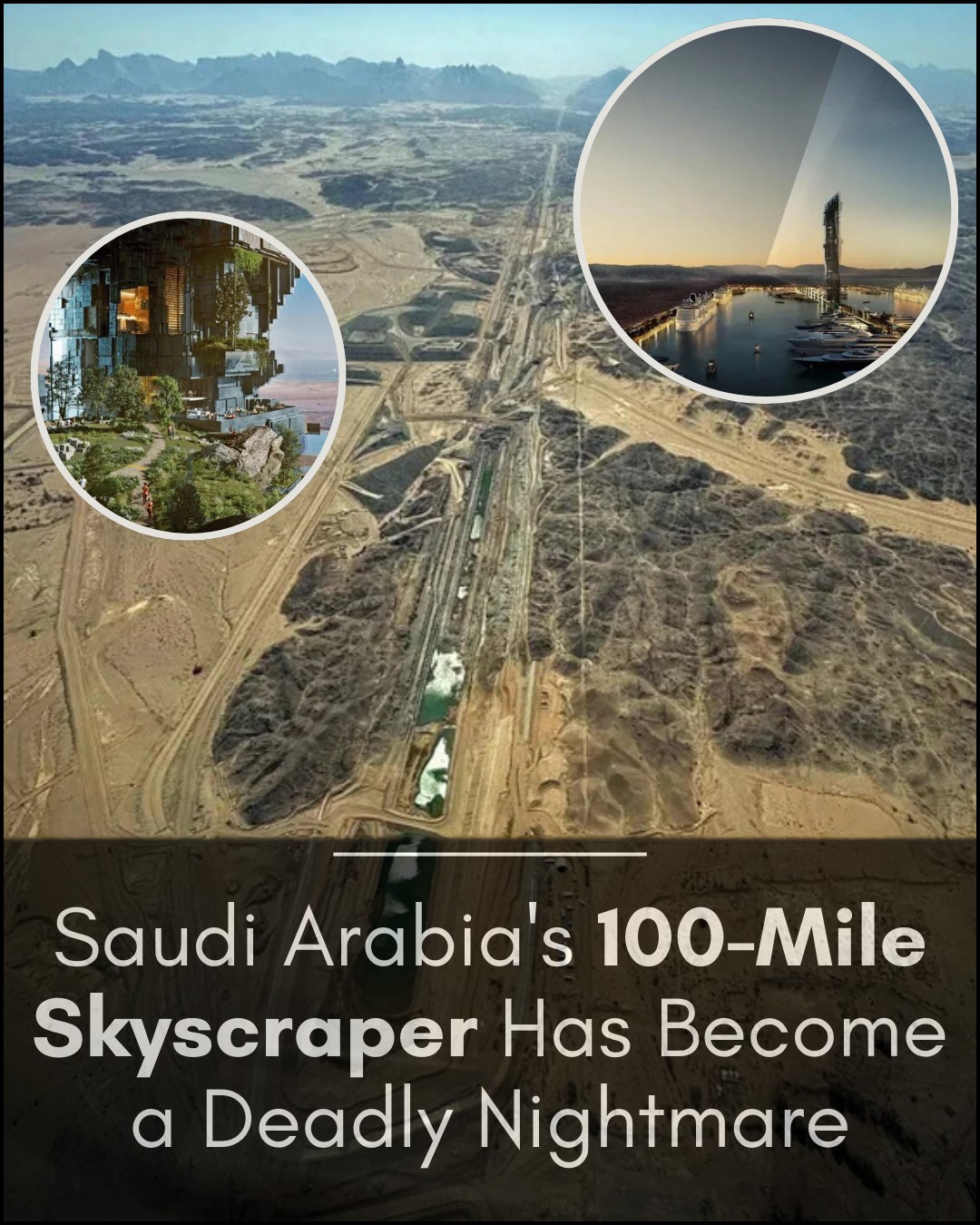
Saudi Arabia’s ambitious “NEOM” project, specifically the 100-mile-long skyscraper known as The Line, was pitched as a futuristic utopia—a carbon-neutral city without cars or streets. However, as construction progresses, the dream is increasingly described as a “deadly nightmare.” Aerial footage shows a massive scar cutting through the desert, raising urgent questions about human rights, ecological impact, and the sheer feasibility of such a colossal structure.
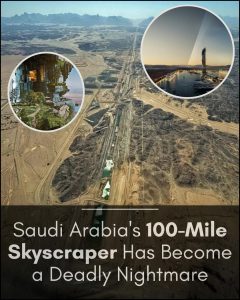
Environmentalists warn that the mirrored walls of the mega-city will act as a deadly barrier for migratory birds and local wildlife, disrupting ecosystems that have existed for millennia. Furthermore, the immense resources required to build a 170-kilometer mirrored wall are staggering. Critics argue that the “sustainability” of the project is a marketing facade for a project that is inherently destructive to the natural desert environment.
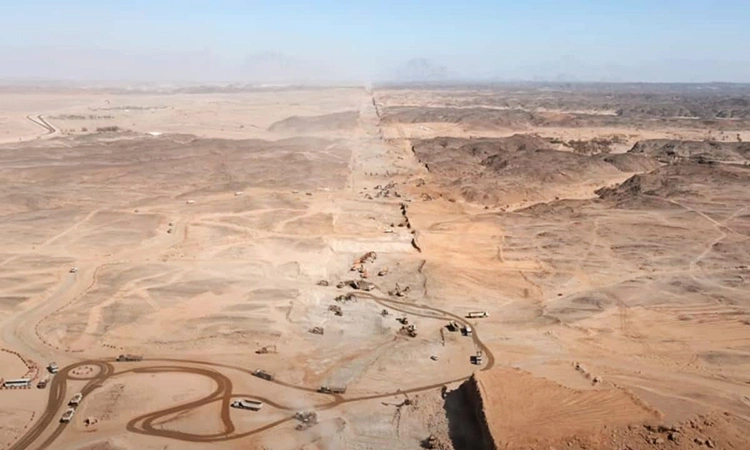
Beyond the ecological concerns, reports from human rights organizations have highlighted the displacement of indigenous tribes who have called the Tabuk province home for centuries. The forced relocation of these communities has led to international condemnation, casting a dark shadow over the project’s “human-centric” goals. For many, The Line has become a symbol of authoritarian overreach disguised as innovation.

As the mirrors rise in the desert heat, the world is watching to see if The Line will be a monument to human ingenuity or a cautionary tale of hubris. Is it a blueprint for the cities of the future, or a “death trap” for the environment and the people who stood in its way? The reality of the project is currently a far cry from the glossy CGI renders that first captivated the world.